
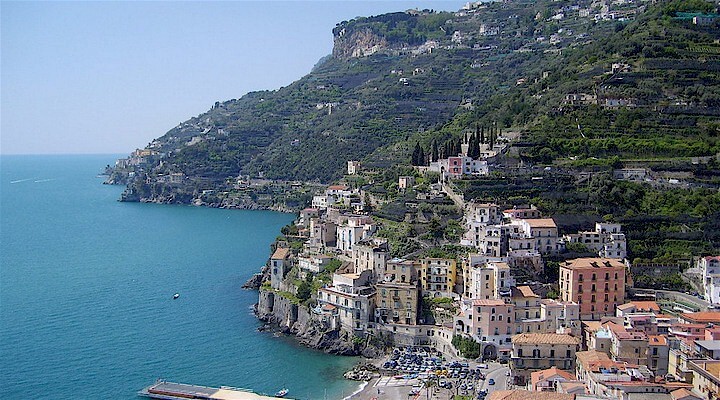
 Amalfi Coast
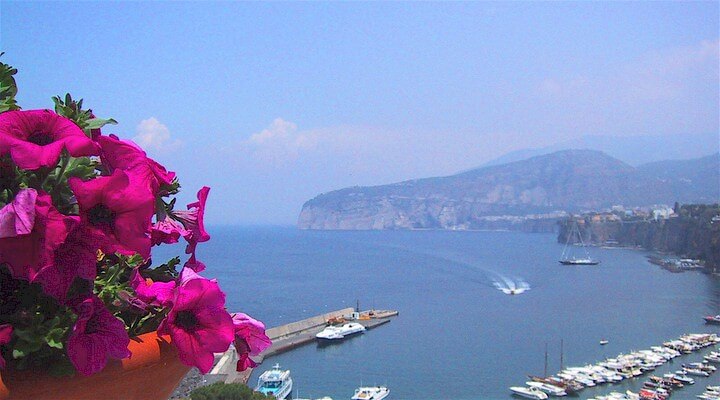 Sorrento Coast
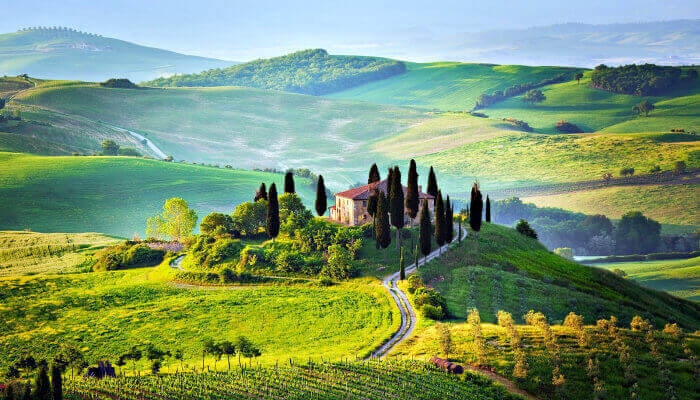 Tuscany
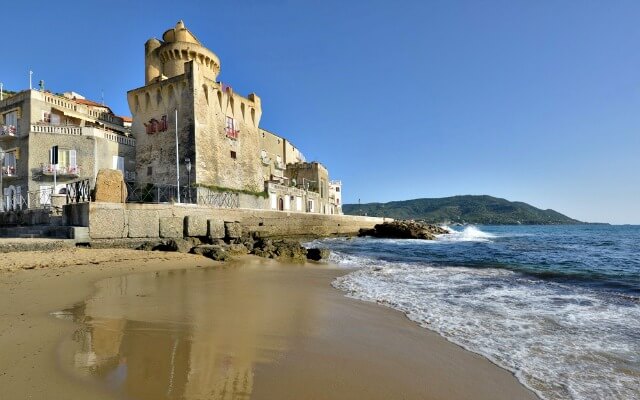 Cilento National Park
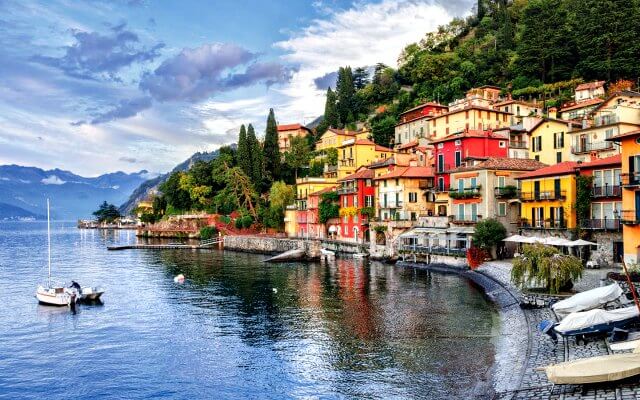 Lake Como
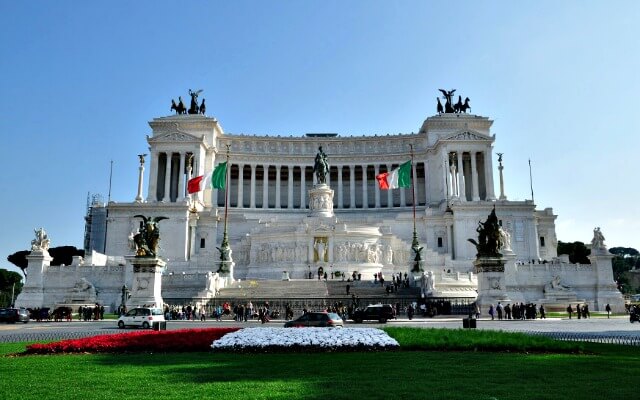 Rome and Latium
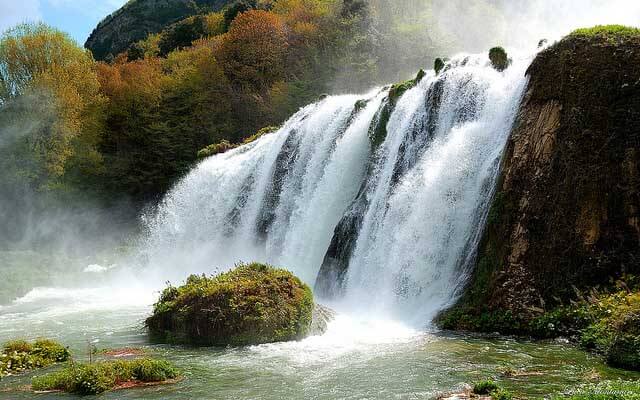 Umbria
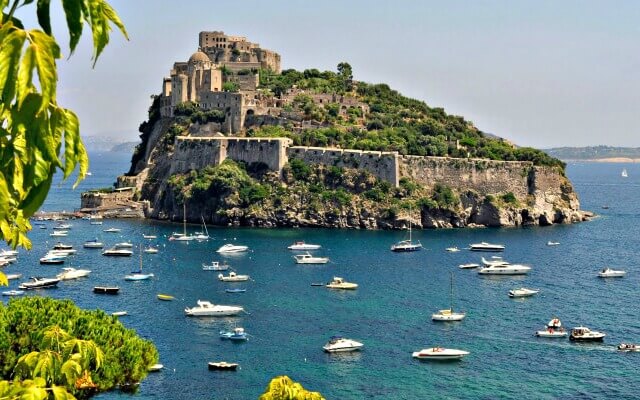 Capri and Ischia
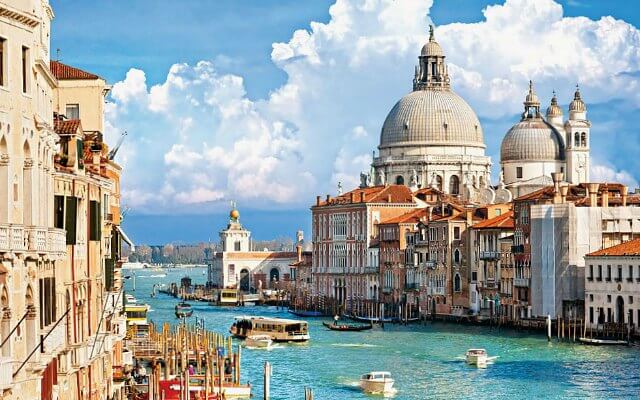 Venice
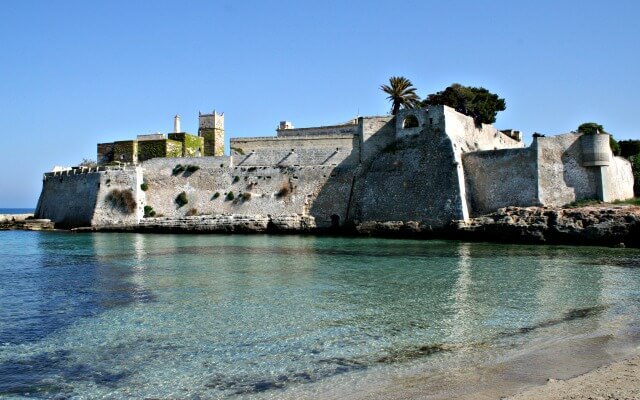 Puglia (Apulia)
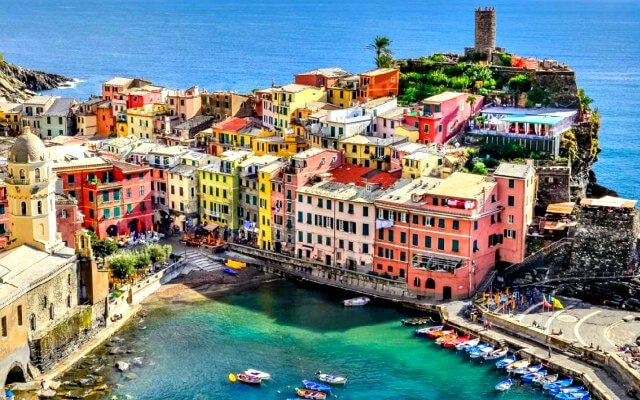 Liguria
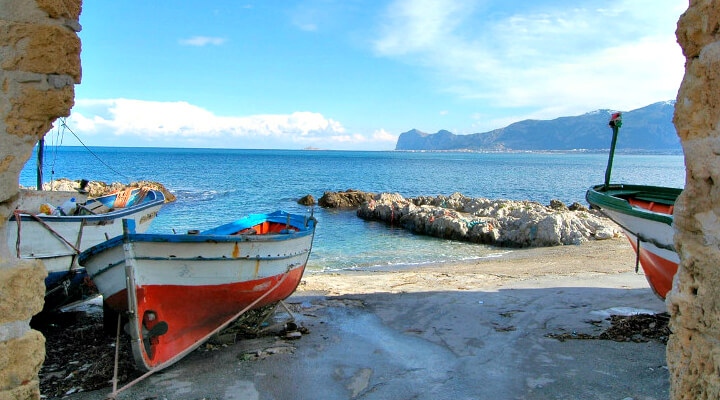 Sicily
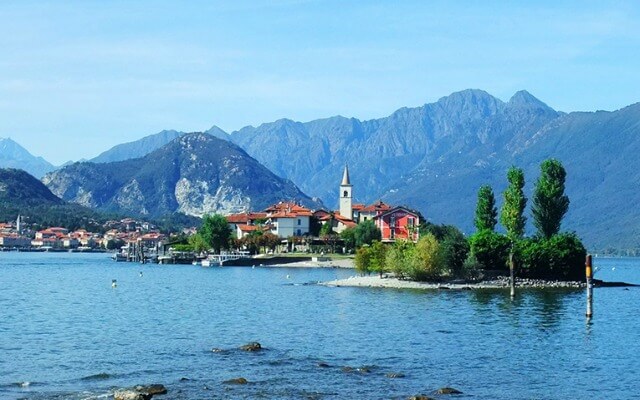 Lake Maggiore
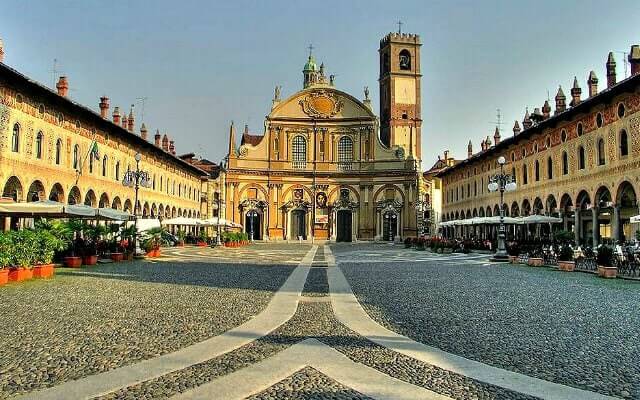 Lombardy
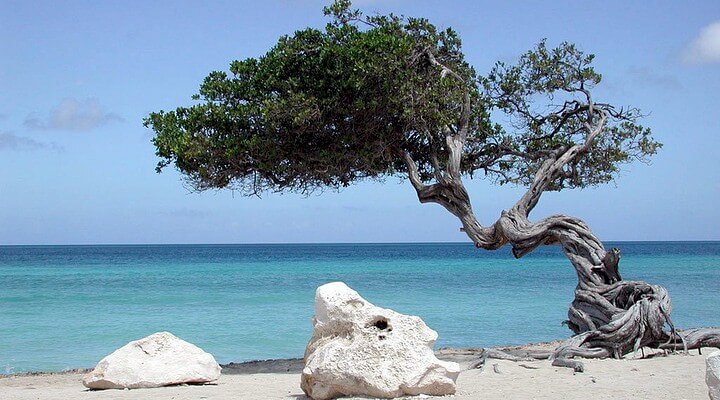 Sardinia
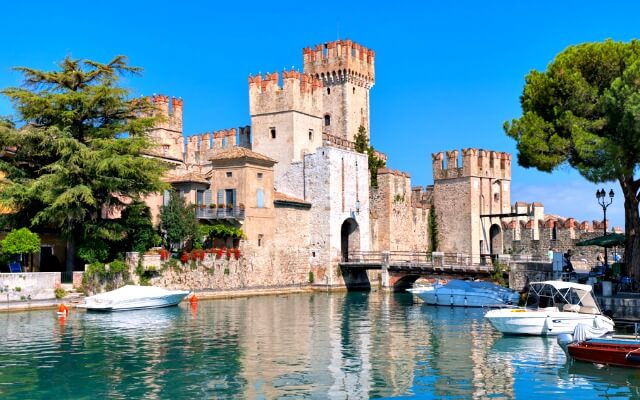 Lake Garda
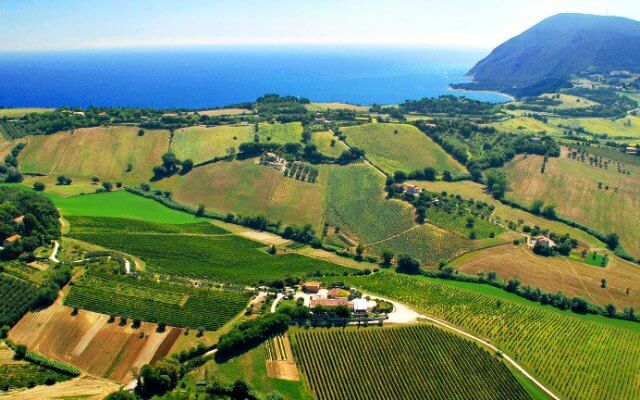 Abruzzo and Marche
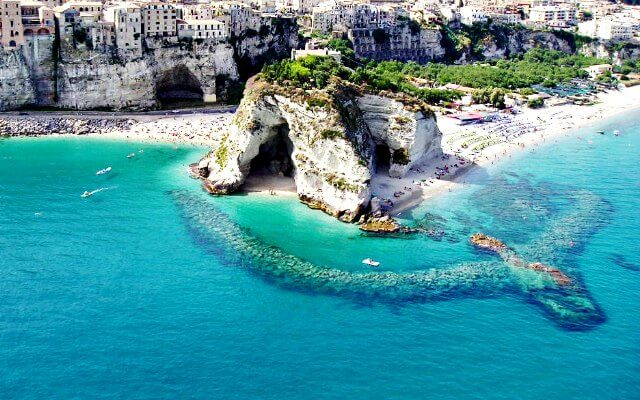 Calabria
Magione
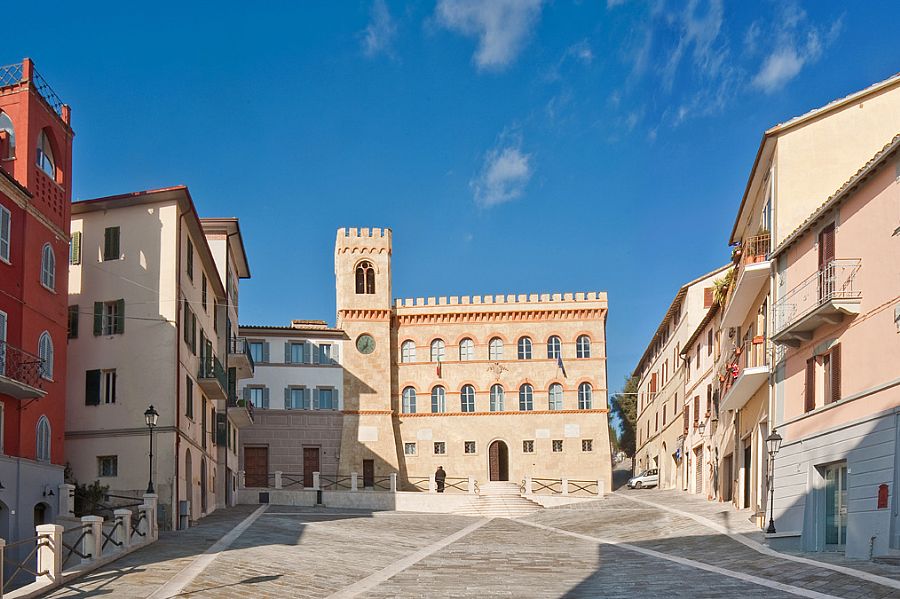
On a hill on the east side of Lake Trasimeno, Magione enjoys a lovely setting amidst olive groves, grapevines, low wooded hills, umbrella pines, and cultivated fields. It is nearly idyllic and is close to the lake, as well as in reach of Perugia, Assisi, Spello, Deruta, Cortona, and many other interesting towns. Located amidst captivating castles, and near the Tuscan border, it is in a strategic location for touring. And when it was founded, it was a crossroads along a couple of pilgrimage routes that made it strategic and important. The Knights of Malta built a hostel and assistence center here that later became an abbey and then fortified into a castle (still standing.) Because Magione takes in several frazioni hamlets, there are also several other castles within its territory, including the Castello di Zocco, Castello Montesperello and Montecolognola, among others. Monte del Lago is one of the frazioni, sited on a panoramic point at the lakefront.
The town was awarded the Bronze Medal of Merit for its partisan activities during WWII. Called "la terrazza sul lago" -terrace of the lake- it is a pretty place with the lake and olive groves, villas, towers, castles and views. A nearby nature preserve, La Valle, offers wetlands flora and fauna -especially popular with bird watchers. Of course, there are beaches and boat rides on the lake, and plenty of towns and even islands in the area to explore.
Around the charming lanes you'll find palazzi, piazzas, and towers, castles and cobbled streets, so wander around and discover the sights.
Castle of the Knights of Malta - built in the 1100s by the Order of the Knights of Malta, it served pilgrims as a hospitality center, then became a more illustrious residence that hosted popes and princes. The interior courtyard with its lovely loggias, the towers and salons can be visited; the cellar serves as a tasting room for a winery.
Torre dei Lambardi - you can't miss the soaring height of the tower, looming over the hamlet at 30 meters high ( feet), built at the turn of the 12th and 13th centuries. The terrace at the top offers panoramic views, while a hall on the first floor hosts events, concerts and weddings. It's worth the climb for the views!
Churches - San Giovanni Battista - built in the 16th century and still an active congregation, the church is enriched with some fine frescoes, though it was rebuilt after being bombed during WWII. // Church of Madonna delle Grazie - Originally built in the 132th/14th century, it is in Piazza della Repubblica and an important monument in the town. Originally called the "church of the hospital" and contains historic and beautiful frescoes.
In the area -
Villa Fidelia - near Spello, the 1800s villa with elaborate gardens is a beautiful example of both the architecture and the landscape design of the era.
Medieval Borgo Montecolognola - a beautiful walled borgo (hamlet) on a hill above the lake amidst olive groves, it is elliptical with five towers and two gates with the village set within the antique protective stone walls. With a beautiful church, castle, homes and cobbled streets, it is a charmer. There is also a lovely overlook to the lake.
Fishing hamlet San Feliciano - at the lakeshore, the fishing village of San Feliciano preserves the old atmosphere as it also allows you a peaceful stroll along the waterfront. Called "the pearl of Lake Trasimeno" you can enjoy splendid sunsets here, take the ferry to Isola Polvese or a boat excursion around the lake, or just enjoy a beach day.
Museum of Lake Trasimeno - in San Feliciano, the museum is dedicated to the lake and fishing covering the geography, geology, evolution of the lake environment, flora and fauna and fishing on Lake Trasimeno through the centuries.
Ask our staff about self-catering homes in Umbria.
Explore nearby towns
On the northern rim of Lake Trasimeno, where the water meets the rock, sits Passignano, a town with an interesting combination of nature and history, art and folklore.
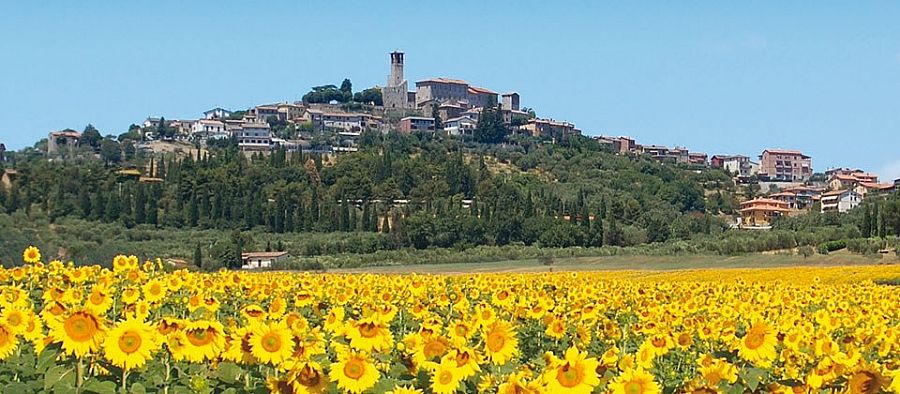
A pleasant hamlet of warm stone and stucco houses on a dominating hill above Lake Trasimeno, you'll find quiet and characteristic charm here.
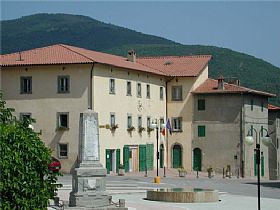
A quiet country town in the geographic center of Italy, Lisciano Niccone is located right along the line where Umbria sweeps into Tuscany.