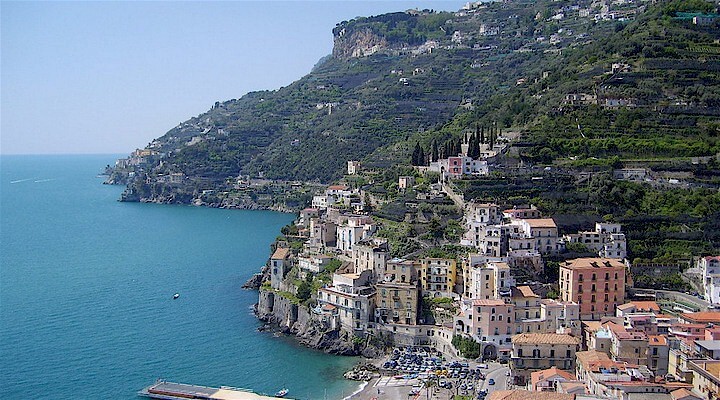
 Amalfi Coast
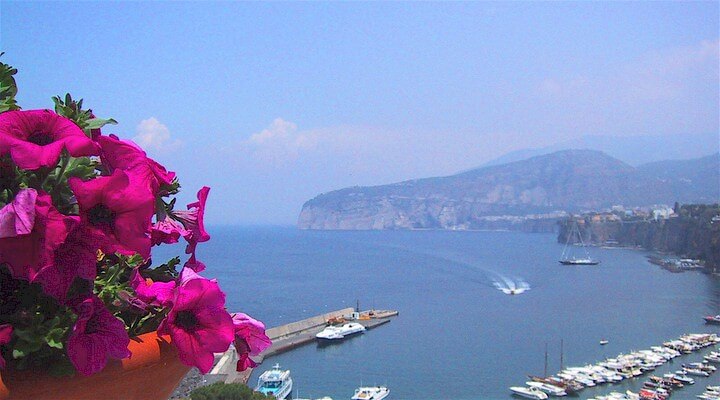 Sorrento Coast
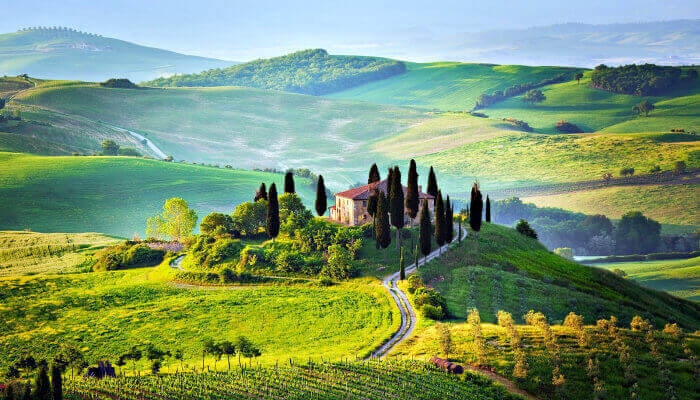 Tuscany
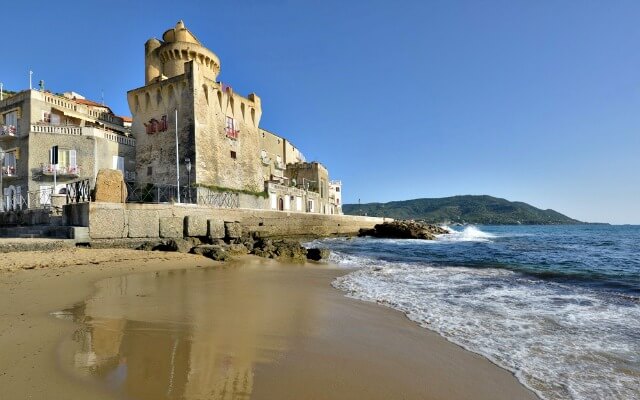 Cilento National Park
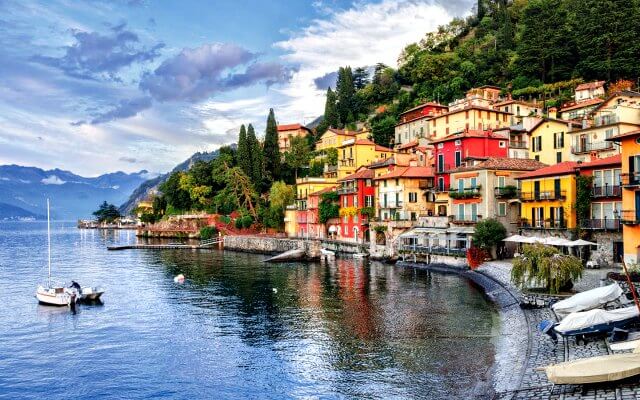 Lake Como
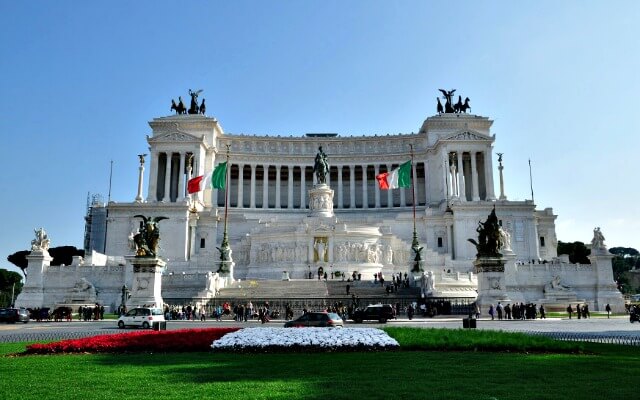 Rome and Latium
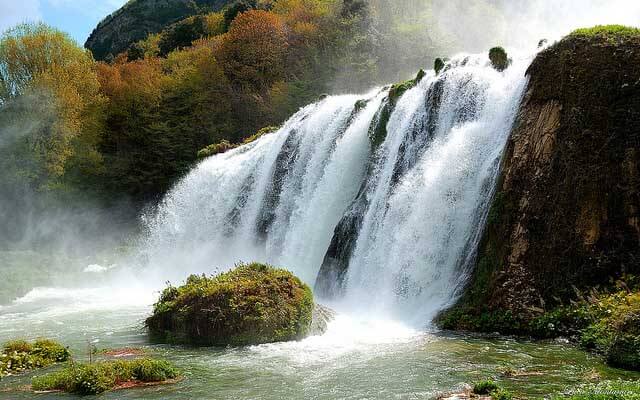 Umbria
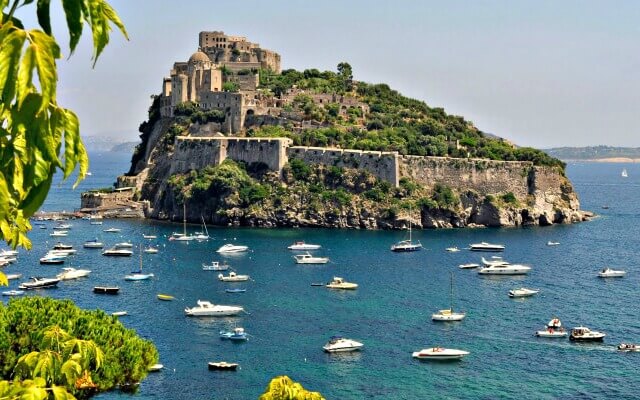 Capri and Ischia
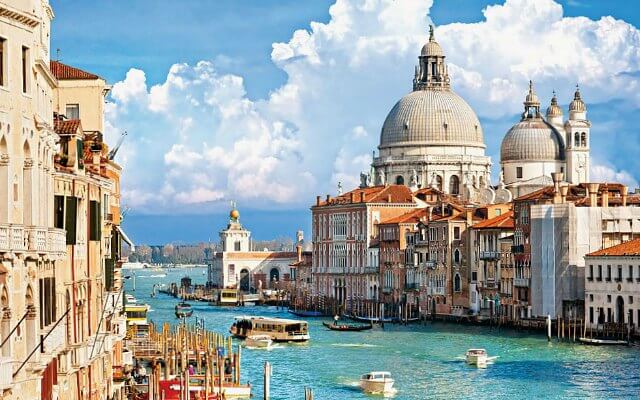 Venice
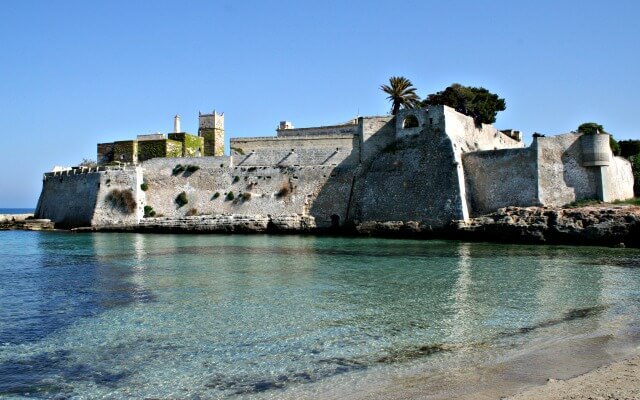 Puglia (Apulia)
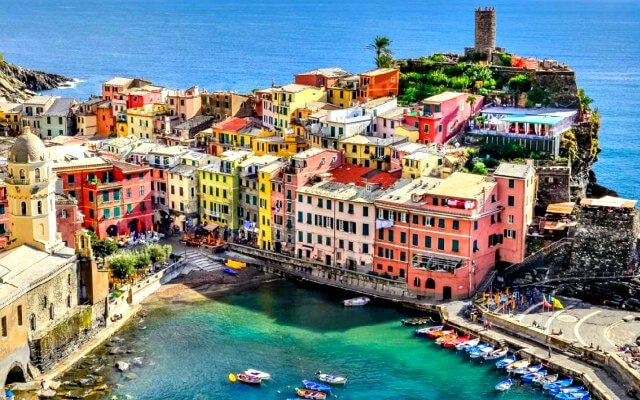 Liguria
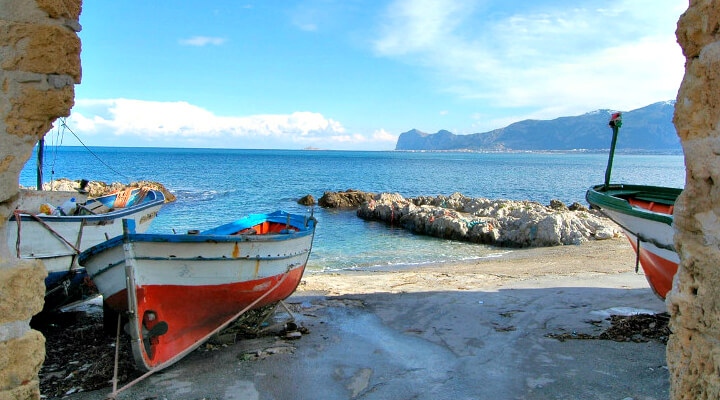 Sicily
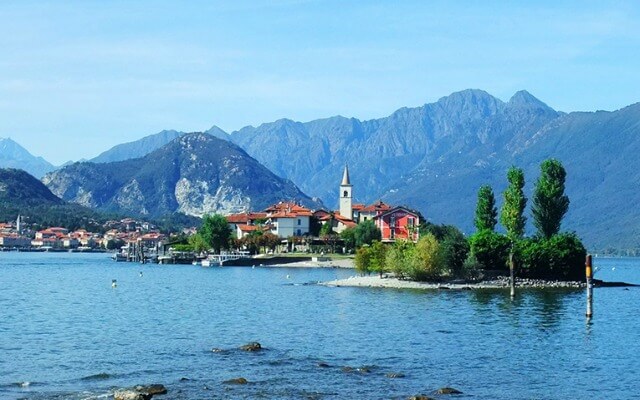 Lake Maggiore
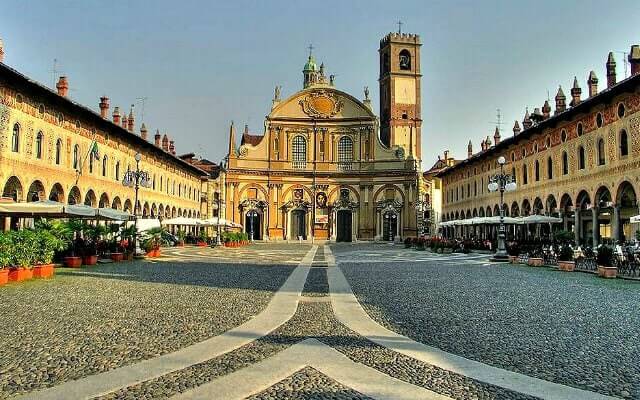 Lombardy
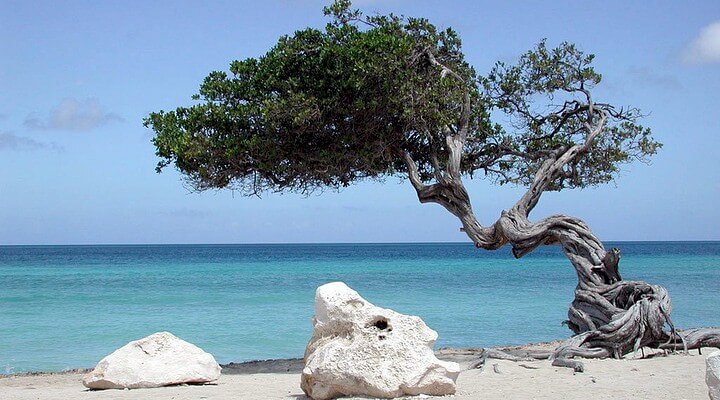 Sardinia
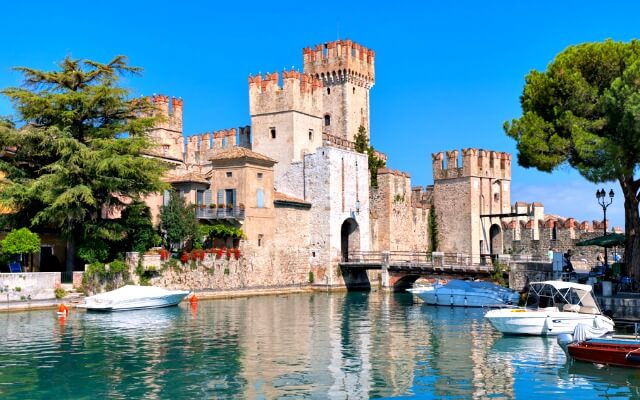 Lake Garda
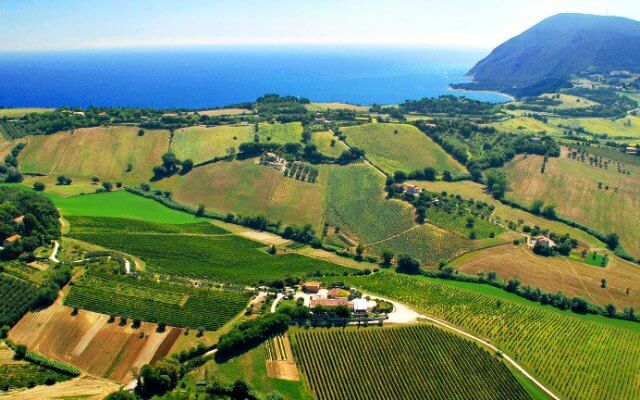 Abruzzo and Marche
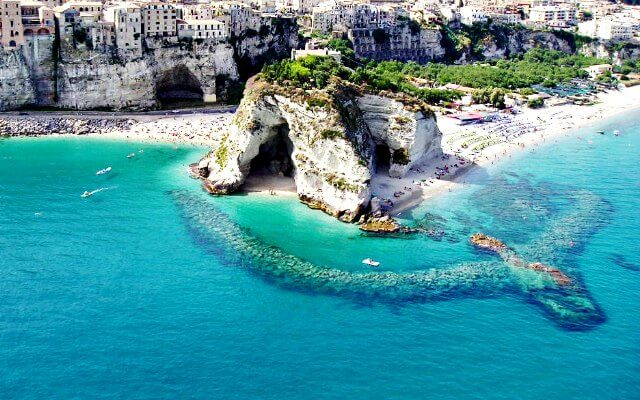 Calabria
Pula
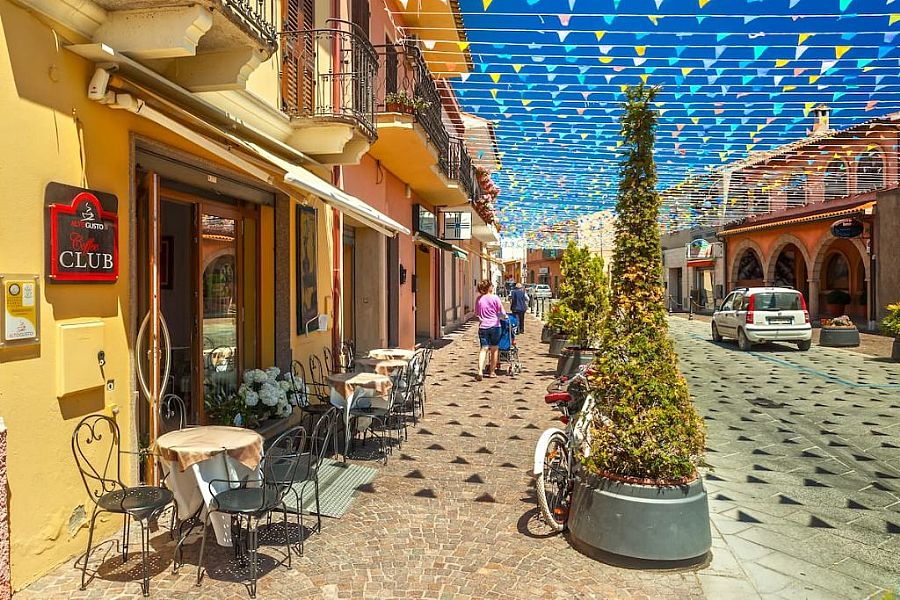
Located just inland about 12 kilometers from the sea and the beach town of Santa Margherita di Pula, the original town was founded in the medieval period. With 7,000 residents, it offers services, shops, restaurants and bars, along with a pastel and fun flag-festooned "corso" street, with the sort of scallop-shapped Piazza del Popolo at its end. The Piazza serves as the city's hub for events, concerts, gatherings and more. The town is neat and tidy with plenty to do, painted in pretty pastel shades and with loads of eateries, pastry shops, gelateries and bars interspersed amidst the streets.
Pula may have developed in the Middle Ages, but its roots are actually Phoenician and Greek. It's name may derive from the Greek pulèy meaning passage or route; or possibly from the Sardo padule/paule (palude in Italian) meaning marsh or basin.
The P{hoenicians came in the 8th century BCE, probably where there had already been a Nuraghic settlement. The Greeks, then the Punics an dRomans, until it was ceded to Caralis (present-day Cagliari). After the fall of the Roman empire, it saw invasions by the Vandals and Saracens, and nearby Nora was destroyed. The archeological site is Nora is something to visit, by the way!
Then the Middle Ages saw the town grow once again from the 8th century onward and in 1324 it was conquested by the Aragon dynasty and called Villa di Pula, a feudal estate with the seat at Quirra. In 1839 it was part of the Kingdom of Sardegna then in 1861 wrapped into the Kingdom of Italy. In short, the small town has a long history!
What To See and Do
While Pula may be best known for its 20th century beach resort development, Santa Margherita di Pula, and for the archeological site of Nora, there are other things to see and do. Besides just wandering Pula to take in the pleasant, friendly ambiance, there is a archeological museum (Museo Archeologico Civico Giovanni Patroni) where artifacts from the various archeological sites in the area are housed. Hang out in the Piazza del Popolo, walk along the Corso,
The Church of Sant'Efisio, from the 12th century in the area of Nora, was built on the spot where the saint was martyred. In Pula, St John the Baptist church is dedicated to the town's patron saint, built in the 1800s, pretty and airy and the town's main church. It is the scene of many celebrations. Outside Pula is the Sanctuary of the Madonna della Consolazione, in the frazione of Is Molas, a modern structure but one that is lovely and draws devotees.
There are a few nuraghi in the area, notably Sa Perdaia and Santa Margherita. Monte Maria is a high point (literally!) for trekking fans, a 5 kilometer hike through the macchia mediterranea (brush) and trees to 407 meters above sea level. And the Foresta Is Cannoneris is an extensive wooded preserve to enjoy a day in nature. An adventure park is popular, especially with kids and teens, but really anyone who just likes to play in the trees! There is a golf club for those who want to hit the links, and of course, there are many coastal towns and inland towns to explore, and Cagliari is nearby, too.
Explore handpicked holiday lettings in Pula.
Explore nearby towns
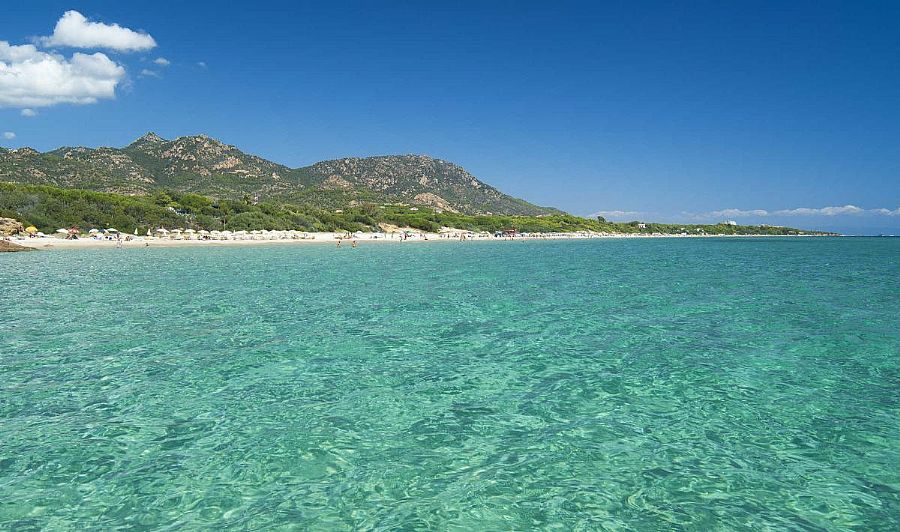
A sun and sea-washed spot at the southern tip of Sardinia, you'll find yourself immersed in nature and far from the crowds and chaos here.
Tertenia is a hill town cradled between the sea and the mountains along Sardinia's eastern side.
Characteristic craggy peaks provide a distinct background to the town of Ulassai in Sardinia.