
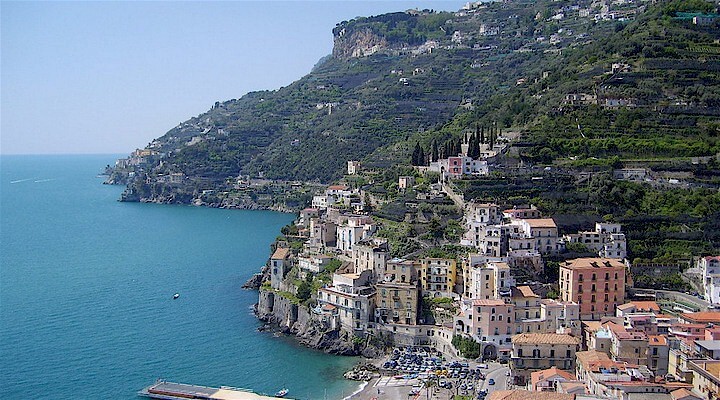
 Amalfi Coast
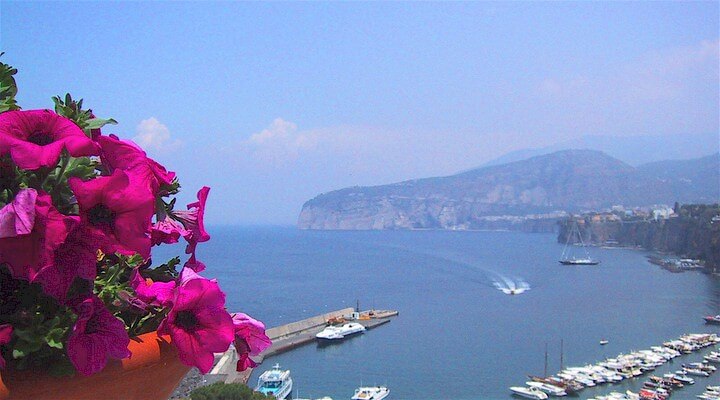 Sorrento Coast
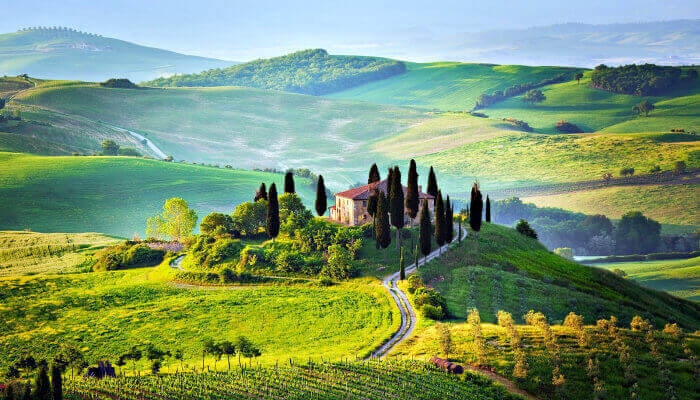 Tuscany
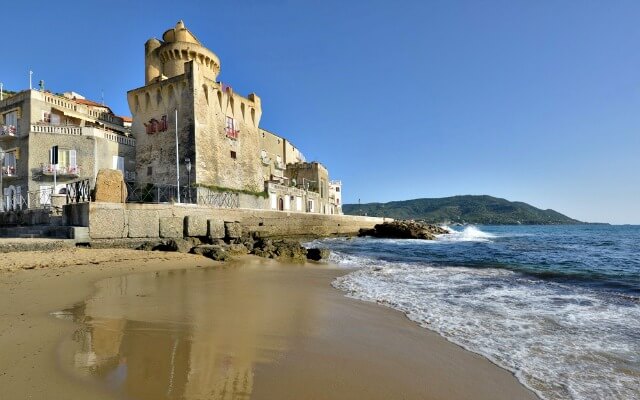 Cilento National Park
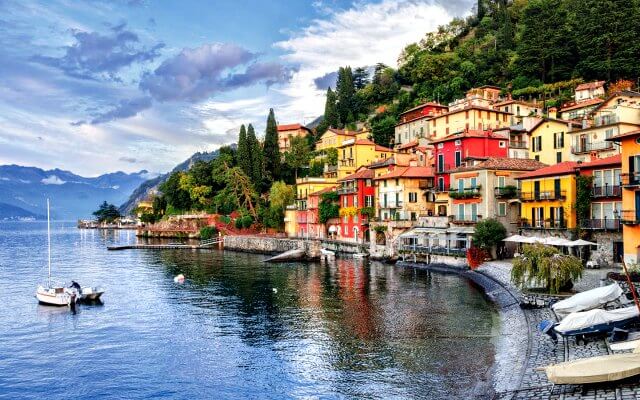 Lake Como
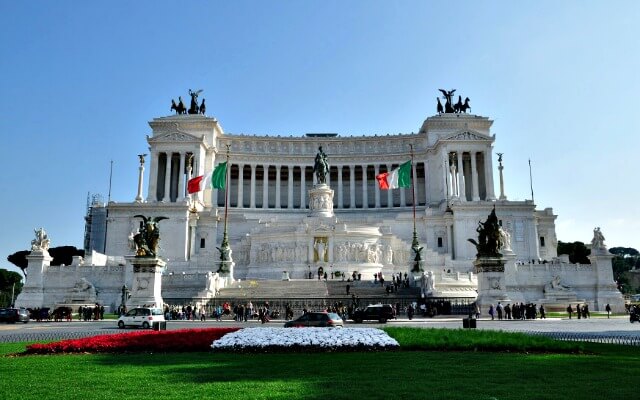 Rome and Latium
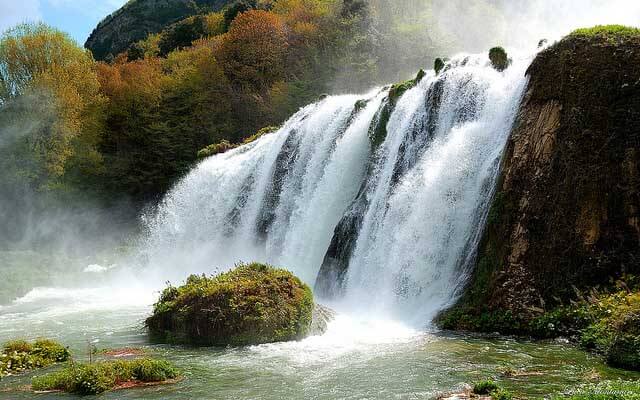 Umbria
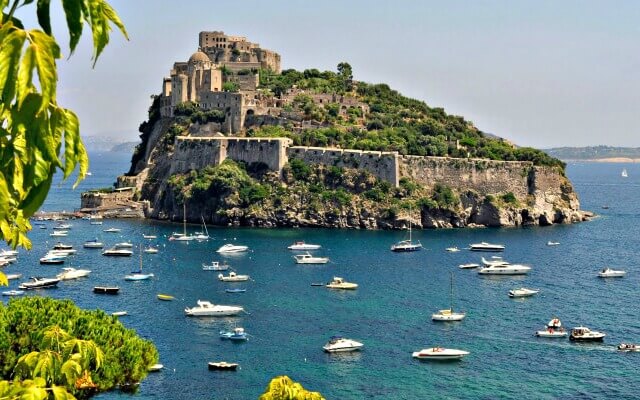 Capri and Ischia
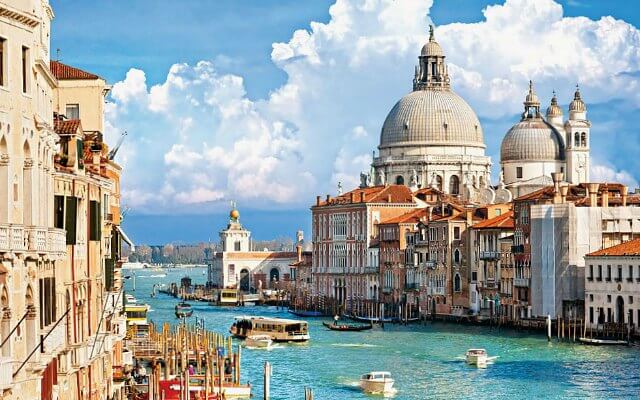 Venice
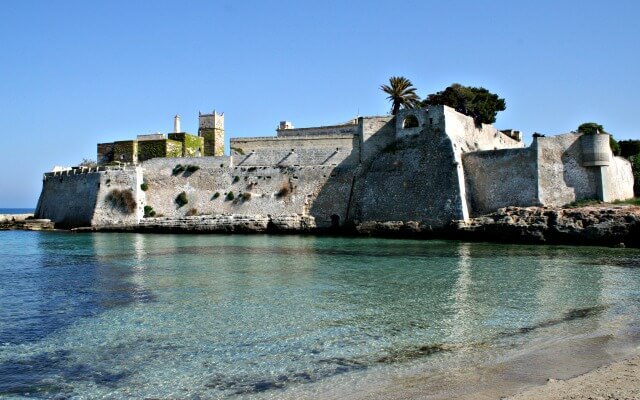 Puglia (Apulia)
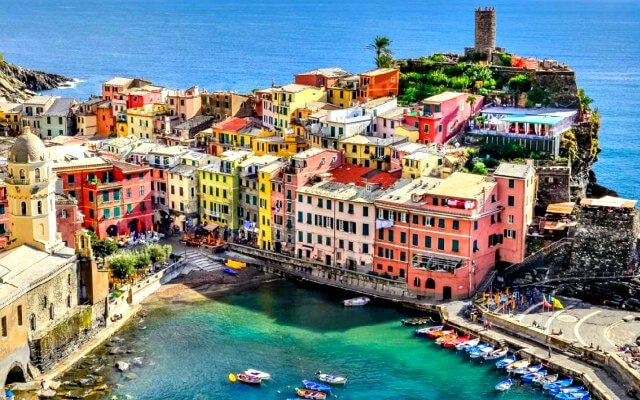 Liguria
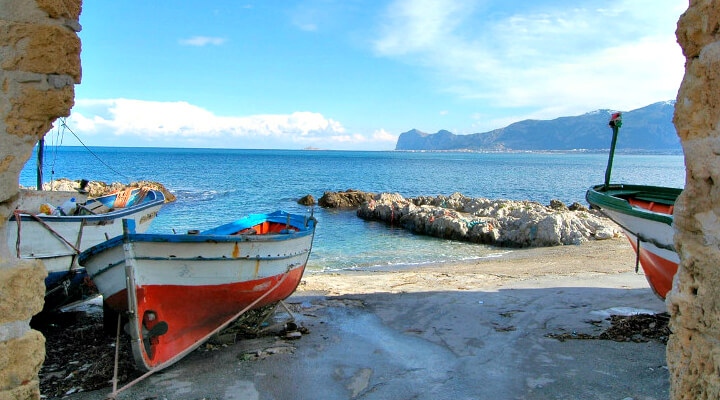 Sicily
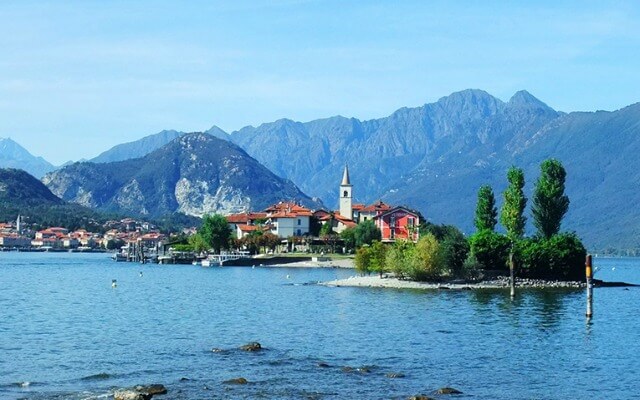 Lake Maggiore
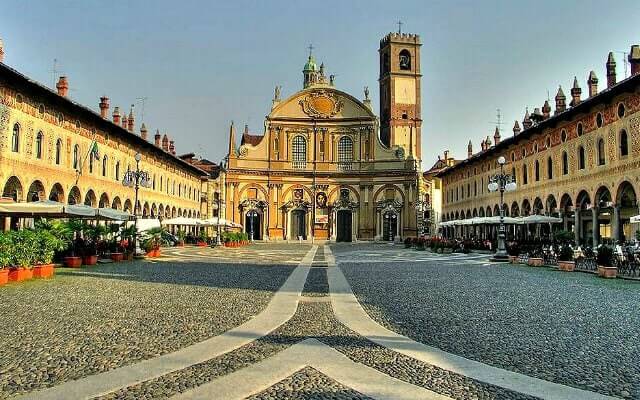 Lombardy
 Sardinia
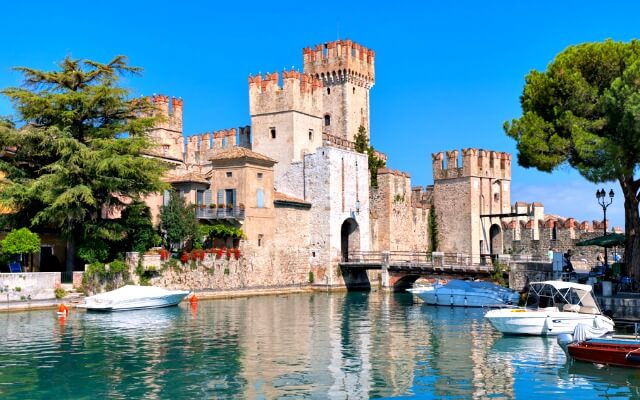 Lake Garda
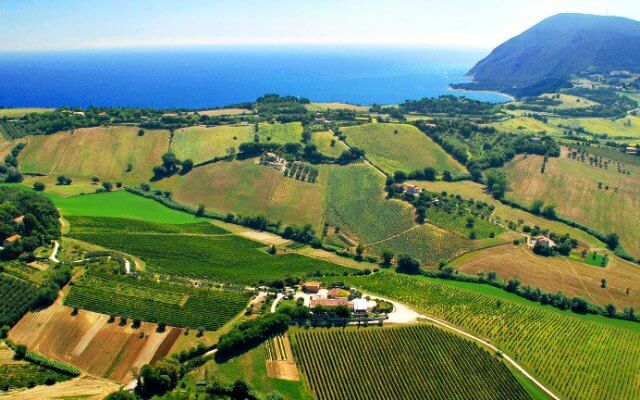 Abruzzo and Marche
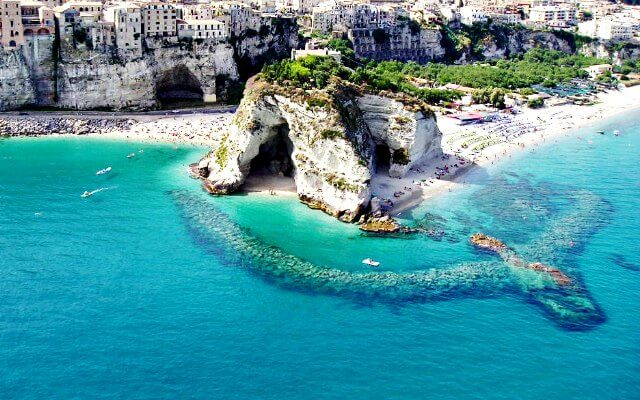 Calabria
Cathedral of Padua
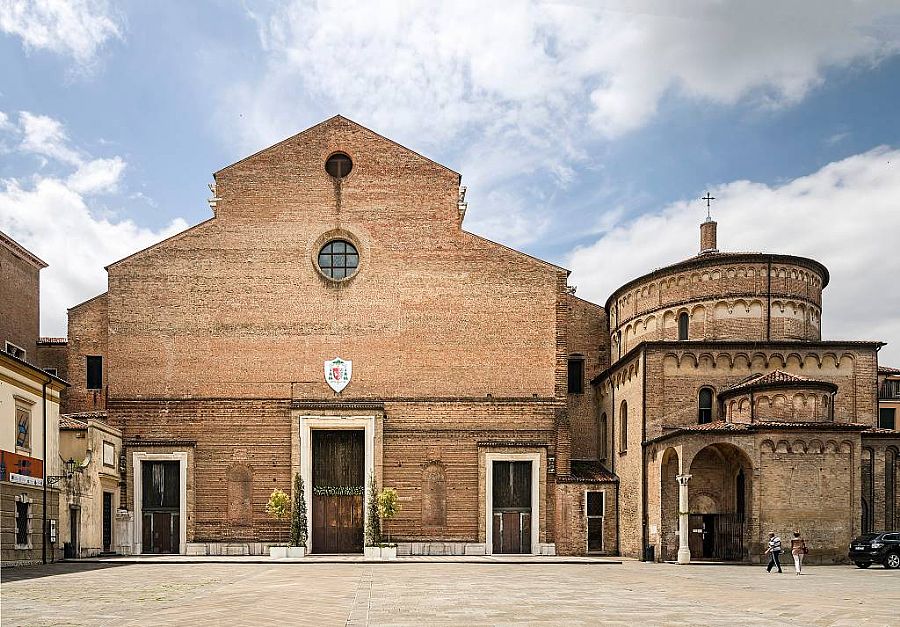
The cathedral of Padova is dedicated to Santa Maria Assunta, the ascended Mary. It bears a simple Romanesque facade which hides domes behind it, with the slightly more ornate baptistry connected to it. The bare bricks give it an almost heavy appearance. The original church was built in the mid-9th century, consecrated in 1075, but seriously damaged in an earthquake in 1117. There was a competition for architectural renderings and while it is rumored that Michelangelo was a favored for it, the progect was awarded to architect Andrea de Valle, however it was then significantly changed by Agostino Righetti. It took so long it was finally completed in 1754 by Girolamo Frigimelica, though the grandiose facade he envisioned was never added. The church was unfortunately bombed during WWI.
Despite its austere front, the Duomo contains gorgeous, vivid frescoes that depict a myriad of Biblical scenes in lush detail, by Giusto de' Menabuoi in the late 1300s. There are paintings by Tiepolo, Montagnano, Francesco Petrarca, Sassoferrato, Bassano and others. A treasure displays reliquaries and other ornate gifts of the church.
Next to the cathedral is a more ornate and surprising domed baptistry dating to the early 1200s. Exuberantly adorned in frescoes, you absolutely must see it! The paintings are breathtaking, even more so because they were completed in the 1300s by Francesco da Carrara il Vecchio and his wife, Fina Buzzaccarini, an extraordinary feat at the time, but extraordinary in its beauty and preservation. They are said to be one of the best preserved pictorial cycles of that century. Of the 100 scenes painted, 78 depict stories from Genesis, the Apocolypse, and the life of St John the Baptist. Truly, it is not to be missed.
The fanciful church occupies a piazza in the heart of Padova. It is definitely worth a visit!
Address in Padua:
Via Dietro Duomo, 3.
Ph. +39 049 656 914.
Rent a holiday house in Padua and travel like a local.