Rent your vacation villa in Italy with us!
100% personally handpicked Italian holiday homes and
a fanatic staff who'll make you scream "That's Amore!"
Assisi is renowned for its beautiful setting and its famous hometown boy who became a symbol for peace and virtue, and who also became a saint, St Francis.
Perugia is cosmopolitan and unforgettable, and is also the largest walled medieval city in Italy.
You can't miss Orvieto.
Wedged among woods on a hillside, Spoleto is a nearly perfect medieval city with loads of charm in a beautiful setting.
Among the gentle green hills of the Upper Tiber Valley, in luminous landscapes and an intensely cultivated countryside, lies the art city of Città di Castello.
Collepepe is a delightful medieval district situated on top of a hill at 251 metres above the sea level.
Foligno, located in the heart of Umbria, is a vibrant town known for its rich history, cultural heritage, and lively atmosphere.
Gubbio is a delightful village of the Umbria region, whose charm is reatained in its medieval buildings, churches and streets, that create an old-time, mysterious atmosphere.
Historical documents and finds testify that Narni, whose primary name was “Nequinum", has been inhabited from the Paleolith.
Todi rises on the top of a 400 meters hill that overlooks the valley of Tiber River, on the border with the ancient Etruscan territory.
Bettona, a charming hilltop town in the Umbria region of Italy, is a picturesque destination offering a blend of medieval architecture, stunning views, and authentic Umbrian culture.
The prosperous town of Bevagna, has pre-roman origins.
Castiglione del Lago is an incomparably delightful village located on a chalky promontory overlooking Lake Trasimeno with all the impressiveness of its castle, “Rocca del Leone”.
Citta' della Pieve sits prettily on a hill where Umbria skirts the border of Tuscany.
In the Valnerina river valley near Terni, Ferentillo stands in Medieval style surrounded by protective walls.
The imposing old Castle of Gualdo Cattaneo rises on the northwestern margins of the area that in ancient times used to be under the political power of Spoleto, and for ages was hotly contested between Foligno and Spoleto.
Guardea rests on a hillside in Umbria where the region brushes up to northern Lazio.
Thanks to the enchanting geographical position (on top of a 473 metres hill, among the valleys of Clitunno, Topino and Tevere), Montefalco has been defined "the Umbrian railing".
Norcia, is located in the lovely Valnerina Valley, where Umbria skirts Le Marche.
Spello is a jewel box that preserves a considerable artistic and cultural heritage.
Terni was called "the Italian Manchester" in the late 19th century (in the middle of the Industrial Revolution) and it owes its current look to the establishment of large industrial enterprises, and important hydropower productions.
Located in the central-eastern Umbria, between Foligno and Spoleto, Trevi rises on the slopes of Monte Serano, perched on a hill rich in olive trees facing the plains of Spoleto.
The lovely village of Baschi is a perfectly preserved medieval hill town, well worth a detour to wander the narrow lanes and soak in the Old World atmosphere.
The intriguing village of Campello sul Clitunno sits squarely on the hilltop above the Via Flaminia, just north of Spoleto.
Canalicchio is a magical antique castle-town in Umbria.
Cascia's history is deeply linked to Rita, the Augustinian saint who's born here in 1381.
The stone-built hamelt of Castiglione della Valle sits on a low hill in the Umbrian countryside.
Citerna is a charming Umbrian town that sits right at the border where it bumps up with Tuscany.
Collazzone is located on top of a 170-metre-high hill, very well connected with Perugia and Terni (10 minutes by car from Marsciano, junction on the E45 highway), and with Foligno and Spoleto (30 minutes by car).
The pretty stone hill town of Deruta lies in the central heart of Umbria, between Rome and Florence.
The cozy, compact town of Fabro enjoys a lucky location half-way between Rome and Florence.
The hamlet of Fossato di Vico has two distinct zones - the lower valley section along the Via Flaminia and the upper historic borgo on the hill.
A tiny medieval hamlet packs a dramatic punch with its perfectly preserved castle resting on the crest.
Stroll brick-paved streets and admire balconies draped with colourful flowers; discover nature, medieval art and tradition.
The pretty town of Preci overlooks the Castoriana valley, nestled below the peaks of the National Park of Mount Sibillini.
Located along the Tiber River Valley, the dual hamlets of Ramazzano and Le Pulci are combined under the authority of Perugia.
The medieval hamlet of San Gemini, close to Terni and Narni, lies on a hilly landscape spotted with torrents and valleys, where a long time ago it was a Roman settlement.
A mostly-modern town in a valley location with some historical buildings, San Giustino is nearly on the border of Umbria and Tuscany.
What looks like an ordinary lakeside town was actually the scene of one of history's epic battles.
The city of Umbertide is an Umbrian gem.
In the heart of Umbria's green hills, Valtopina is a hamlet in a splendid natural setting.
This Umbria town is surrounded by beautiful countryside and has a lived-in feel.
Town of considerable historic and cultural interest, Amelia's one of the most ancient Italian towns.
Situated along the Chiascio River, the town of Bastia Umbra is in the very heart of Umbria.
A pretty country town in the hills of Umbria, Castel Ritaldi is in the green heart of the region.
The town of Fabro Scalo developed along with the railroad line in the 1930s and quickly became a transportation point.
The hamlet of Fighille rests right where Umbria meets Tuscany.
The charming village of Lippiano belongs to the municipality of Monte Santa Maria Tiberina, in the province of Perugia, Umbria region.
A quiet country town in the geographic center of Italy, Lisciano Niccone is located right along the line where Umbria sweeps into Tuscany.
On a hill on the east side of Lake Trasimeno, Magione enjoys a lovely setting amidst olive groves, grapevines, low wooded hills, umbrella pines, and cultivated fields.
Massa Martana is the most important centre of a large rural area rich in human settlements, held among ancient castles and incredibly beautiful villas.
Located in the Upper Tiber Valley, the village of Monte Santa Maria Tiberina is full of charm.
The town of Montegabbione, which easily remains far from obvious tourist itineraries, is a simple medieval village in the province of Terni.
Morra is a small Umbrian village, half way between Cortona and Città di Castello, where in ancient times the Roman legions used to stop to rest along their travels through the Empire.
Paciano is a picturesque village that was acclaimed as being one of the nicest Italian villages from the Middle Ages, and today listed among the borghi piu belli d'Italia (most beautiful villages) making it a sure winner.
Sitting just south of Lake Trasimeno, Panicale is in a beautiful position between the lake and the Val di Chiana, between Perugia and Montepulciano.
On the northern rim of Lake Trasimeno, where the water meets the rock, sits Passignano, a town with an interesting combination of nature and history, art and folklore.
Sitting on a hillside above the Tiber Valley, Pietralunga is a pretty place of stone streets and green countryside.
The hamlet of San Giovanni del Pantano has a long, long history, having started out as a Roman outpost in the upper Tiber Valley.
Below the hill town of Assisi on the Valle Umbra plain is the town of Santa Maria degli Angeli, named for the basilica built here.
The compact and picturesque town of Sellano sits above the Vigi River valley, a pretty hill town overlooking stunning natural landscapes.
A medieval hamlet on a hill above the Valnerina river valley, its history goes back to the 11th century.
A pleasant hamlet of warm stone and stucco houses on a dominating hill above Lake Trasimeno, you'll find quiet and characteristic charm here.
Allerona is a town so adorable that you will think you stepped into a postcard scene or a movie set.
A medieval hamlet on a low hill, it has a long history, and a modern development.
In the country outside Citta della Pieve, the frazione of Moiano has medieval roots though it is a more modern town today.
A hamlet below Assisi and part of the city's municipality, the town was part of the protective network of Assisi in the Middle Ages.

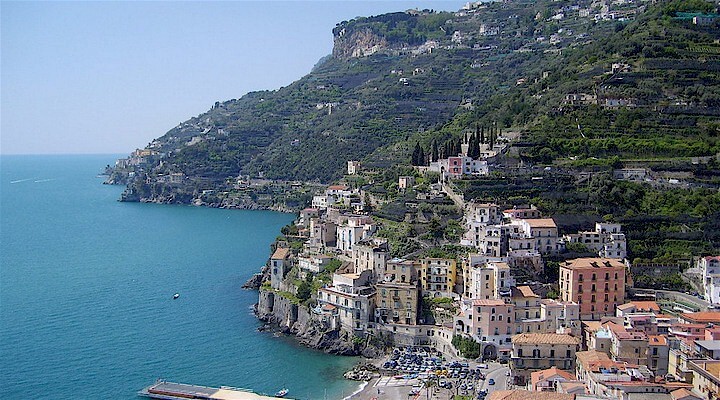 Amalfi Coast
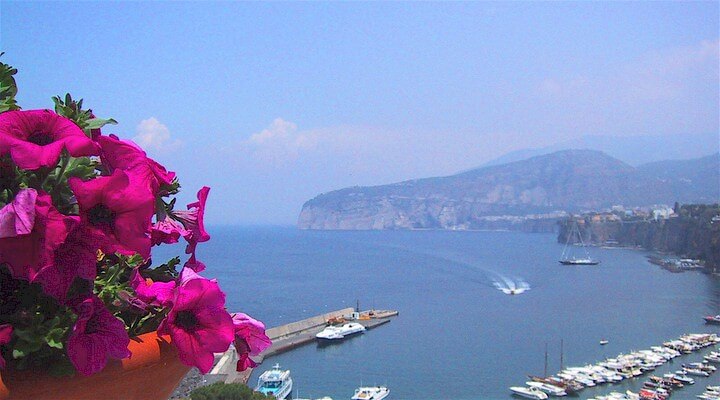 Sorrento Coast
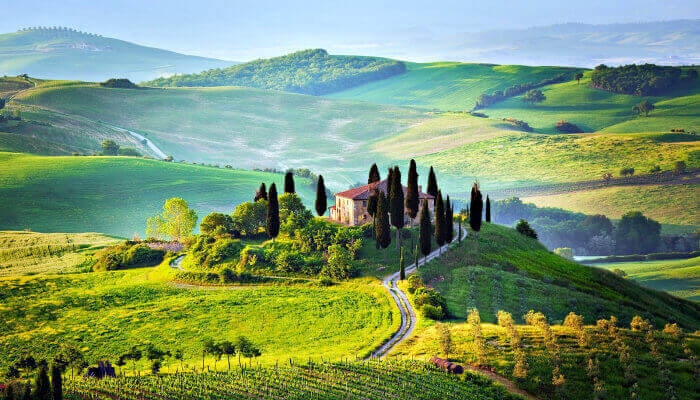 Tuscany
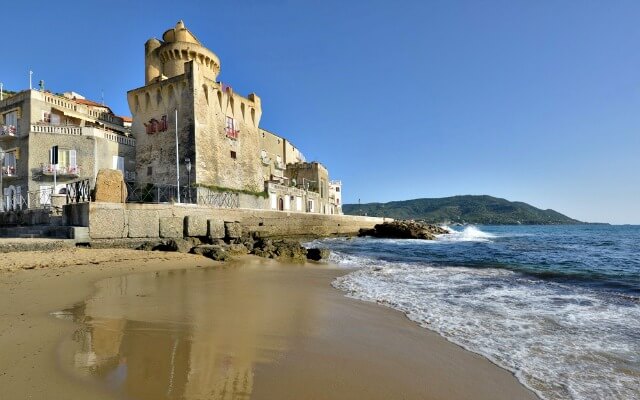 Cilento National Park
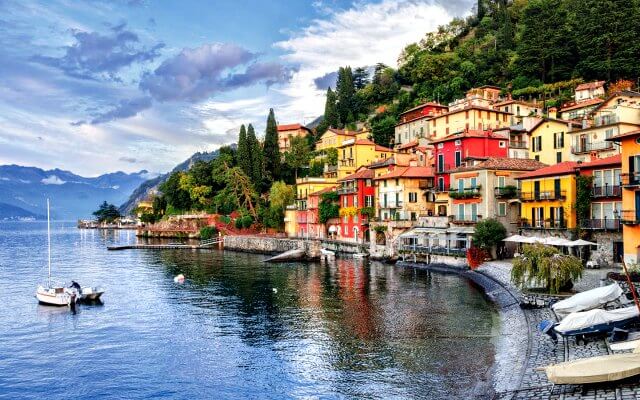 Lake Como
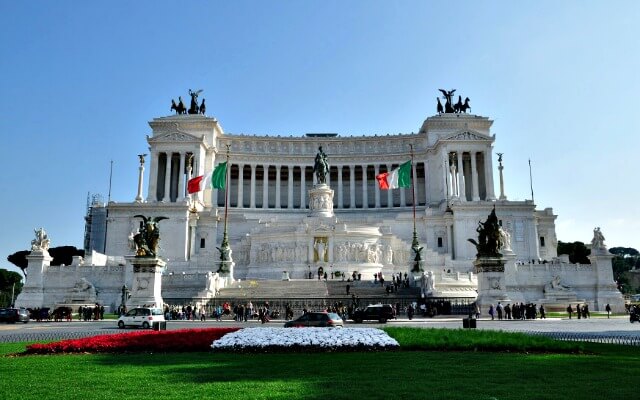 Rome and Latium
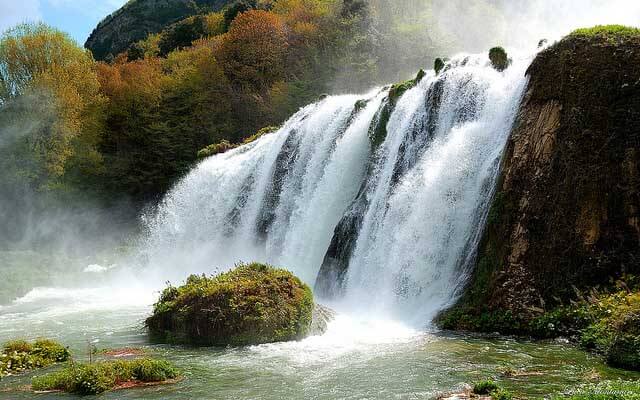 Umbria
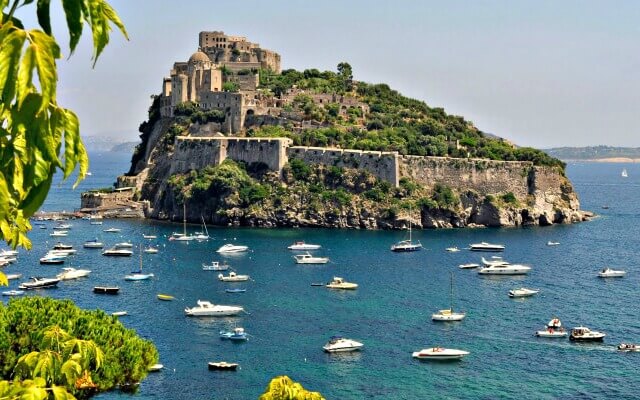 Capri and Ischia
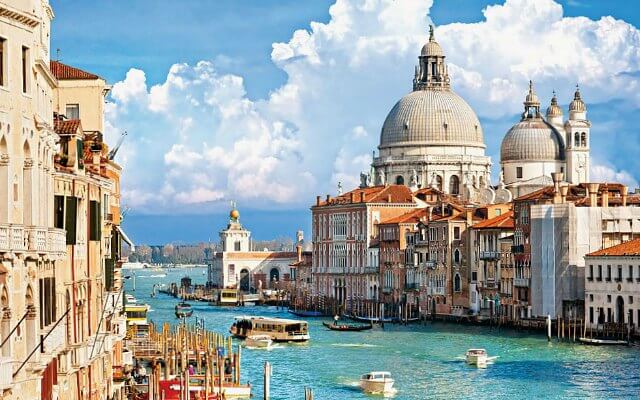 Venice
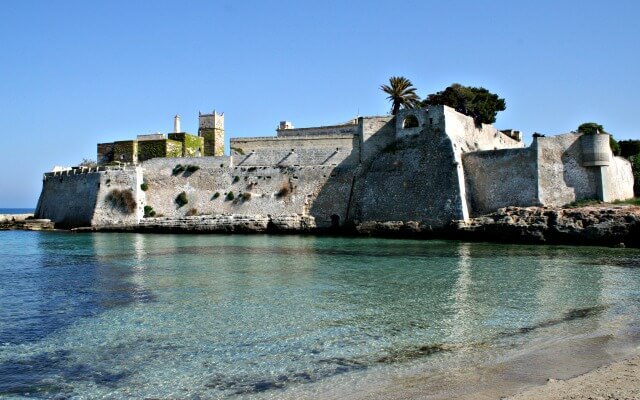 Puglia (Apulia)
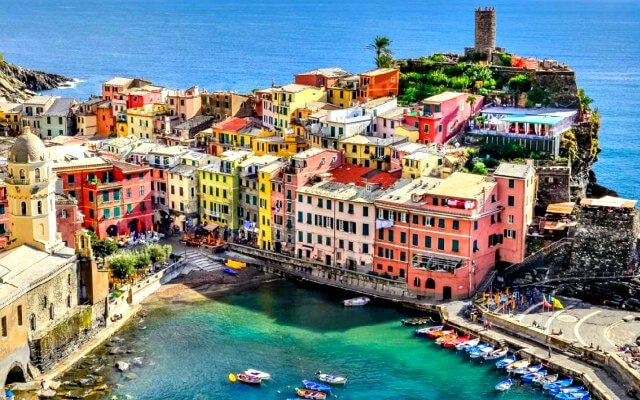 Liguria
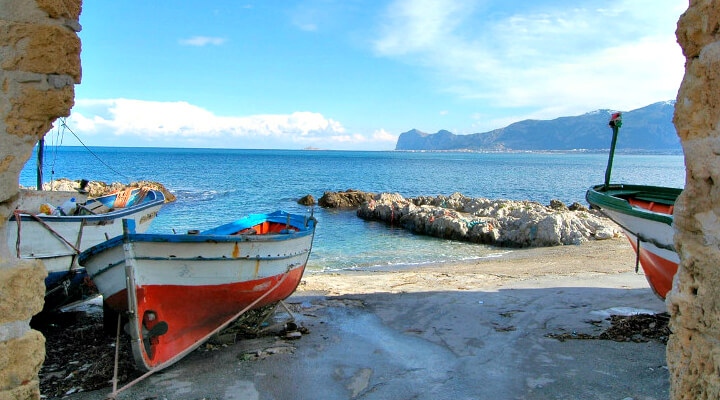 Sicily
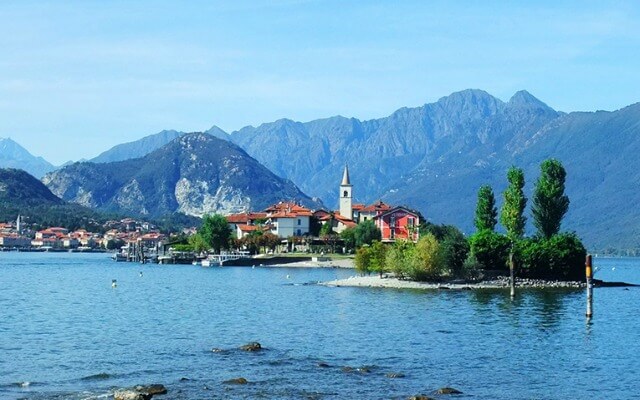 Lake Maggiore
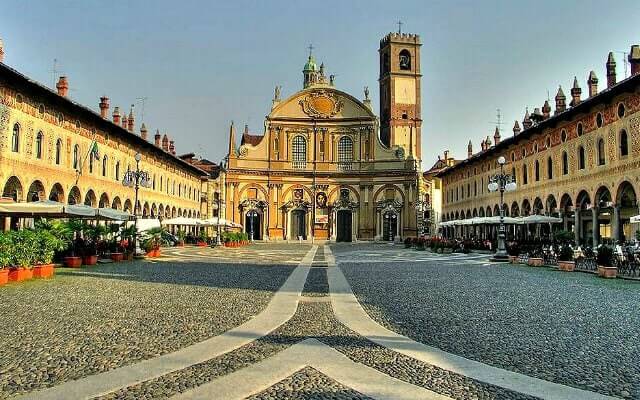 Lombardy
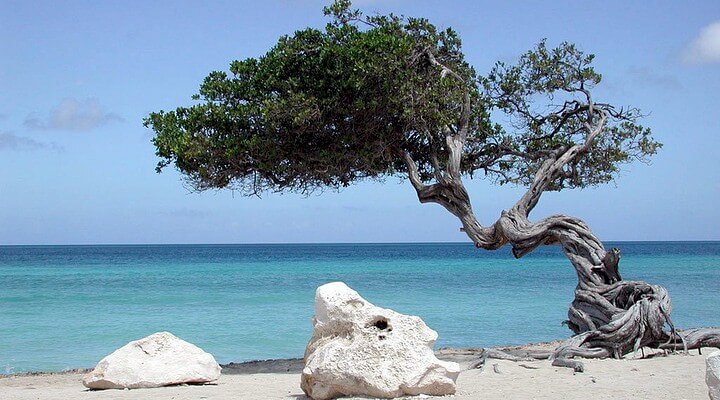 Sardinia
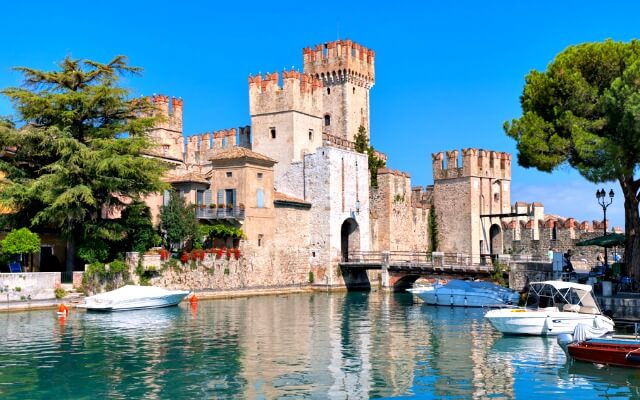 Lake Garda
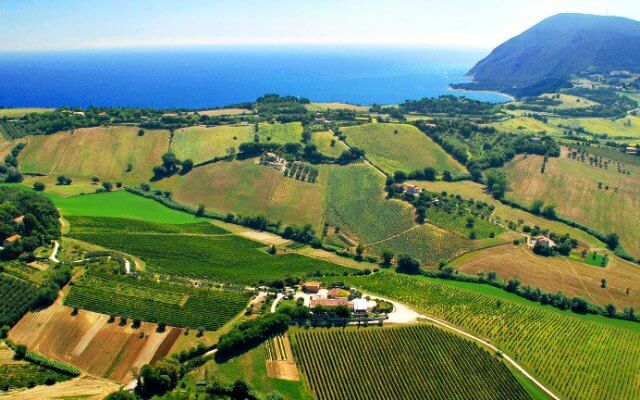 Abruzzo and Marche
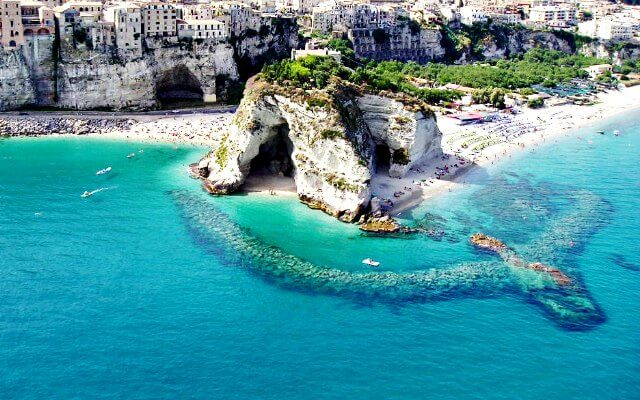 Calabria