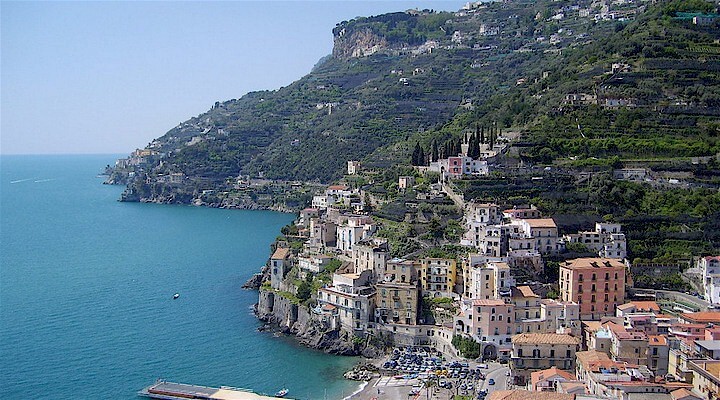
 Amalfi Coast
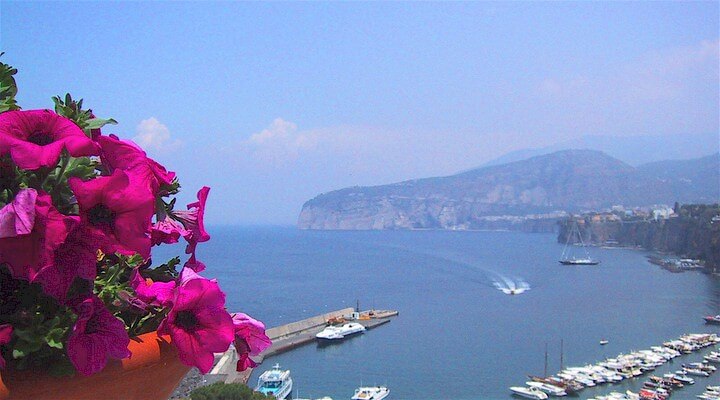 Sorrento Coast
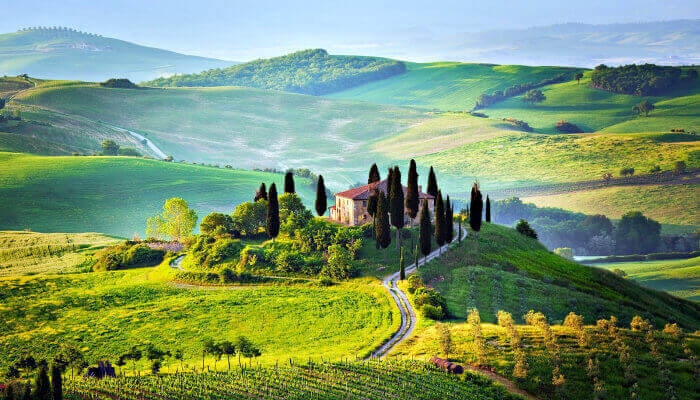 Tuscany
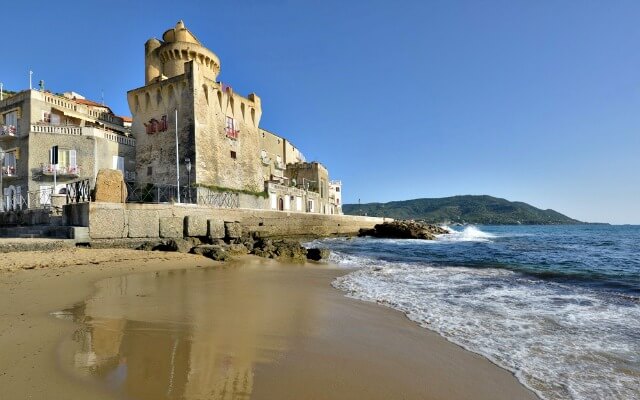 Cilento National Park
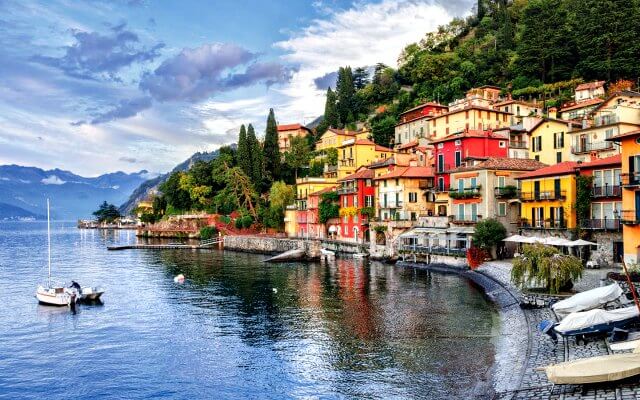 Lake Como
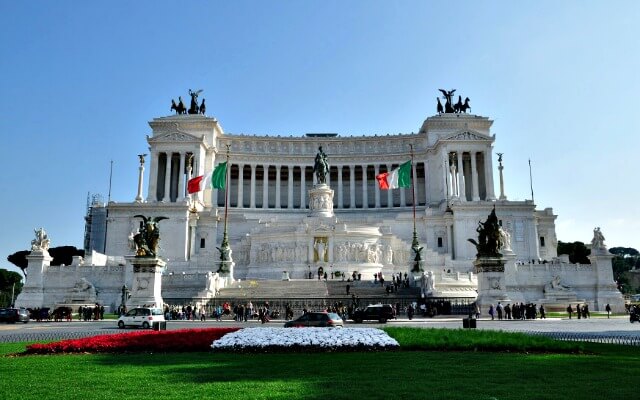 Rome and Latium
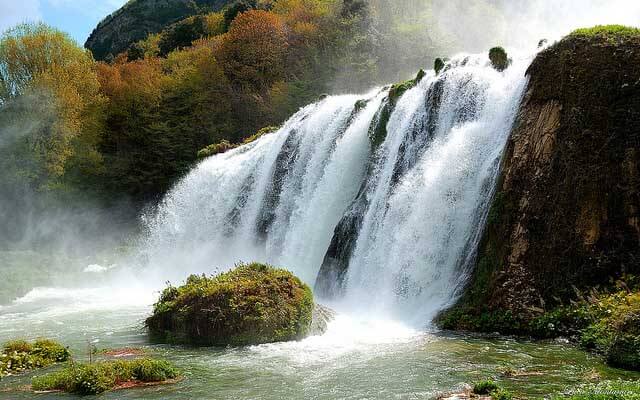 Umbria
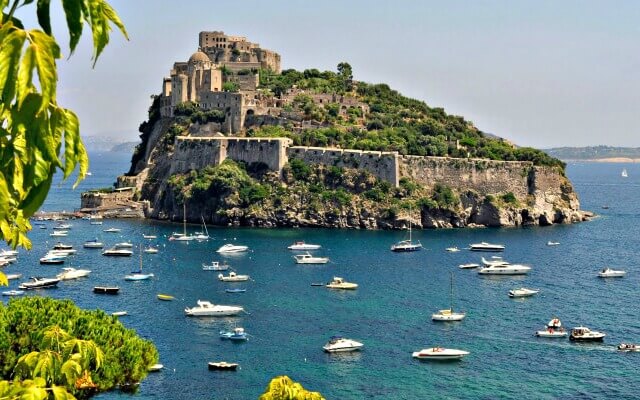 Capri and Ischia
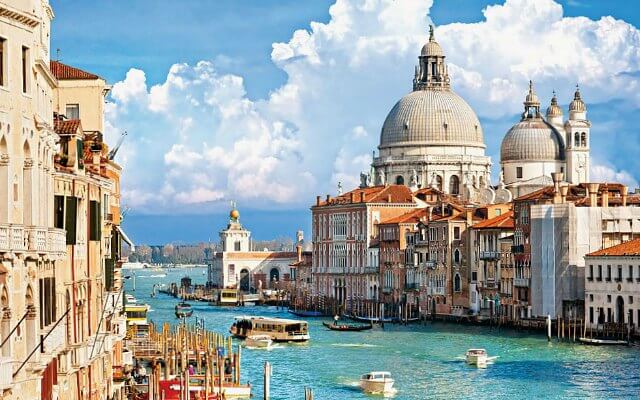 Venice
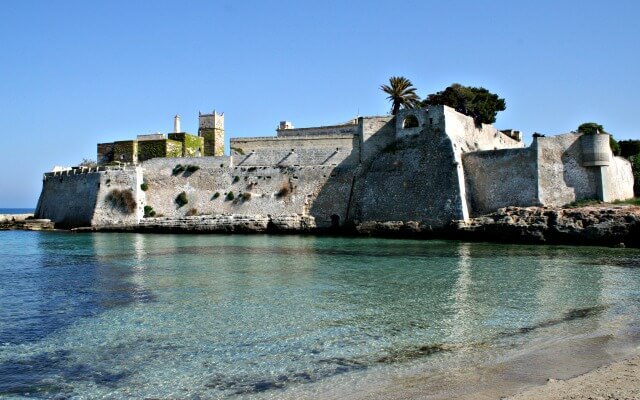 Puglia (Apulia)
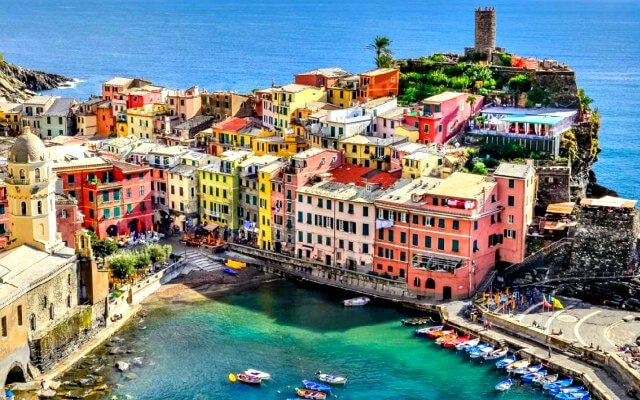 Liguria
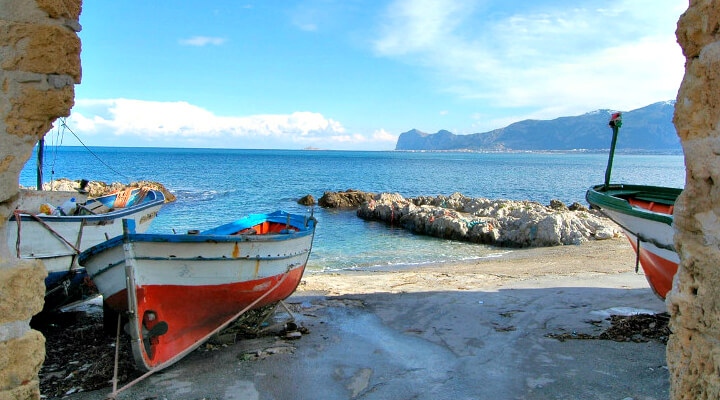 Sicily
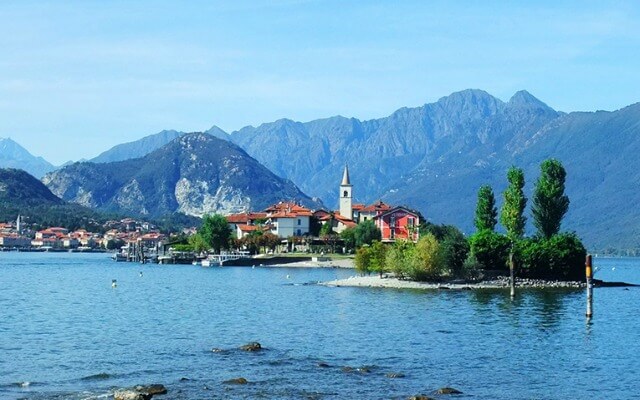 Lake Maggiore
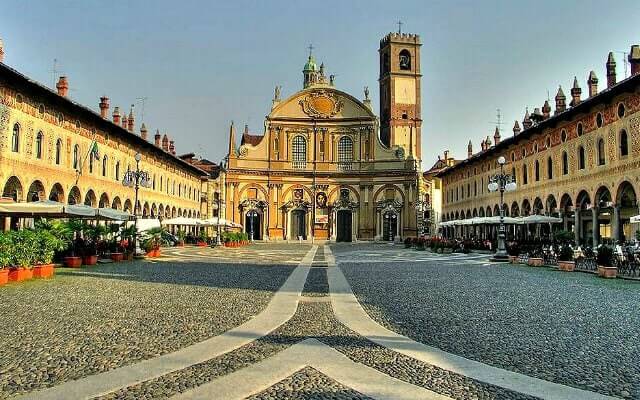 Lombardy
 Sardinia
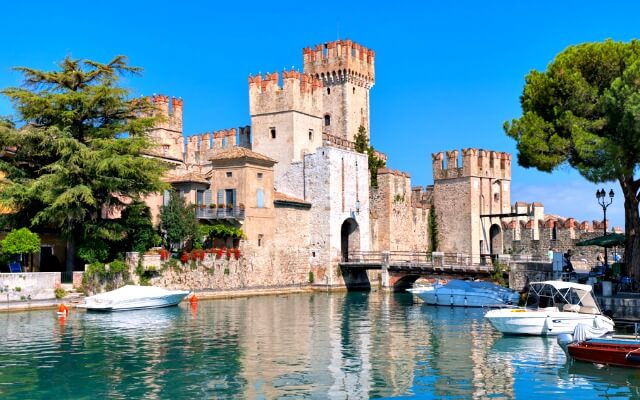 Lake Garda
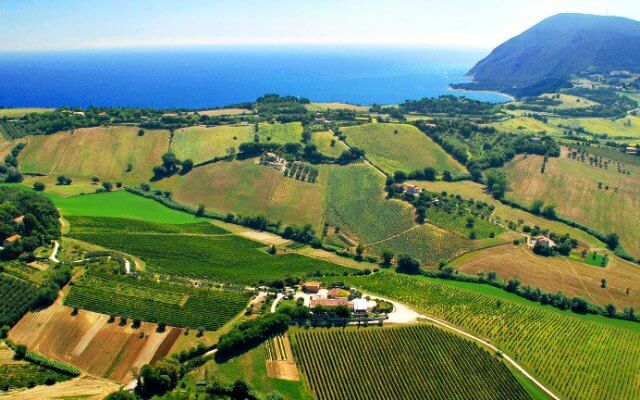 Abruzzo and Marche
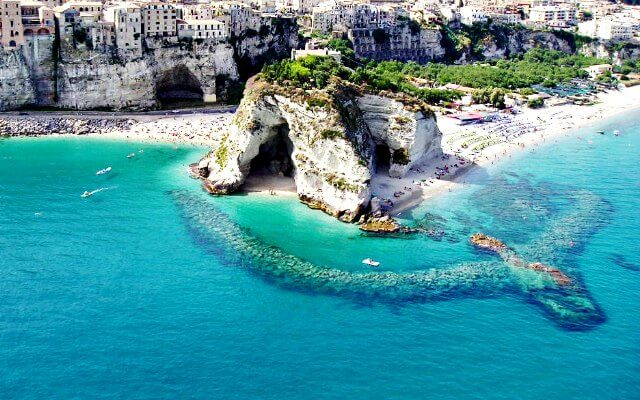 Calabria
Spoleto
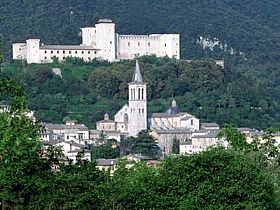
Wedged among woods on a hillside, Spoleto is a nearly perfect medieval city with loads of charm in a beautiful setting. Today's town is a vibrant place with cultural opportunities and a perfect position for seeing central Italy. Spoleto is home to two important annual events - the Two Worlds Festival (Festival dei Due Mondi), a celebration of art, music and theater; and the Spoleto Jazz Festival, which bring people from all over the world. The mingling of cultures and artistic sharing gives Spoleto a stimulating and animated atmosphere.
The town has ancient origins, first inhabited by the Umbri people and then by the Romans. It was developed as a colony in 241 BC and was built up by the Romans as Spoletium. Its strategic position smack in the middle of Italy gave it status and importance and it had autonomy and its own magistrates. There are many traces of the ancients in the streets, including the Arco di Druso, a first-century Roman arch, the Casa Romana, thought to be the home of Emperor Vaspasian's mother, and a well-preserved amphiteathre. The Basilica of San Salvatore is built over the remains of a Roman temple, and the present day Piazza del Mercato rests over the ruins of the Roman forum. The National Archeological Museum displays artifacts from the millennia of history that Spoleto has witnessed.
The compact historic center is a delight to meander. The medieval streets are well-kept and the town maintains its ancient atmosphere. Medieval-era shops line up along narrow streets, still being used by artisans and boutiques. Archways, stairways, balconies, and flower boxes decorate the alleyways. Tucked away are loads of interesting shops, gelaterias, and delectable restaurants where you can sample the areas specialties. Take a stroll along the antique protective walls on Via delle Mure, or meander the charming lanes like Via Monterone, Via Fontesecca and Corso Garibaldi.
The sloping Piazza del Duomo fans out toward the Cathedral, a 12th century church with a uniquely adapted "Umbrian style" Romanesque facade hiding a Baroque interior. The famous frescoes, however, date from the Renaissance, with the delightful cycle by Filippo Lippi depicting the Life of the Virgin in the church's apse, and the acclaimed Madonna With Child by Pinturicchio. A Baroque Madonna With Child and Saints by Anniballe Carracci is also noteworthy.
Spoleto's Art Gallery, known as the Pinacoteca, contains some works by Perugino along with other treasures. The Church of Sant'Ansano has 6th-century frescoes covering the crypt. Don't miss the fancy fountain in Piazza del Mercato adorned with a clock. And the Ponte delle Torri, a 14th-century aqueduct, is a high arched bridge that forms a narrow passage open to pedestrians from the Rocca, a heavy, six-towered fortress that once guarded the city against invaders.
Spoleto has a lively vibe, with lots of interesting sights, nice shops, and great restaurants where you can sample the Umbrian fare, which is bold with the flavors of truffles, porcini mushrooms, salami, sausage, and roasted meats. The wine is well-known - Sagrantino and Montefalco for the reds and Orvieto is a famous white wine from the region.
With its central position at the geographic heart of Italy, Spoleto is close to Umbria's best attractions, like Orvieto, Assisi, Deruta, Todi, Trevi and Norcia.
Have you seen our self-catering apartments in Spoleto?
Explore nearby towns
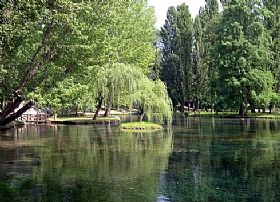
The intriguing village of Campello sul Clitunno sits squarely on the hilltop above the Via Flaminia, just north of Spoleto.
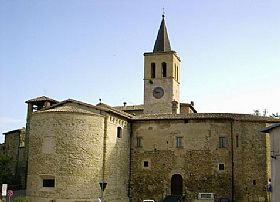
A pretty country town in the hills of Umbria, Castel Ritaldi is in the green heart of the region.
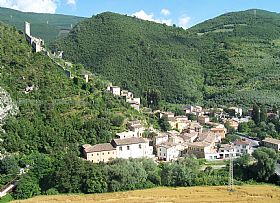
In the Valnerina river valley near Terni, Ferentillo stands in Medieval style surrounded by protective walls.
Been there? Done that? Share your experience and tips!
Haven't visited yet? Have questions about Spoleto? Ask them here!