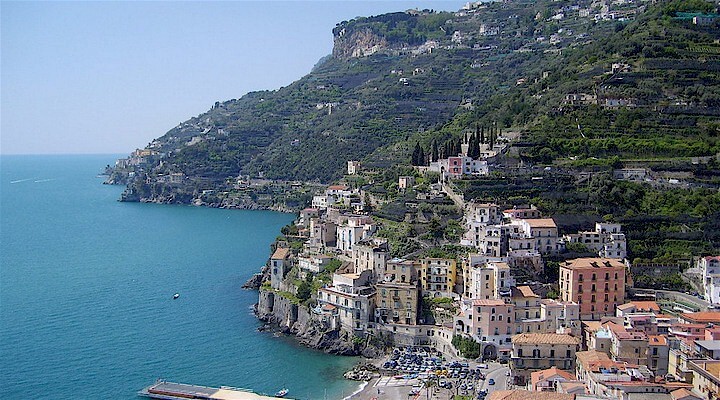
 Amalfi Coast
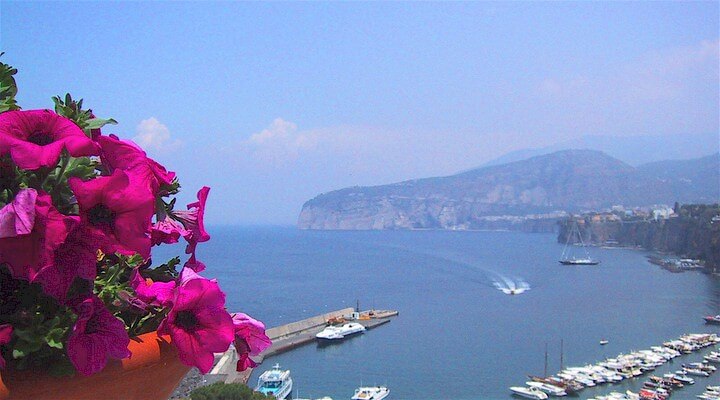 Sorrento Coast
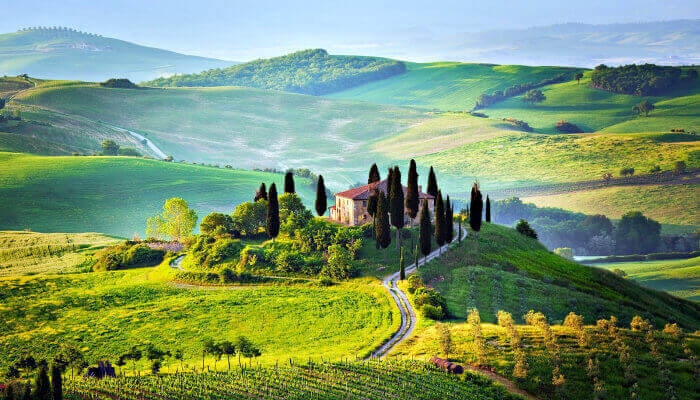 Tuscany
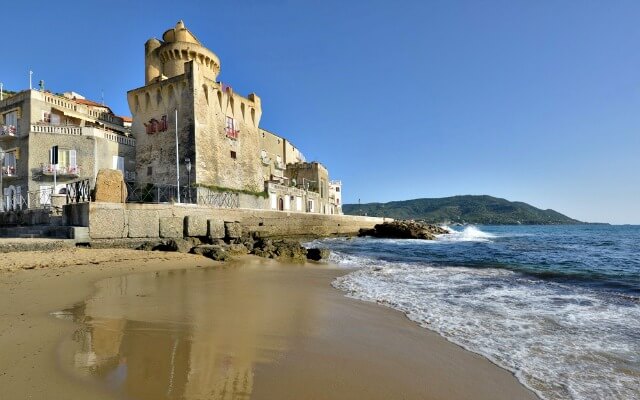 Cilento National Park
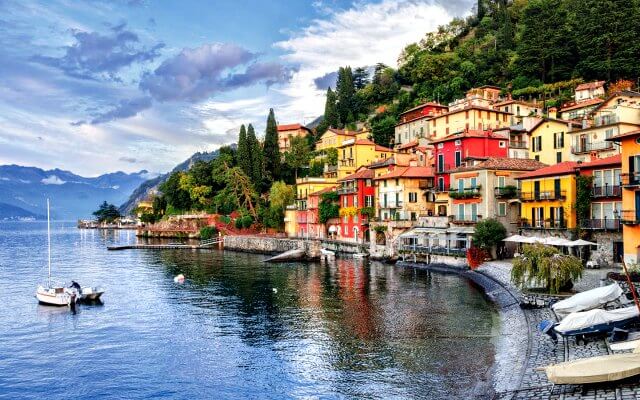 Lake Como
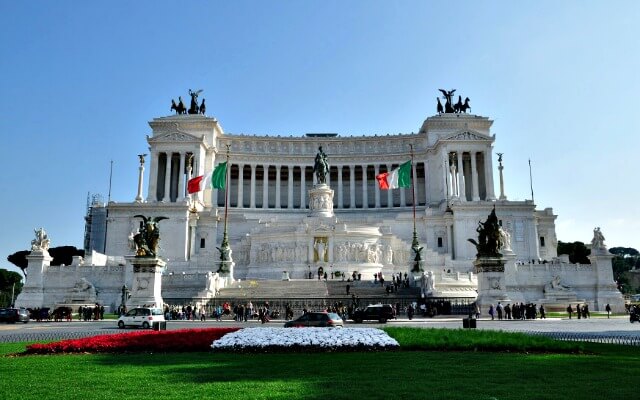 Rome and Latium
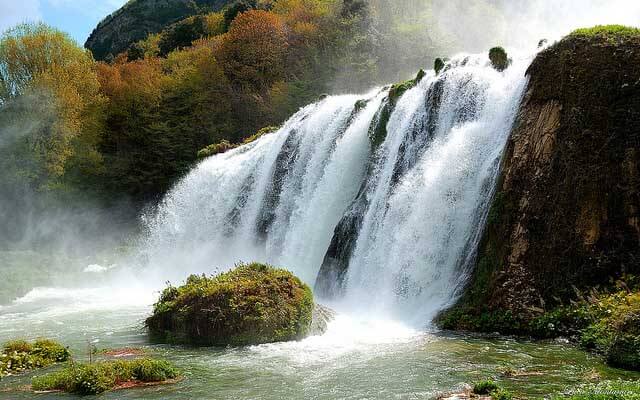 Umbria
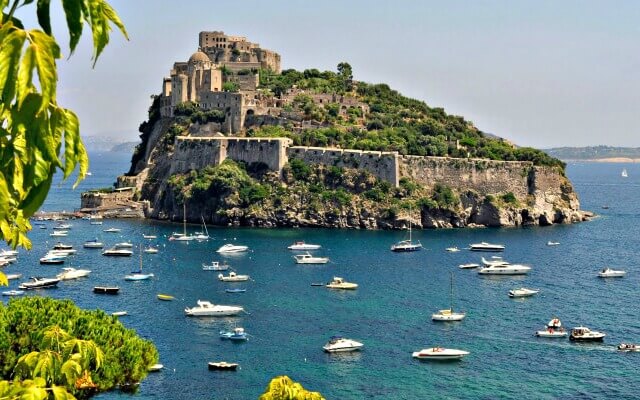 Capri and Ischia
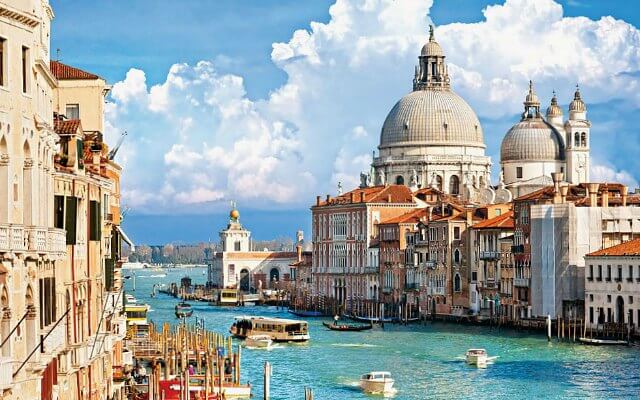 Venice
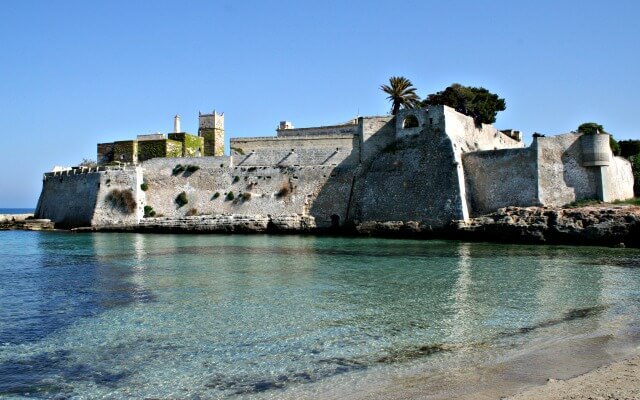 Puglia (Apulia)
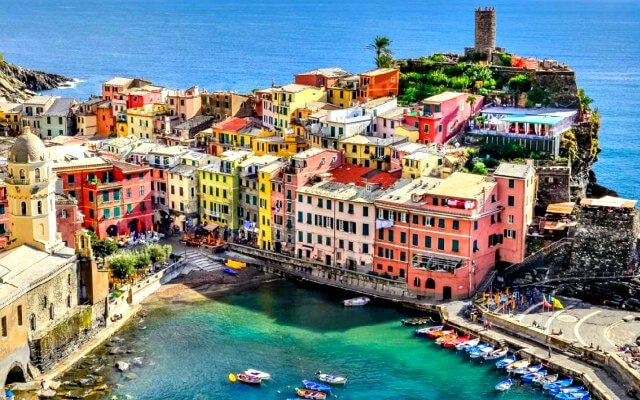 Liguria
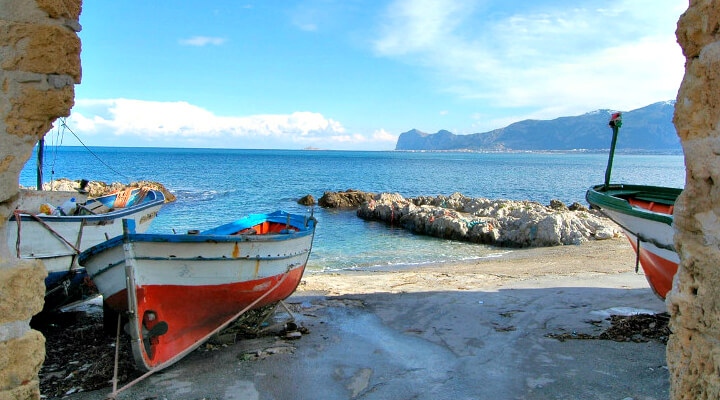 Sicily
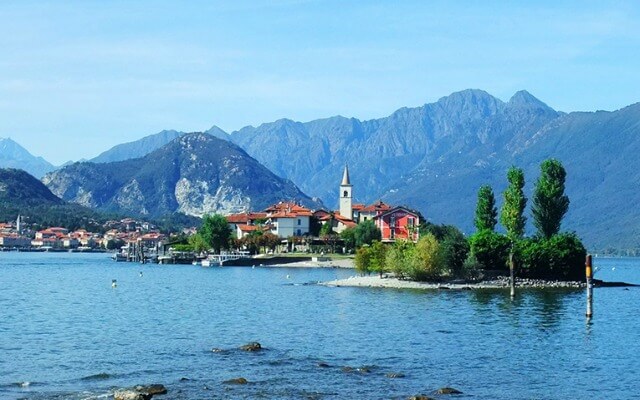 Lake Maggiore
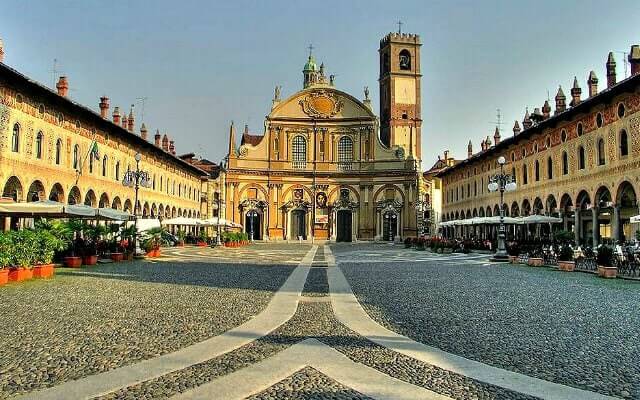 Lombardy
 Sardinia
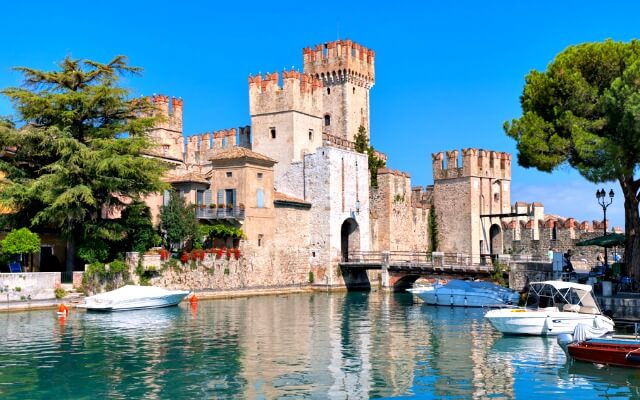 Lake Garda
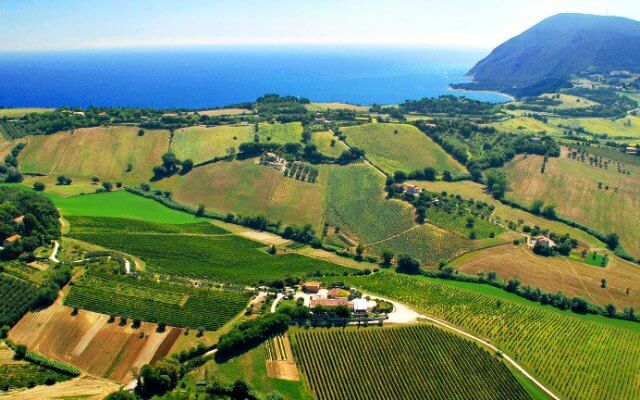 Abruzzo and Marche
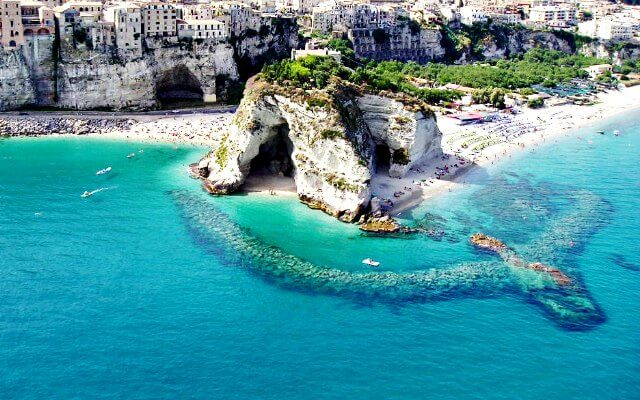 Calabria
San Giuliano Terme
San Giuliano Terme is an important village-spa near Pisa, rich in architectural monuments and next to a vast nature reserve. Important crossroads between Pisa and Lucca, San Giuliano Terme winds among the valleys of river Arno and river Serchio, from the evoking artistic and environmental beauties of Mount Pisano to the splendid estate belonged to the republic presidency in the Park Migliarino San Rossore Massaciuccoli.
This lovely territory has been inhabited from the Stone Age. The village boasts certain Etruscan traces, called Castellieri: ancient calcareous caves used as houses. The Romans organized the area in centuries, land divisions into squared lots, delimited by streets or canals. The Pisan district of Caldaccioli – from the Latin "Calidae acquae" - shows the ruins of Roman canals, whose thermal waters flowed to the Baths of Nero. Unfortunately, after the Roman domination we do not have exhaustive information, even though it seems that from the VIII to the XIII century, the whole Mount Pisano experienced a great spiritual fervour. The most important religious settlements were in Asciano (monastery of Mirteto), Pugnano (Monastery of St Paul, Parish Church of St Maria and St Giovanni) and the splendid Romanesque parish church in Rigoli. The beautiful monastery of Rupe Cava, reachable from Ripafratta, dates back officially to 1224, when the church was consecrated, but it is certainly older.
At the beginning of the XIV century, San Giuliano suffered alternating vicissitudes, passing under the rules of Lucca (and the Guelphs) and Pisa (and the Ghibellines). That age saw the building of numerous fortresses. The Rocca of Ripafratta used to be the fulcrum of local sighting system. It was supported by three towers: Tower of Centino and Tower Niccolai (both 17 metres high) and the Tower Anonima. When the Republic of Pisa was defeated by Florence in 1406, the thermal hamlet became part of the Grand Duchy of Tuscany.
Cosimo De' Medici, as Duke of Florence, wanted San Giuliano to be linked up to Pisa; the marshes around to be drained and an aqueduct to bring potable water from the Valley of Fonti to Asciano and Pisa. In 1737, under the rule of Lorena's family, there were built the marvellous edifices that still adorn and compose the thermal baths, as well as the church dedicated to the saints Ranieri and Luigi. It was passed a relaunching plan in order to value and promote the therapeutic efficacy of thermal waters. Qualified doctors were charged with the tasks to write detailed reports about their properties, and privates were encouraged to build up houses and shops nearby.
From the XV century, important Pisan and Florentine families had their stunning vacation villas built here, to fully enjoy climate mildness and beauty of nature. The village of San Giuliano became more and more popular and well-known, so that people like Vittorio Alfieri, Michel de Montaigne, George Gordon Byron, Luigi Bonaparte, Paolina Borghese, Gustav III of Sweden, Percy Shelley, Giorgio IV stayed at the spa to testify their fame.
The agricultural and breeding sectors had a great development, since the beginning of 1900. San Giuliano, along with the nearby village of Pontasserchio, experimented the "fair-market" (to taste and buy local products), following a nineteenth-century tradition, which is still alive and liveable every 24th August and 28th April.
During the last decades San Giuliano has rediscovered a tourist vocation, focused on a high environmental and life quality re-qualification, accompanying the Spas prestige and important events like Settembre Sangiulianese and Agrifiera, which makes it a precious pearl.
Rent a holiday house in Tuscany and travel like a local.
Explore nearby towns
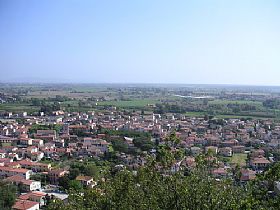
Located north of Pisa, Vecchiano sits on the banks of the Serchio River near the Mediterranean Sea.
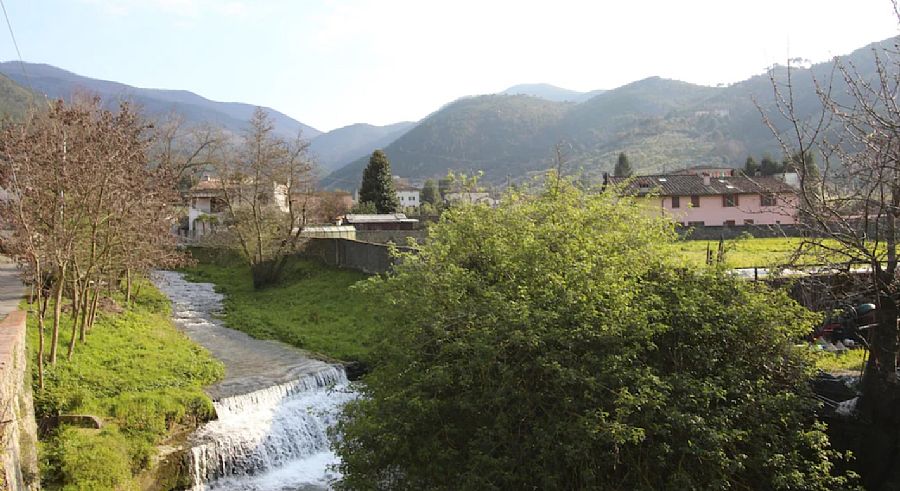
The hamlet is a frazione of Capannori in the Lucca hills, where beautiful vistas and outdoor trails abound.
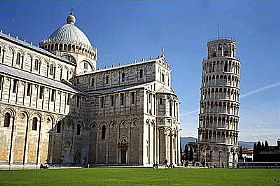
Pisa is renowned town in Tuscany, famous for a certain tower, but is home to many other beautiful things, as well.
Been there? Done that? Share your experience and tips!
Haven't visited yet? Have questions about San Giuliano Terme? Ask them here!