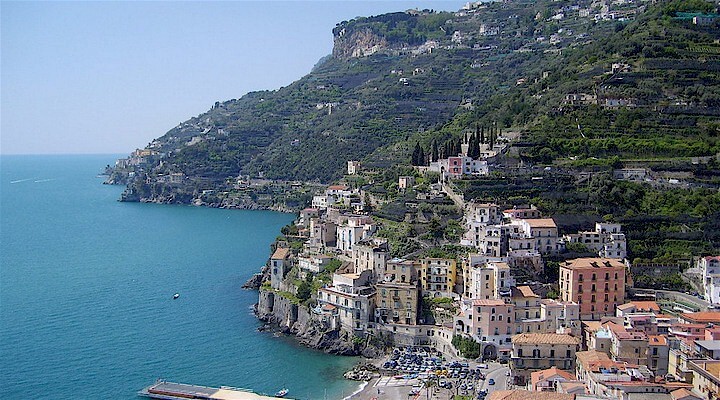
 Amalfi Coast
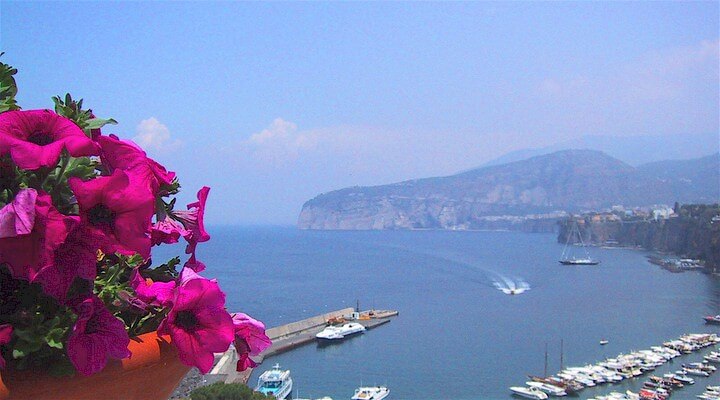 Sorrento Coast
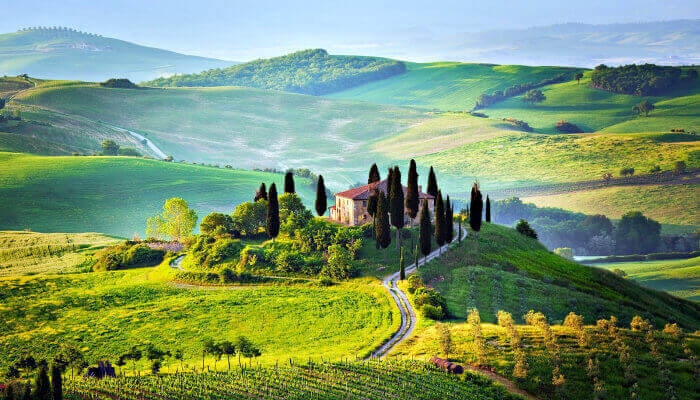 Tuscany
 Cilento National Park
 Lake Como
 Rome and Latium
 Umbria
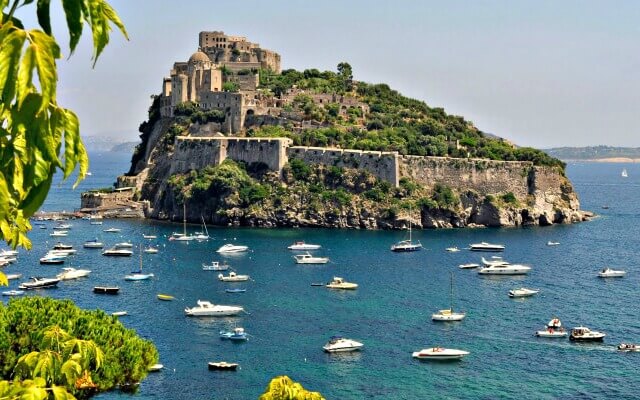 Capri and Ischia
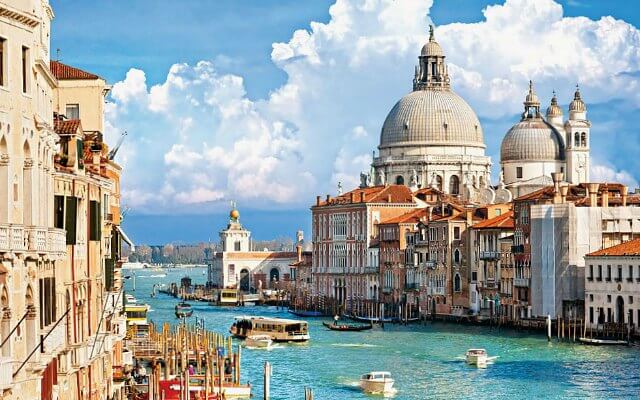 Venice
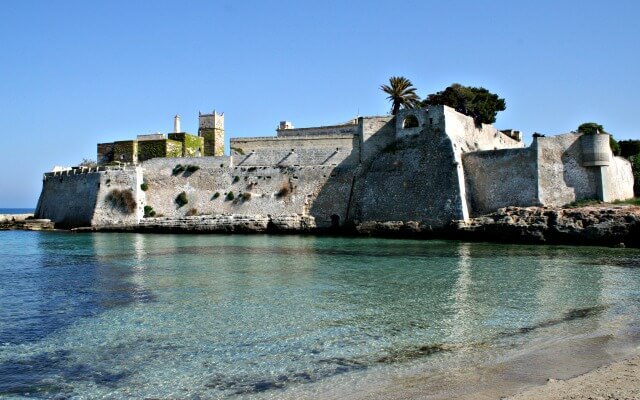 Puglia (Apulia)
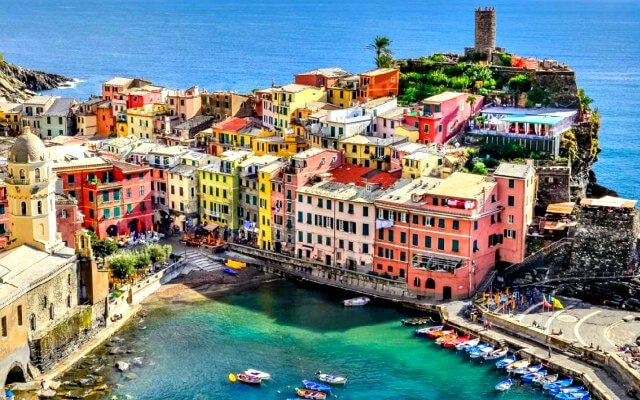 Liguria
 Sicily
 Lake Maggiore
 Lombardy
 Sardinia
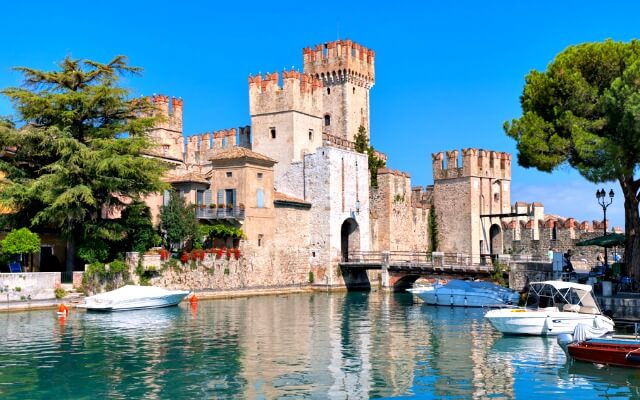 Lake Garda
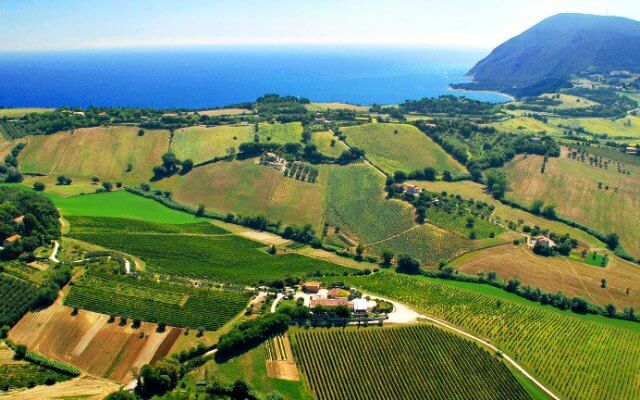 Abruzzo and Marche
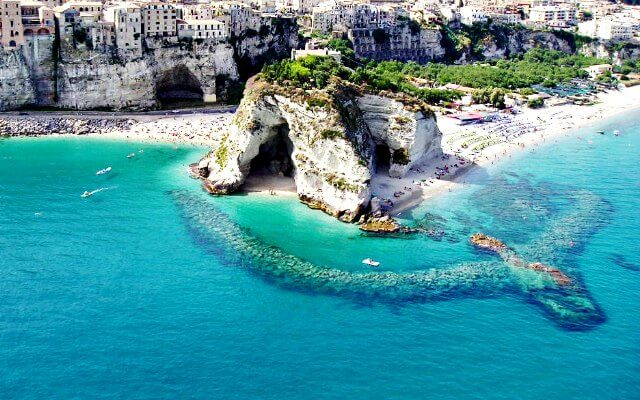 Calabria
Como
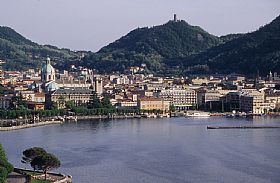
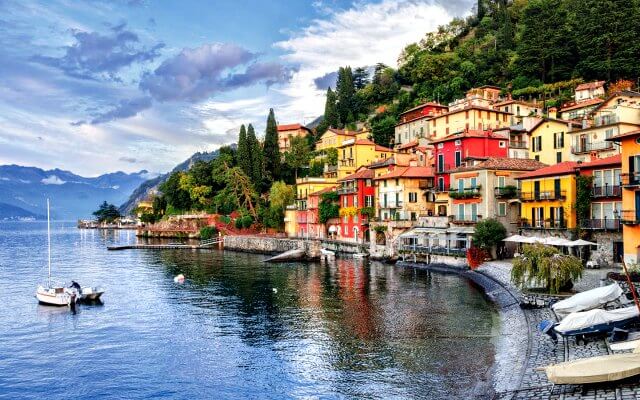
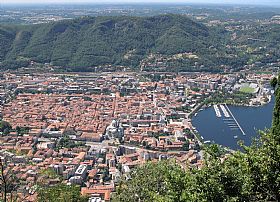
The elegant and bustling town of Como is the primary and commercial center for Lake Como. Grand villas, palazzi, and churches show the city's splendor, while intriguing lanes and colorful piazzas show off its charm. Situated on the lakeshore, it has a marina and a hydroplane "airport" along with its ferry port. Stroll on the promenade and enjoy the views. The city is a cultural hub with plenty of things to do, concerts, shows and museums to explore. Of course, if you prefer to swim in the lake, enjoy the water sports, or take a hike in the hills, they're all right there!
Como is the silk center of Italy, so don't miss the Silk Museum, which highlights this tradition. The Tempio Voltiano is a neoclassical monument to Alessandro Volta, Como physicist who invented the modern battery, among other accomplishments in electrical current. The Civic Art Gallery (Pinacoteca Civica) is housed in Palazzo Volpi and contains a hefty arrangement of paintings, sculptures, a lapidary collection, modern art and abstracts. The History Museum Giuseppe Garibaldi is dedicated to the history of the Risorgimento -the unification of Italy under the Savoy dynasty- and has an impressive collection of uniforms, weapons, furnishings and manuscripts related to that movement, along with textiles, ceramics and other displays related to the history of Lake Como over the past few centuries. The Archeological Museum contains a wealth of artifacts from the Bronza Age, Iron Age, Magna Grecia, Roman era and Egyptian culture. The lovely and moving Monument of the European Resistance is a sculptural tribute to those involved in the underground network of Nazi and Facist resistance during WWII.
Como's crowning jewel is its Duomo, a stellar cathedral that was started in 1396 and constructed over the course of four centuries! It has a lovely blend of styles through those years, including Gothic, Renaissance and Baroque. Frescoes, paintings, stained glass and sculptures decorate the vast interior. The Broletto is a building dating to 1215 with a Gothic facade in marble, now the home of the Town Hall and the civic theater, which hosts exhibits. The charming Piazza San Fedele retains its medieval character, and is dedicated to Como's patron saint. Several grand villas remain, too. There is a nice public park at the Villa Olma, while Villa d'Este is now an elegant hotel and Villa Erba hosts art exhibits and musical concerts.
A must during any visit is the Como-Brunate funicolare, a steeply inclined railcar ride that takes you up to the village of Brunate, where you'll have gorgeous sweeping views of the lake, the mountains and the plains of Lombardy beyond.
Explore handpicked holiday lettings in Lake Como.
Explore nearby towns
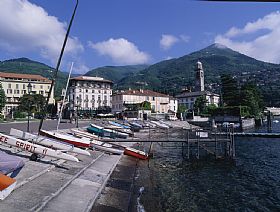
On the slopes of Monte Bisbino, the small garden city of Cernobbio is encircled by fine stately villas scattered around the surrounding green hillside.
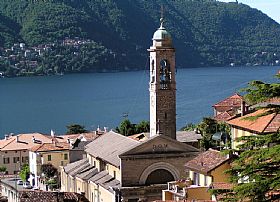
Moltrasio sits lazily on the west bank of Lake Como's western branch, upstream from the city of Como.
Been there? Done that? Share your experience and tips!
Haven't visited yet? Have questions about Como? Ask them here!