
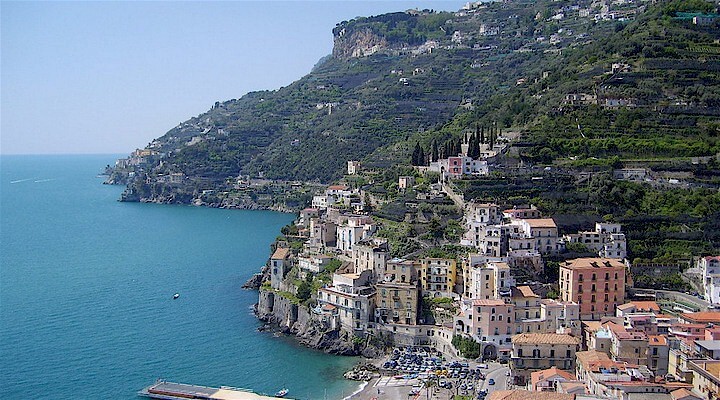
 Amalfi Coast
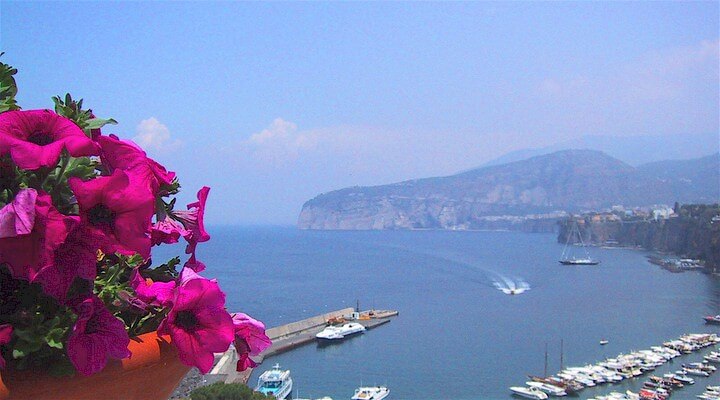 Sorrento Coast
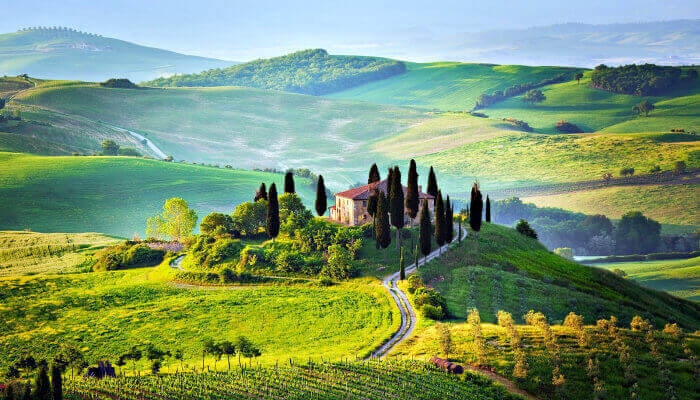 Tuscany
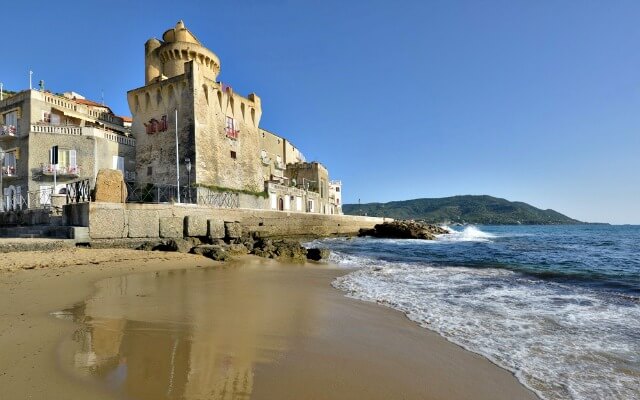 Cilento National Park
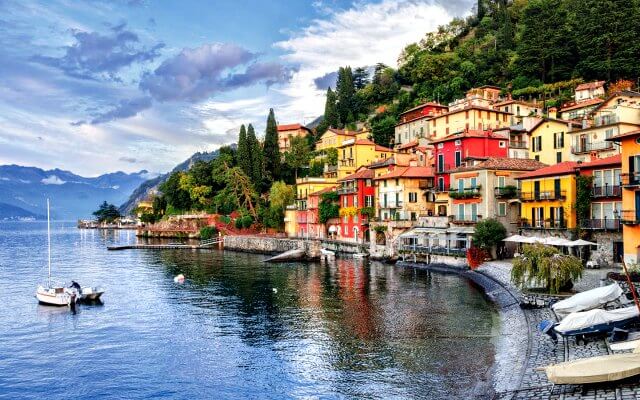 Lake Como
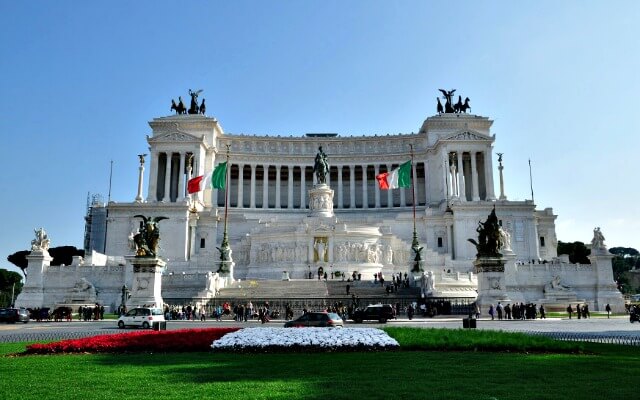 Rome and Latium
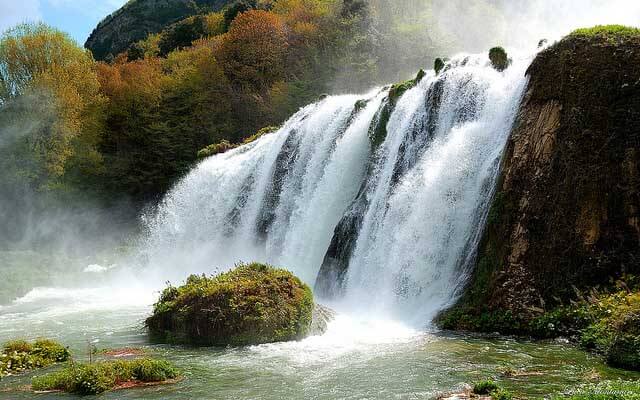 Umbria
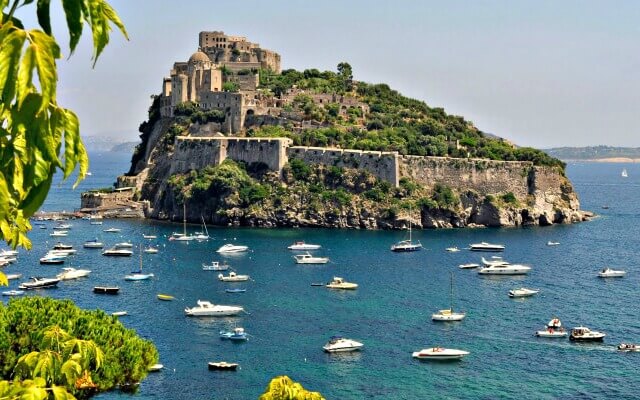 Capri and Ischia
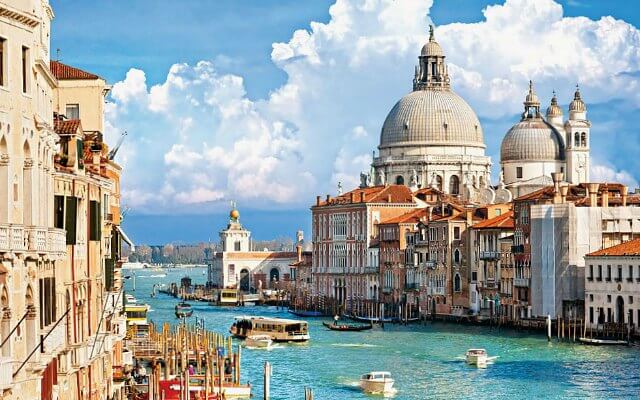 Venice
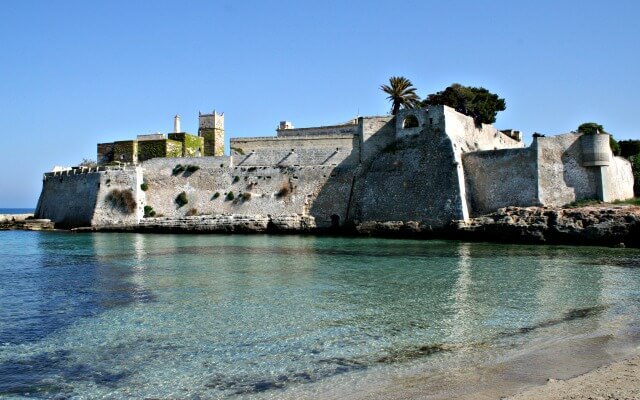 Puglia (Apulia)
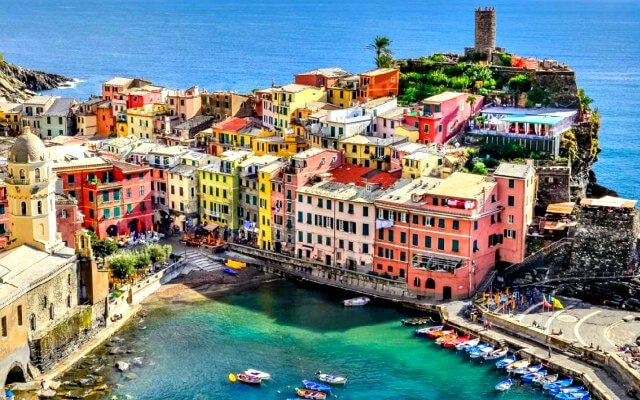 Liguria
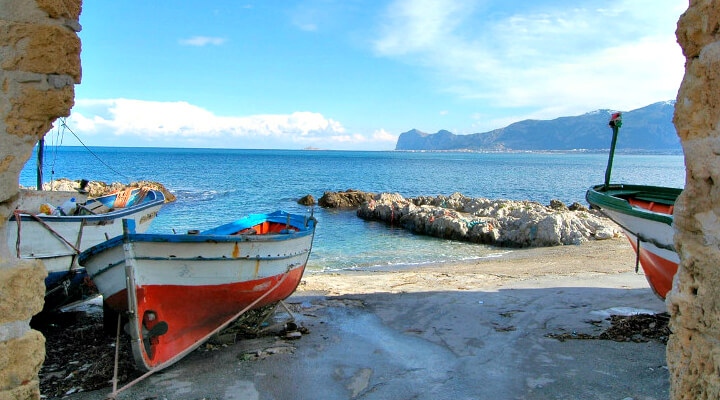 Sicily
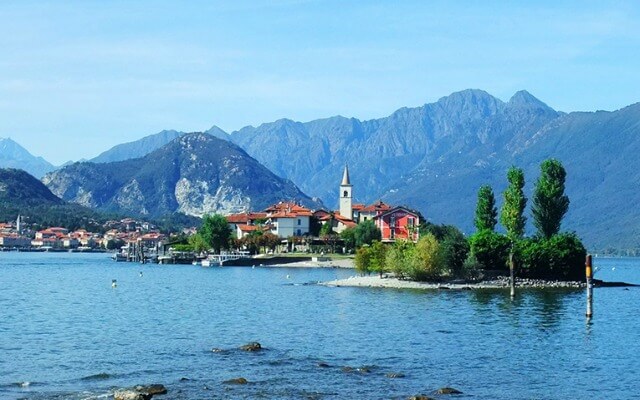 Lake Maggiore
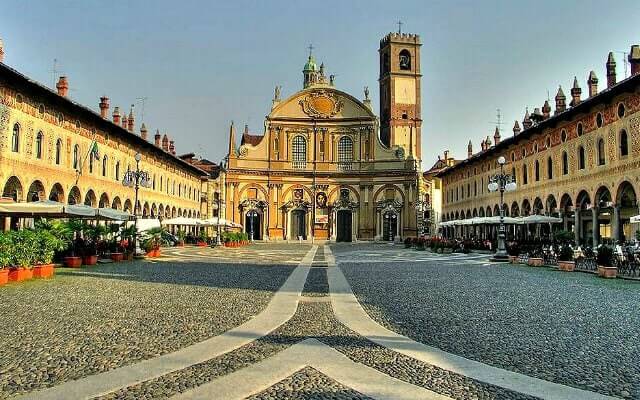 Lombardy
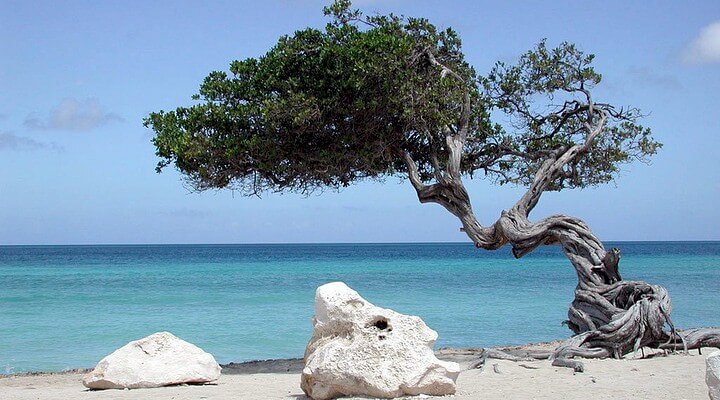 Sardinia
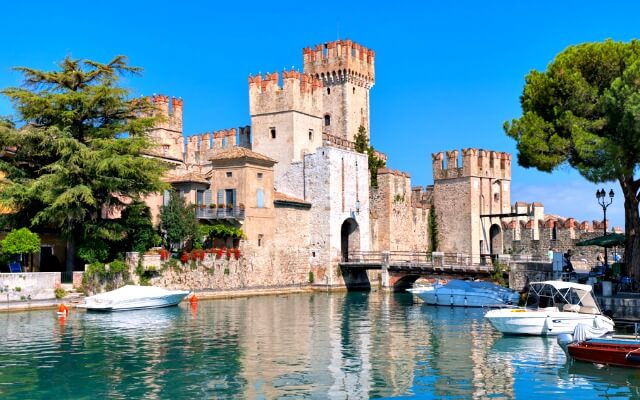 Lake Garda
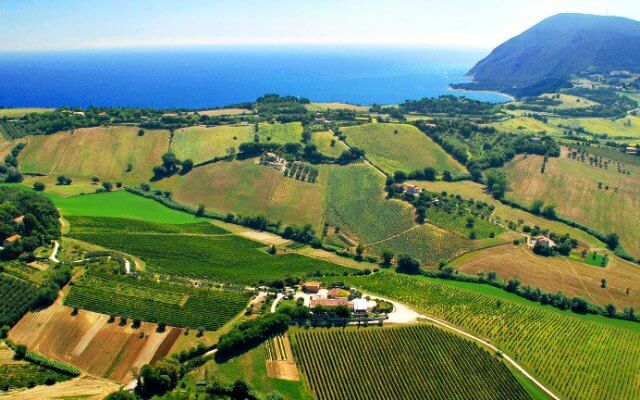 Abruzzo and Marche
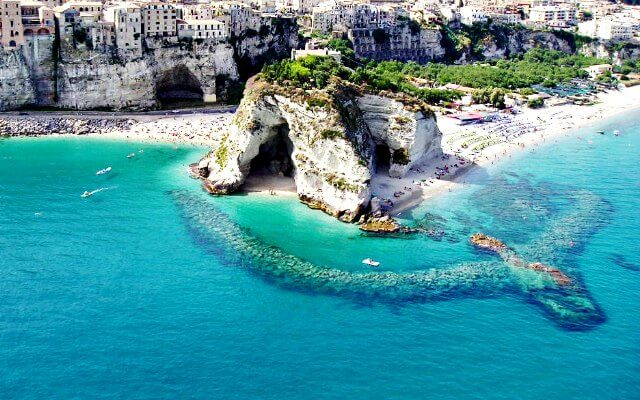 Calabria
The Colours of Tuscany, from Arezzo to Sansepolcro
Our itinerary starts from Arezzo and takes you through beautiful scenery and history-filled towns on the way to Sansepolcro. Arezzo is dominated by the warm ochre color of the sandstone used to build most of the local monuments. Set in the geographic junction between three rivers - the Arno, Tiber and Chiana- it's a fascinating city with lots of interesting attractions (for a more detailed description, have a look at our Travel Guide section).Our itinerary starts from here, inviting you all to hop in your car and enjoy an unforgettable trip around this lovely region. Once out of Arezzo and the Val d'Arno, there is a pleasant alternative route along secondary roads rather than autostradas, going over the green hills at the foot of Alpe di Poti - take that one towards Anghiari, reaching the Val Tiberina side. (Tiber River Valley)
Little by little you will realize you're in a special part of Tuscany, along the borders of the regions of Romagna, Marche and Umbria, a very important cultural, culinary and linguistic crossroads of central Italy. If you understand a bit of Italian or simply can distinguish the shades of accents, you will notice the differences, along with a distinct landscape and the huge presence of oaks and chestnuts. After following the National Road SS 71 until Ponte della Chiassa, the provincial road towards Anghiari crosses the Scheggia Pass and reaches a fork that goes right towards the Parish Church of St Maria alla Sovara (26 Km - 16 miles). The Romanesque Church is splendid, a simple country church with perfectly preserved lines, defined by cypress trees - very "Tuscan". Descend a short slope near the church you will be able to admire the pretty hamlet of Anghiari (3 Km - 1.8 miles), built up all along a ridge, overlooking the valley of the Tiber River (the Tevere in Italian).
The beautiful village was built around an old abbey dating back to the XII century; the historic centre offers great views, narrow, charming, and steep alleys, as well as the National Museum of Palazzo Taglieschi (open Tuesday to Saturday, from 8.30 am to 7 pm – Sunday and bank holidays, from 9 am to 1.30 pm). This stunning Museum has preserved many statues, paintings, furnishing, and majolicas belonging to the noble family Della Robbia - including a ligneous Virgin, painted by Jacopo della Quercia, that is truly sweet and beautiful.
In front of the noble palazzo's façade, history and military art buffs can visit the exhibition dedicated to the Battle of Anghiari (in which the Florentines beat the Milanese troops, in 1440). You will enjoy one of the most spectacular views of the village, overlooking the valley of Sansepolcro, from the lovely garden and terrace of Giardini del Vicario's wine bar, set in a wide stretch within the 16th-century walls.
Leaving Anghiari, if you take a short detour you can reach the pretty medieval hamlet of Citerna, with lovely old alleys, and then the village of Monterchi. There you can enjoy a break in the small piazza at the foot of the local castle; you can also visit one of the finest masterpieces of the Tuscan Renaissance- the fresco of Madonna del Parto, by Piero della Francesca (1455). It has been recently restored and it is exhibited into the a beautiful hall set up by the town hall, located just outside the village's boundary walls.
Returning to Anghiari, you can carry on towards the birthplace of the Renaissance's most renowned artist. Caprese Michelangelo is where the maestro Michelangelo Buonarroti. was born in 1475. A steep slope leads inside the castle's walls, towards the Casa del Podestà, which houses some good copies of Michelangelo's most important works along with some sculptures, nice to see them in his native home, and the perfect place for a quiet break.
Downhill towards the lake and the viaduct is a bridge over the river Tevere, across which you will access Pieve Santo Stefano, almost totally modern-looking, because of the damage from WWII (it was in close proximity to The Gothic Line). The village does retain, however, a marvelous church with a terra cotta piece representing the Assumption and the Saints, made by famous artist, Andrea della Robbia (1514). Continuing on with the journey eastwards, across the River Tevere, a chain of mountains leads up to the region of Le Marche. A tortuous National Road (SS 258) – following an ancient Roman road – leads you to Badia Tebalda (11,5 Km - 7.14 miles). This charming village has preserved a few ruins of a castle and the parish church of St Michele Arcangelo.
The area that we are visiting is famous for a rare and celebrated bovine species called "razza Chianina" - appreciated and savored by visitors from around the world, thanks to the popular "Bistecca alla Fiorentina". The locals are particularly proud of this unique specialty, and they generously share their cooking tips. Sestino is considered the epicenter of it and you can definitely find the best meat of the whole region there, but the village has surely more than this to offer. The local heritage has its roots in ancient Roman history, and one of the main examples of this history is the enchanting temple dedicated to the emperor Augustus- an astonishing despository of statues and busts is the unique theatre for the lucky visitors to the Antiquarium Comunale in Sestino.
On top of the hill, there is the ancient St Pancrazio Abbey that contains a 14-century image of Christ, and a silent and spectacular Romanesque crypt. Once back at the foot of the Tuscan side of the mountain, Sansepolcro (46,5 Km - 29 miles) is a picturesque break-point. The town offers various tourist attractions, from the museum that homes the splendid Piero della Francesca' s works (the artist was in fact born in Sanse), to the scenic naves of the Duomo. A less-known (but fascinating) museum is dedicated to the history of medicinal herbs. Among noble halls, you will be able to get a clear picture of the oldest traditional medicine.
In September, the locals take part in the Palio della Balestra, traditional competition between local cross-bowmen against those from Gubbio (where there is the sister Palio in May). Held in the large Piazza Torre di Berta, crowds of dozens of participants in medieval costumes mingle with the crowds of the audience, yet the only sound you will hear is the heavy thud of the quarrels into the wooden target.
The itinerary takes you into less-known but fascinating areas of Tuscany.
PS: the itinerary's length is about 158 Km (around 98 miles)
Have you seen our self-catering apartments in Tuscany?
Been there? Done that? Share your experience and tips!
Haven't visited yet? Have questions about The Colours of Tuscany, from Arezzo to Sansepolcro? Ask them here!