
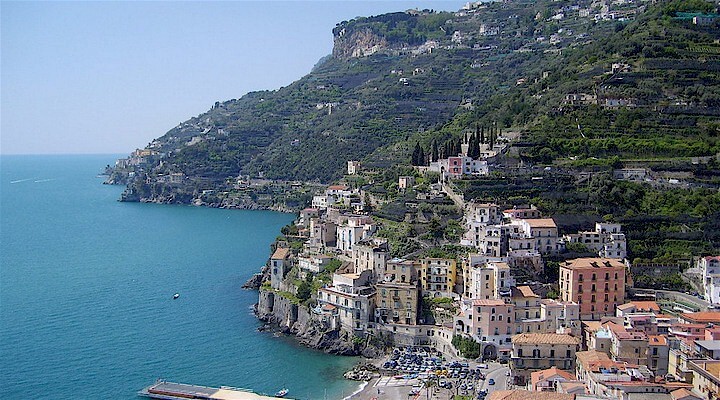
 Amalfi Coast
 Sorrento Coast
 Tuscany
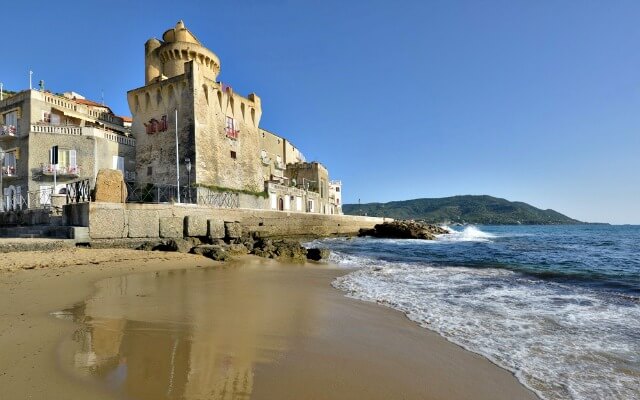 Cilento National Park
 Lake Como
 Rome and Latium
 Umbria
 Capri and Ischia
 Venice
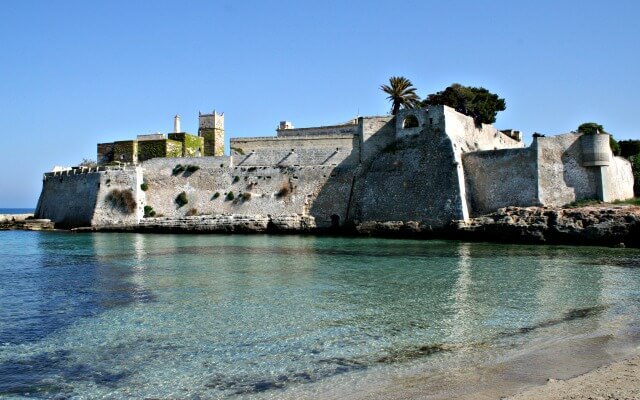 Puglia (Apulia)
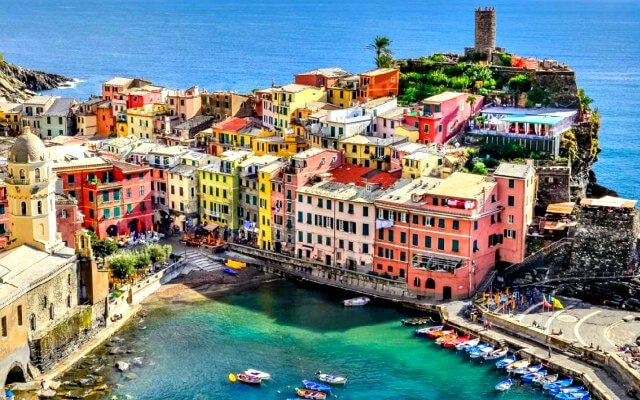 Liguria
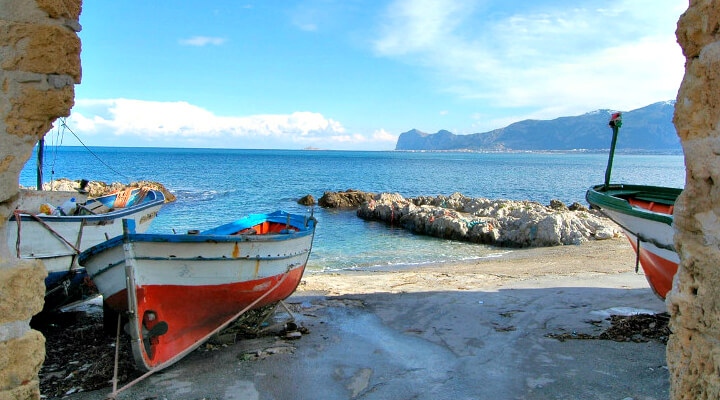 Sicily
 Lake Maggiore
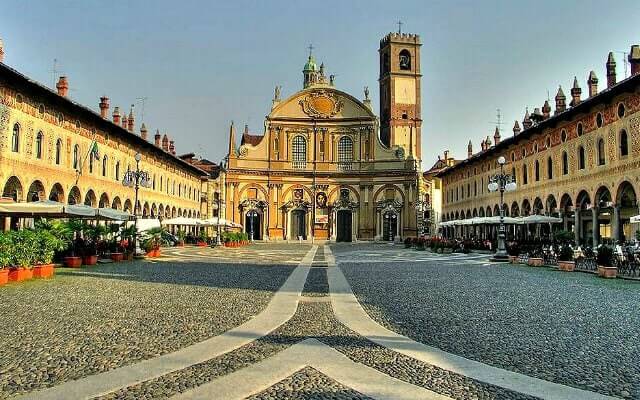 Lombardy
 Sardinia
 Lake Garda
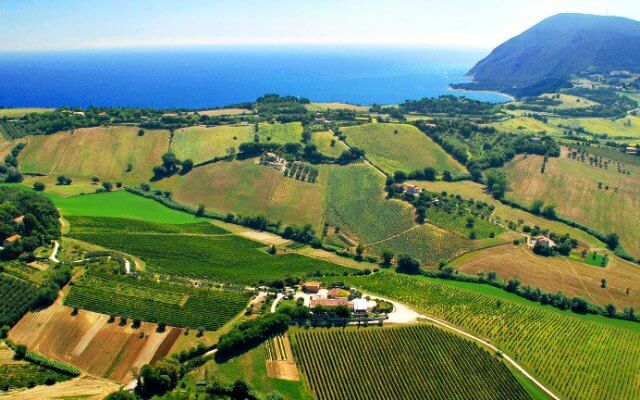 Abruzzo and Marche
 Calabria
Ragù del Portinaio
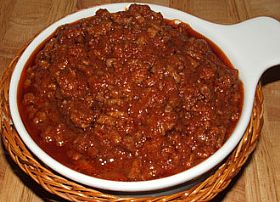
This is a meat sauce, and one with a colorful history, or maybe better to say, legend, attacted to it. One thing is certain: if you don't have much time, click back to the list for a different recipe! This one takes time. A lot of it.
Now, ragu derives from the French word, ragout, and means stewed meat. Around Italy there are two types - that made with ground meat (like your typical "normal" meat sauce) and the other type, which is made with larger pieces of meat, like a roast, ribs, or big chunks of stew meat. This one is the latter, which means it has to cook for a long time. And that's where the color comes in - because they say the name "del portinaio" -the porter, or doorman- means only one with such an easy, undemanding job would have time to watch the long-simmering pot and see this sauce through from start to finish.
Who knows, but this sauce is legendary in the Naples are, where in Neapolitan, it's called 'rrau,' the dialect way of saying ragu. It's the symbol of Sunday suppers, cooked low and slow. This sauce was exulted by Sophia Loren (check out the scene in Sabato Domenica e Lunedi), and by writer, actor, poet Eduardo De Filippo in a poem entitled 'O Rrau". If you have the time to let this sauce simmer, it will make your family or friends very, very happy.
Ingredients
- 1 kg veal stew
- 2 medium size onions
- 6 pork ribs
- 200 gr extra-virgin olive oil
- 1 litre tomato sauce
- 2 TBSP tomato concentrate
- 1/4 litre red wine
- basil
- salt and pepper to taste
Preparation
It will be definitely be better if you start cooking the day before. Heat the olive oil in a heavy-bottomed saucepan over a medium heat. Season each piece of pork with salt and let them brown on both sides. Remove, and do the same with the beef. Add the onions, and saute until golden, add the meats back in to sizzle. Once browned, deglaze with red wine, cover and let cook until the onions 'melt', adding a little more wine or water if needed to keep it from drying out. Then add tomato sauce and bring to simmer. Cover with the lid and simmer for 3 hours stirring every once in a while. Add a little if needed to keep it from getting too thick, sticky, or dry.
You will love it... buon appetito!
Browse carefully selected rental villas in Naples.
Been there? Done that? Share your experience and tips!
Haven't visited yet? Have questions about Ragù del Portinaio? Ask them here!