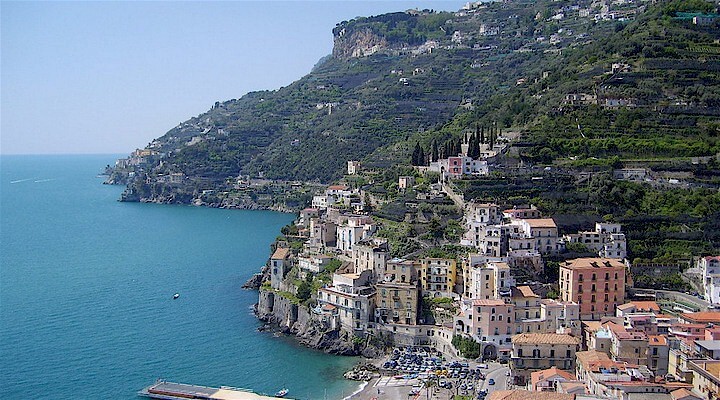
 Amalfi Coast
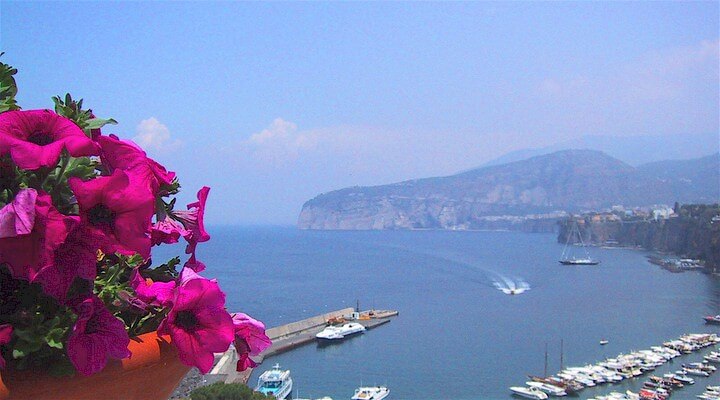 Sorrento Coast
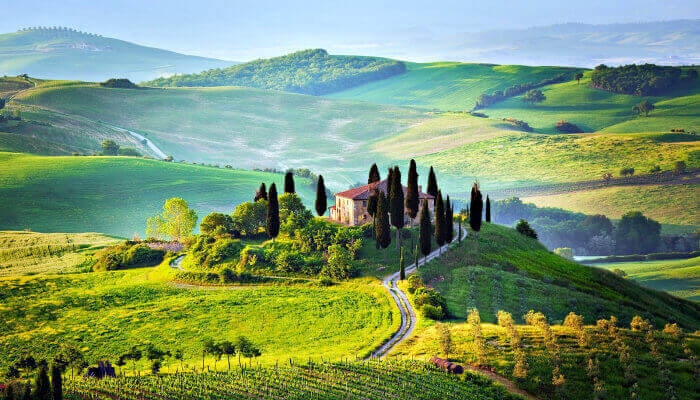 Tuscany
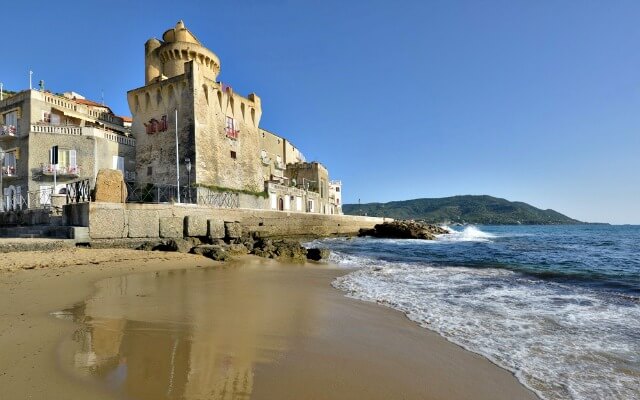 Cilento National Park
 Lake Como
 Rome and Latium
 Umbria
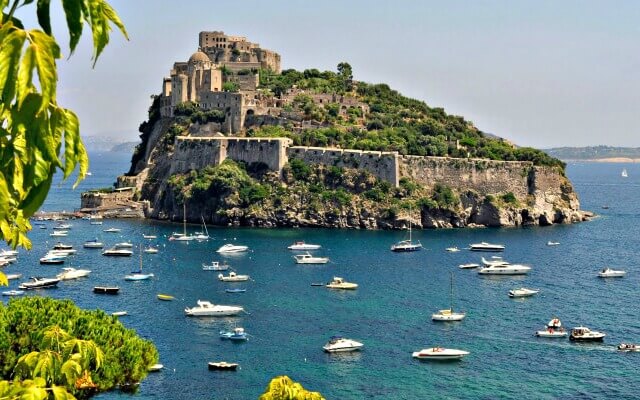 Capri and Ischia
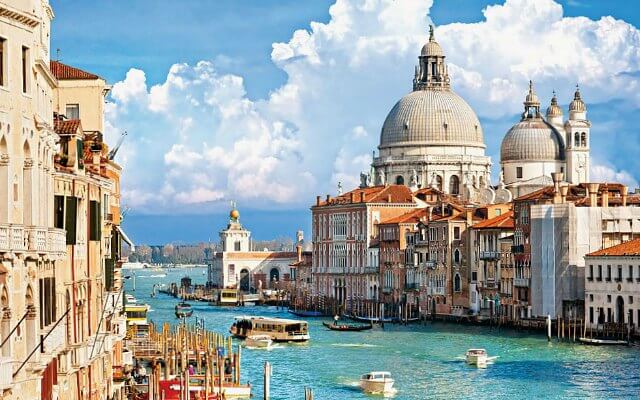 Venice
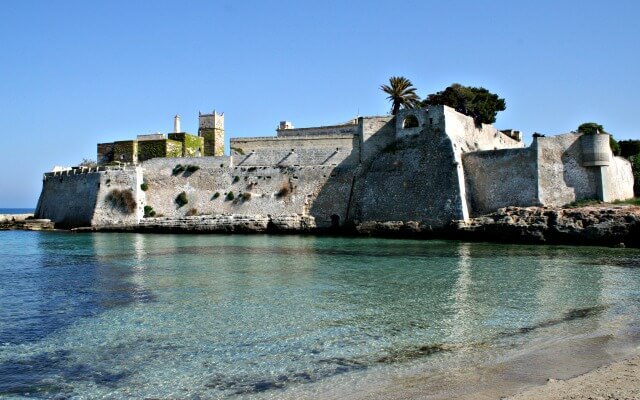 Puglia (Apulia)
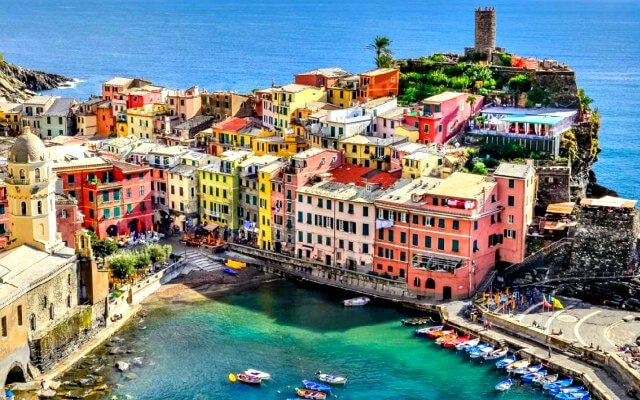 Liguria
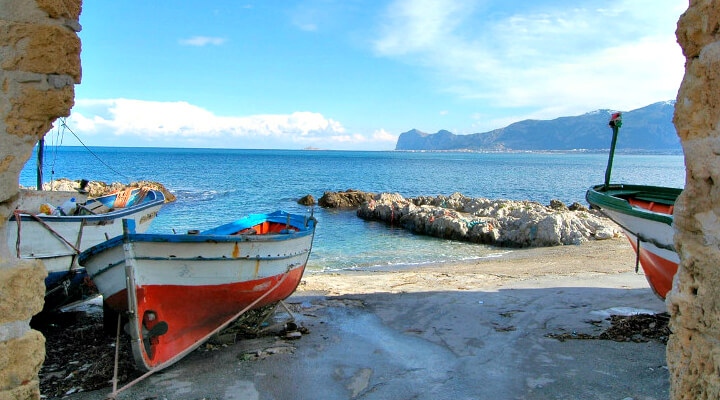 Sicily
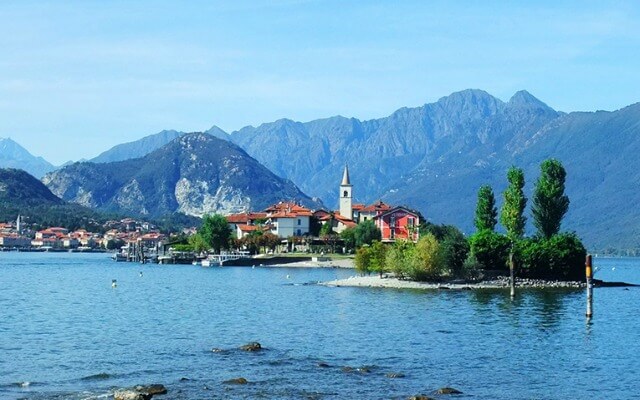 Lake Maggiore
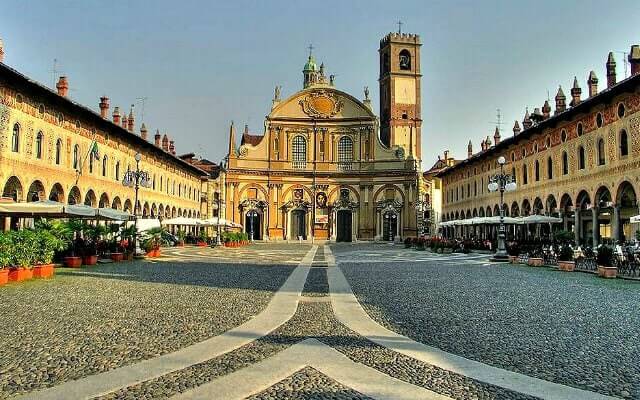 Lombardy
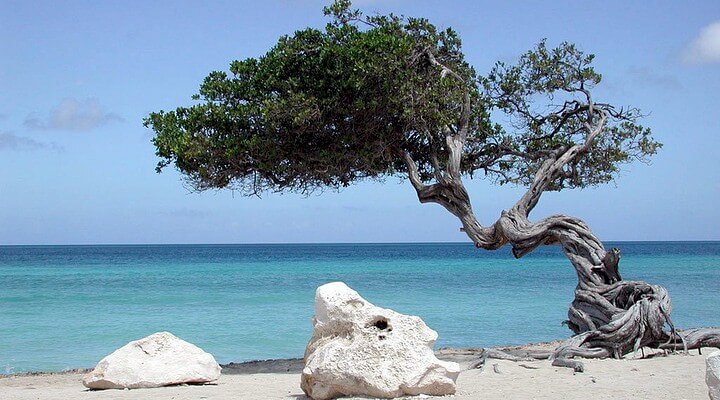 Sardinia
 Lake Garda
 Abruzzo and Marche
 Calabria
Padula
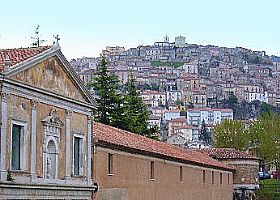
The lovely town of Padula is a placid place now but was once part of the most powerful feudal estates of the Kingdom of Naples. Here, in the the steep mountains of the Cilento, ancient empires passed through and left their mark.
The ancient town was first settled by the Lucani tribe and was situated in a higher and more southern area compared to the current one, called Civita, where excavations proved this land has been populated since the 12th century BC. The Greeks then moved in as the colonies established as Magna Grecia expanded and flourished. Padula was closely tied to Paestum and Velia. It was taken over by the Romans who expanded the area's networks and roads. The Basilian monks moved in later. Padula was destroyed by Saracen incursions but repopulated. It became a center of medieval splendor under the Sanseverino family, who were given authority over it by King Charles II in 1296. They dominated the territory for centuries, enriching Padula with palaces, piazzas, a hospital, housing for workers, churches and civic buildings. They encouraged monastic orders to establish themselves, which brought the Augustinians and Franciscans. The town's most famous attraction is a monastery, the Charterhouse of Padula (formerly known as the Certosa di San Lorenzo). With more than 300 rooms, it is the largest Christian monastery in Europe.
Set in a verdant valley in the heart of the Cilento National Park, Padula is located between the mountains and the Mediterranean Sea. Other important sights include the hermitage of San Michele alle Grottelle, a rustic reflective spot in the rocks, and the Baptistry of San Giovanni in Fonte, a Paleo-Christian complex that housed a baptismal pool fed by a natural spring. It represents the oldest testimony of Christianity in the Salerno province, and is among the oldest baptistries in the world.
The town was the birthplace of Joe Petrosino, a police officer dedicated to quelching the "black hand" Italian-American mafia in New York. There is a museum in his honor in his birthplace and childhood home.
A fun festival is the Frittata delle 1000 Uova (or the frittata of the 1000 eggs!). The August fete is a medieval extravaganza of costumes, crafts and shows that culminates in the giant frittata, a tasty recreation of a celebratory event in the town's history that lauded Charles V on his return from Tunisia in the Middle Ages. Today, it's a fun way to spend a day and get a glimpse of the Old World through its flavors and scents!
Explore handpicked holiday lettings in Cilento National Park.
Explore nearby towns
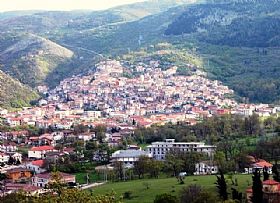
The village of Sassano, close to Teggiano and Sicignano degli Alburni, was born between the 10th and the 12th century.
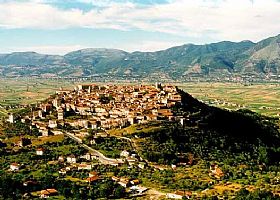
The village of Teggiano is situated 2,090 feet above sea-level, on an isolated peak above the upper part of the valley of the Negro river (the ancient Tanager), in the Cilento National Park.
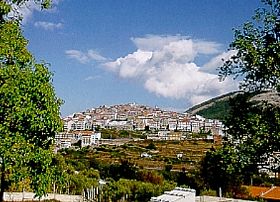
The town of Sanza is in the center of the vast territory of the Cilento National Park, in a beautiful setting.
Been there? Done that? Share your experience and tips!
Haven't visited yet? Have questions about Padula? Ask them here!