
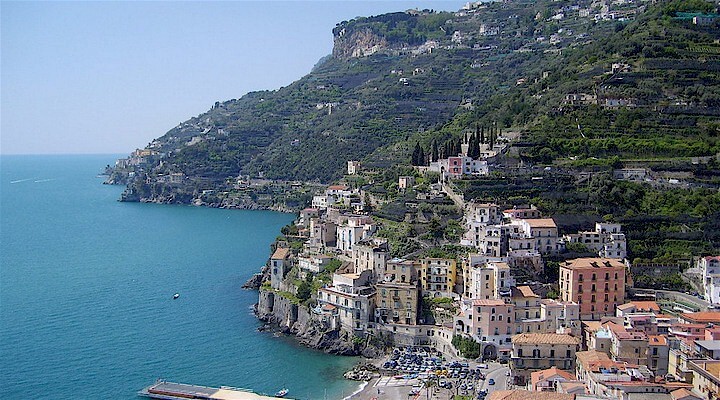
 Amalfi Coast
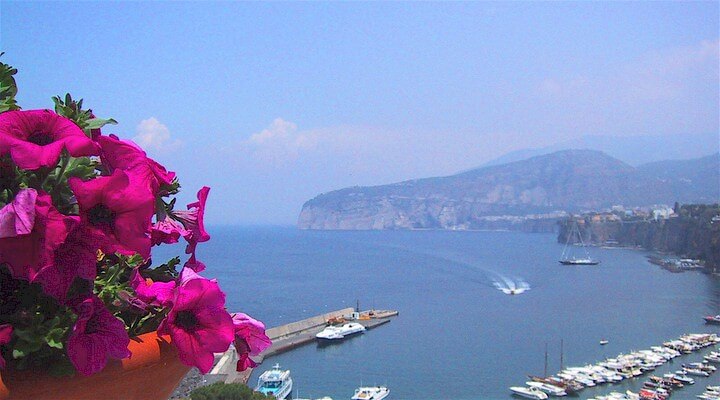 Sorrento Coast
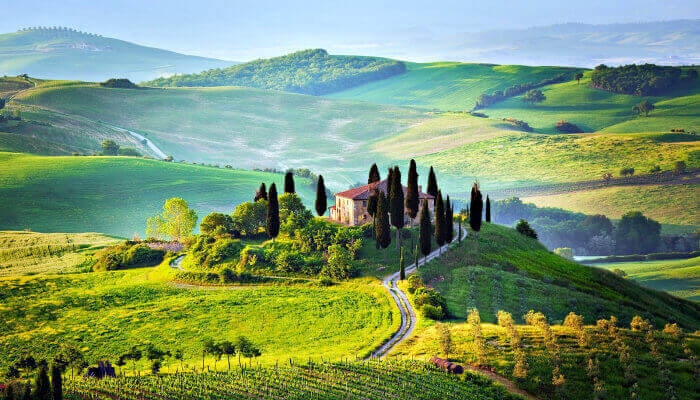 Tuscany
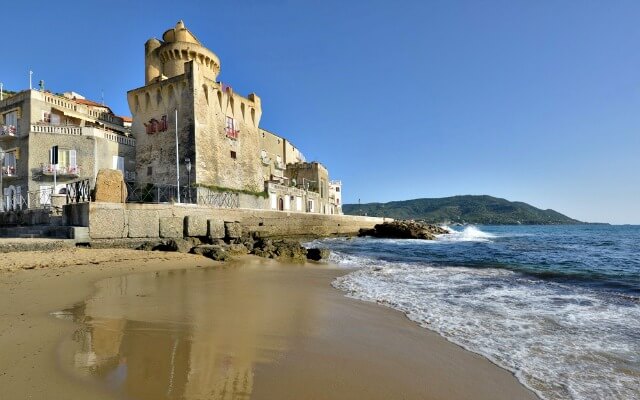 Cilento National Park
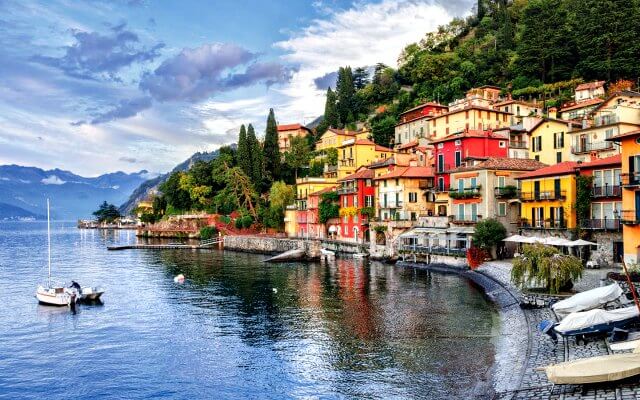 Lake Como
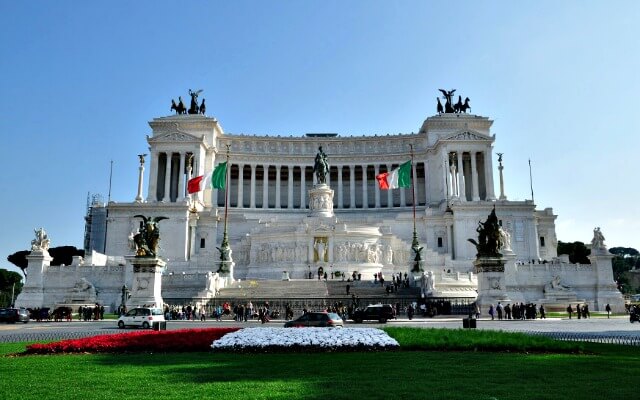 Rome and Latium
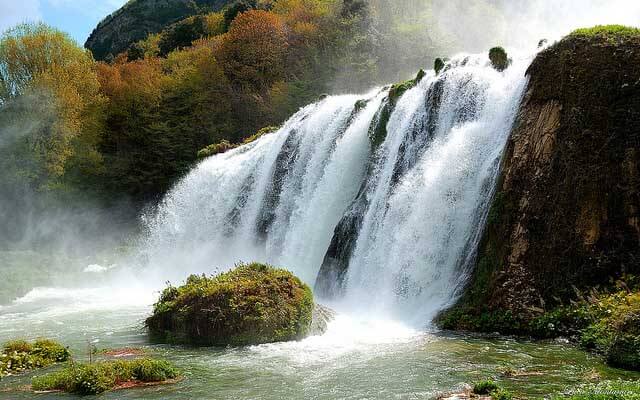 Umbria
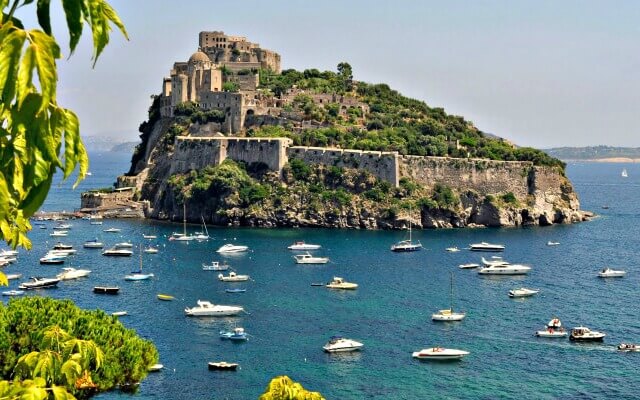 Capri and Ischia
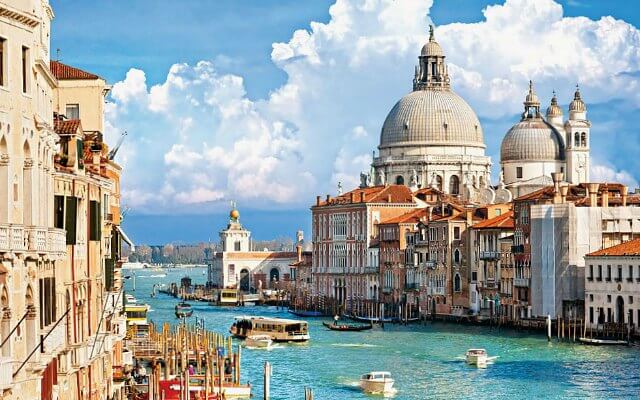 Venice
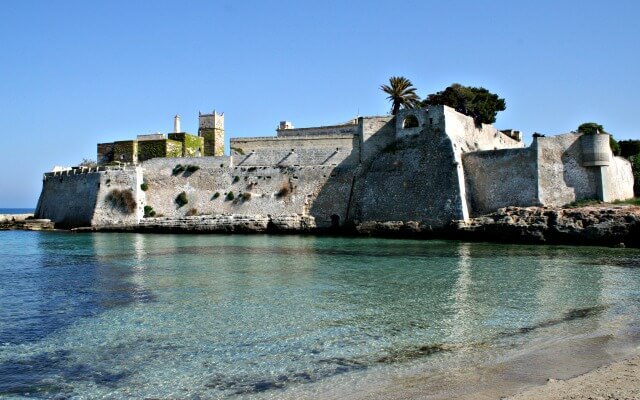 Puglia (Apulia)
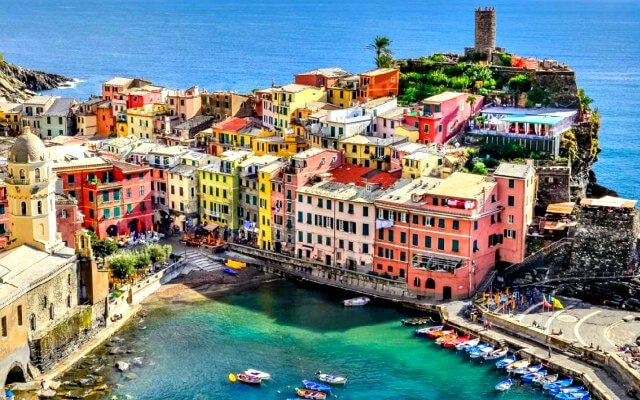 Liguria
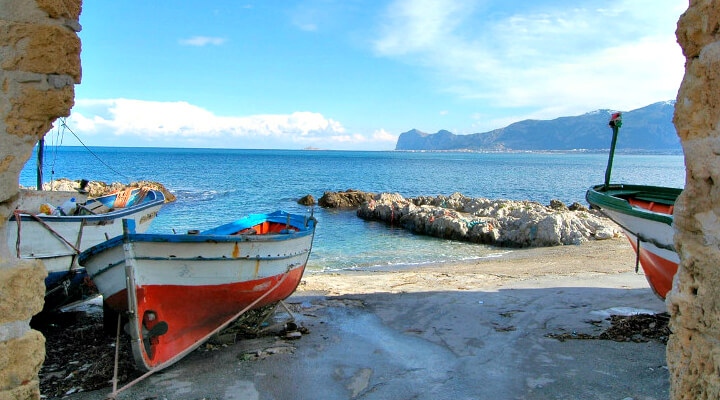 Sicily
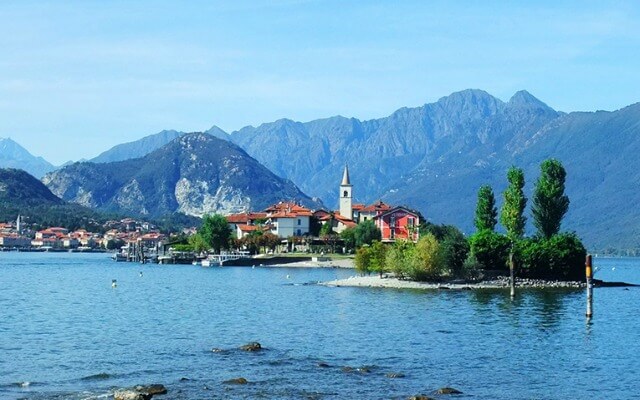 Lake Maggiore
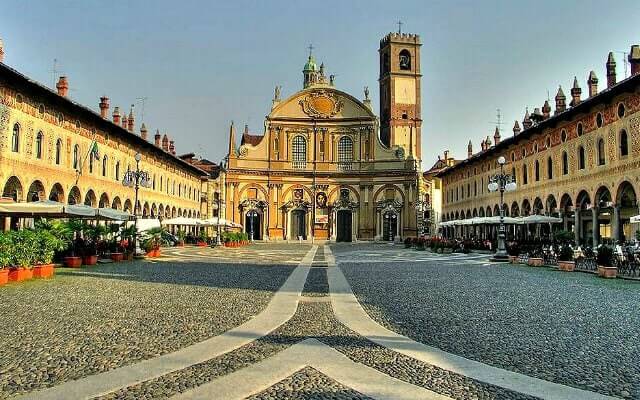 Lombardy
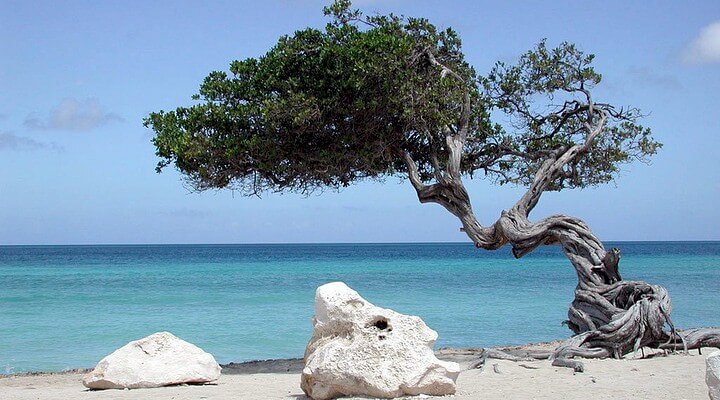 Sardinia
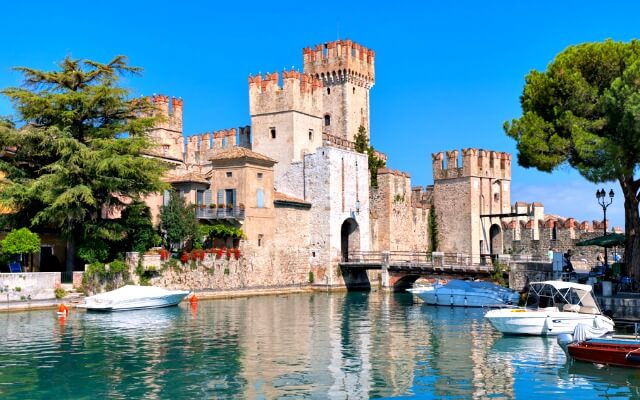 Lake Garda
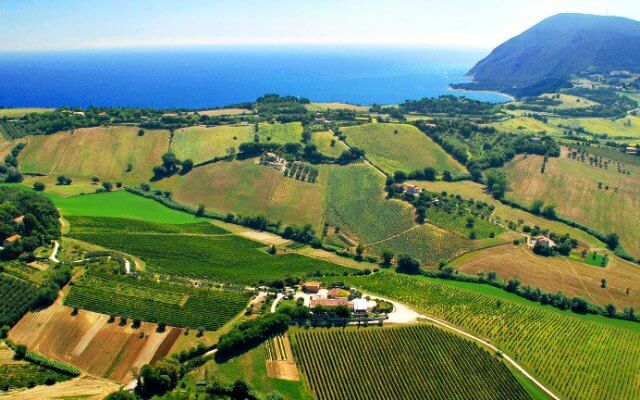 Abruzzo and Marche
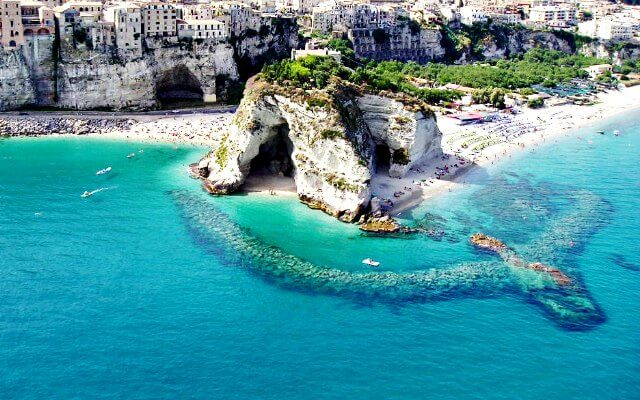 Calabria
Montepulciano
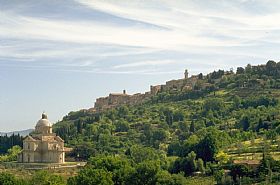
Montepulciano is one of Tuscany's prettiest towns, strung along a ridge at 605 meters above sea level near the border of Umbria. It is surrounded by walls and fortifications designed by Antonio da Sangallo il Vecchio. Montepulciano is well known for its Renaissance buildings and lovely churches, but is especially renowned for the “Vino Nobile” Montepulciano wines.
The town meanders along the crest, with the Corso main street ambling upward, punctuated by the Piazza Grande, the city's primary gathering spot and its civic and religious center. Along the way, the Corso is outlined by palaces and beautiful buildings, line a runway of architectural designs. Montepulciano is classy - it is romantic and rural at the same time, surrounded by idyllic cultivated hills.
Located between the Val d'Orcia and the Valdichiana, it is close to famous towns like Pienza, Montalcino, and Cetona. The hot springs of Chianciano Terme are close-by, and Lake Trasimeno is only about a half-hour away. Siena, Arezzo and Citta della Pieve are all in reach, cities of artistic value worth seeing.
But Montepulciano itself is a gem, with art and architecture to brag about. It owes much of its splendor to the designs of Antonio da Sangallo the Elder who was called on to enrich the town in the 1500s, lending his Renaissance creativity to churches and palaces. The other architect of note came a bit later, Fra Andrea Pozzo, a Jesuit who was on the cusp of the period where the Baroque turned toward Mannerism, his reserved yet classic Baroque decorative styles can be seen in the circular church of Gesu' and the redesigns he did for Santa Chiara and Santa Maria. His masterpiece is the hall in the Contucci palace, a triumph of perspective that makes the room appear enormous with an extending portico (that doesn't exist!)
Piazza Grande is the town's living room, where civic events occur, where people meet. It has been the municipal and religious headquarters for centuries. Here you'll find Palazzo Comunale, the castle-like town hall with a clock bell tower rising the center, reminiscent of Florence's Palazzo Vecchio. Climb the tower for a fantastic view over the Tuscan countryside. In the piazza is a well where citizens once drew water, bearing the Medici coat of arms. The spartan unfinished Duomo is the cathedral, that dates back to the second half of the 15th century, its uncompleted facade oddly out of place in a town with such rich beauty on all the other buildings.The inside has a nave and two aisle, and on the high altar you can see the monumental polyptych, one of the most famous works of the Sienese painter Taddeo di Bartolo.
Palazzo Cappelli has frescoes at the entrance by Zuccari, while the Gothic style Palazzo Neri Orselli is home to the Civic Museum, with artwork by Tuscan and national masters. The church of Sant'Agnese is dedicated to Montepulciano's patron saint, and contains her remains inside. But the most recognizable and charming church is the temple of San Biagio, which rests below town. The enchanting chapel was designed by Sangallo on a Greek cross plan, and was consecrated in 1529. The style is Palladio-type temple that has classic simple decorations and frescoes by Zuccari.
Montepulciano is famous for its noble wine called Vino Nobile di Montepulciano. This high-level vintage is made from Tuscan sangiovese grapes, and there are plenty of wineries where you can sample it. It is also known for a fun event called the Bravio delle Botti, a "palio" that pits the town's eight districts, called contrade, against each other, but instead of a horse race like Siena, they compete by pushing 80-kg barrels uphill for 1.8 kilometers through town! This old tradition was a jovial race with the empty barrels as they were prepared to be refilled with the new harvest. It takes place the last Sunday of August.
Enjoy the comfort of a vacation home in Montepulciano.
Explore nearby towns
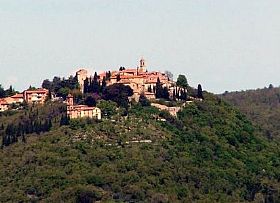
Not far from Torrita di Siena, set on top of a hill between Valdichiana and Val d'Orcia lies Montefollonico, typical isolated Medieval hamlet surrounded by thirteenth-century walls of fired bricks.
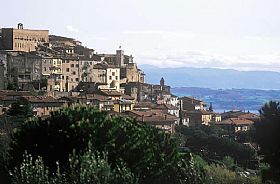
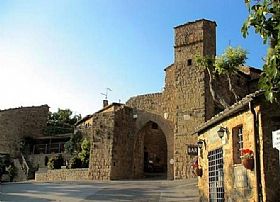
Monticchiello rests on a hill near Pienza, in the provincial countryside of Siena.
Been there? Done that? Share your experience and tips!
Haven't visited yet? Have questions about Montepulciano? Ask them here!