
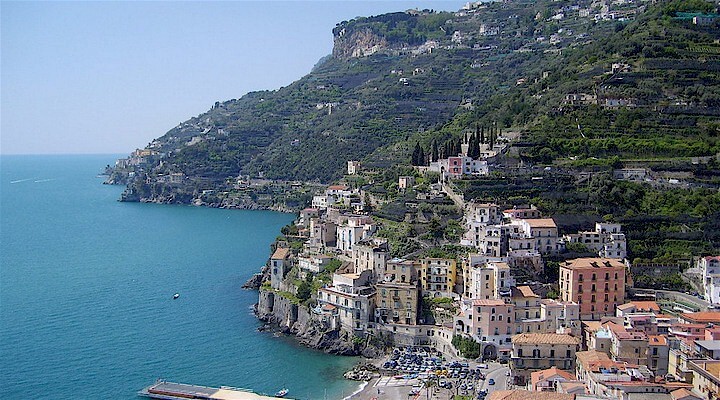
 Amalfi Coast
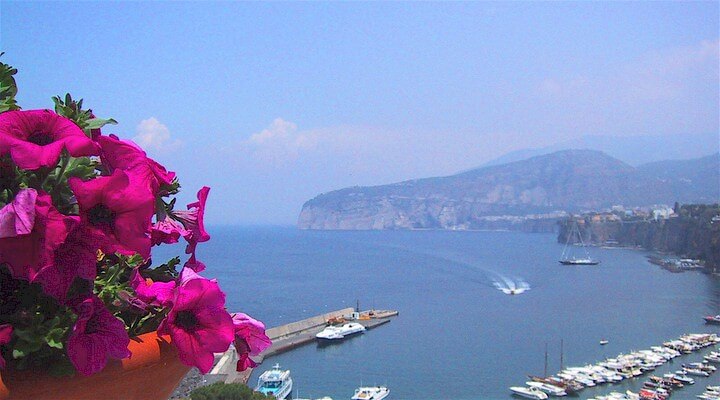 Sorrento Coast
 Tuscany
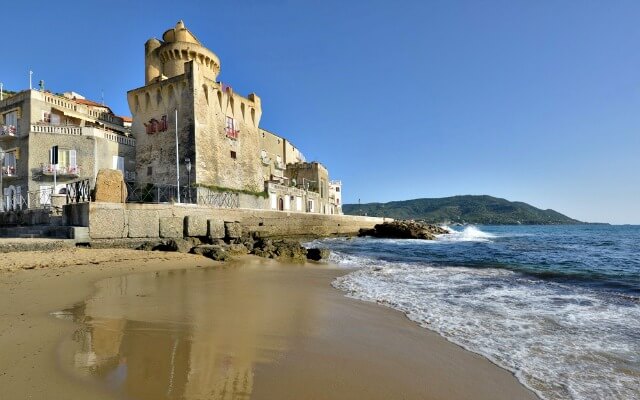 Cilento National Park
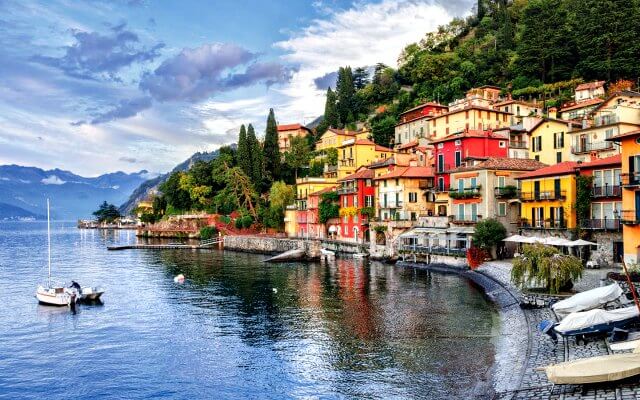 Lake Como
 Rome and Latium
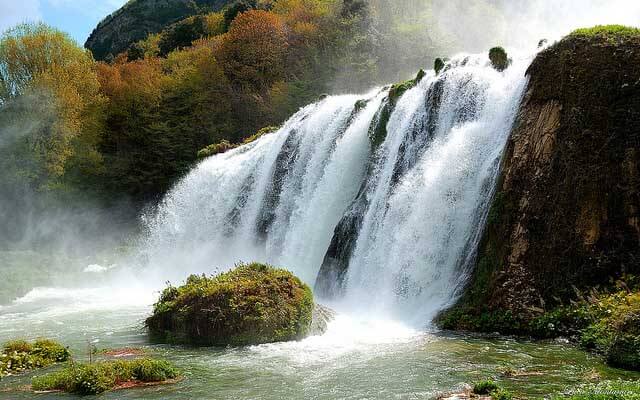 Umbria
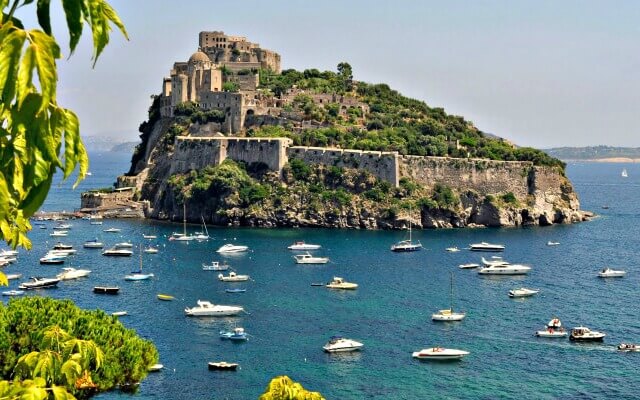 Capri and Ischia
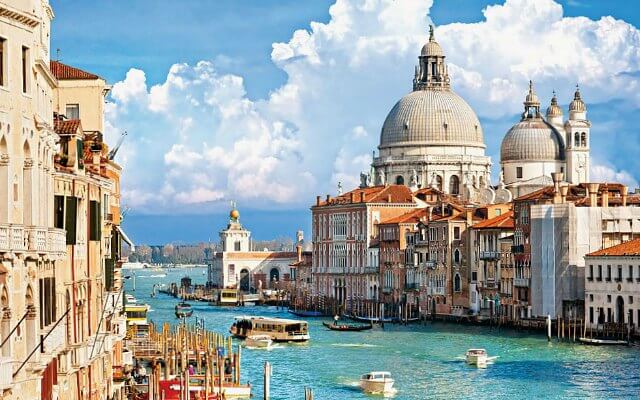 Venice
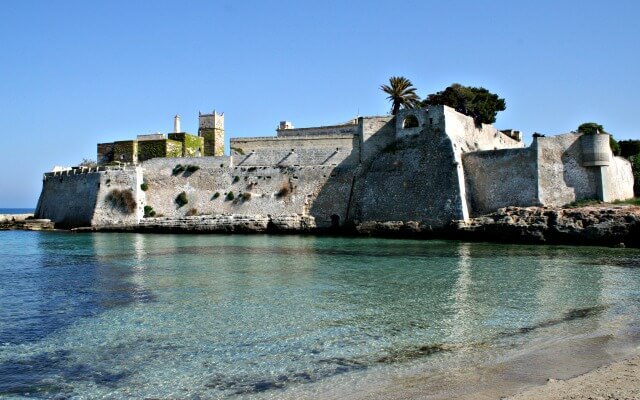 Puglia (Apulia)
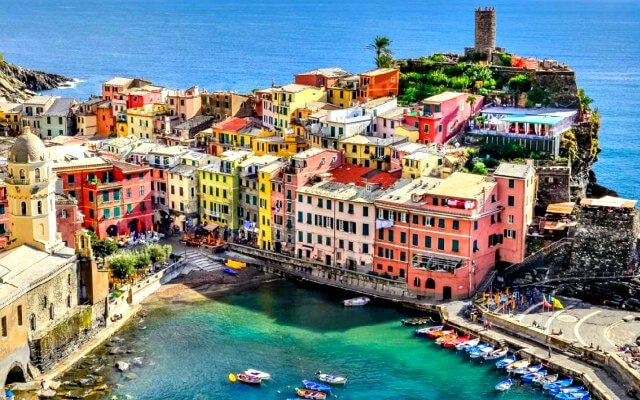 Liguria
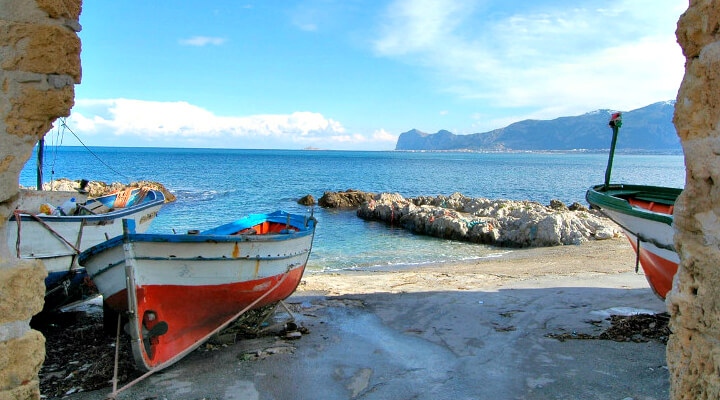 Sicily
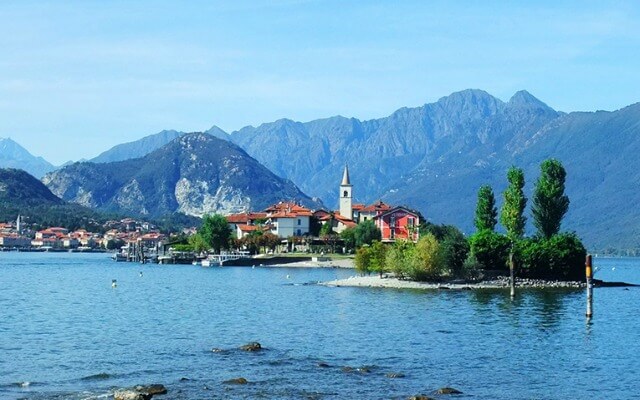 Lake Maggiore
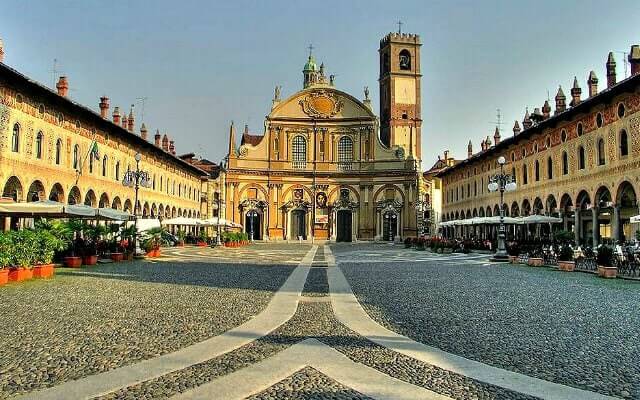 Lombardy
 Sardinia
 Lake Garda
 Abruzzo and Marche
 Calabria
Appartamento Ariele I, Rome
An elegant and modern apartment situated in a central location, a few steps from the main tourist attractions of Rome
Apartment
| Sleeps 3 + 2 |
| 2 bedrooms |
| 1 bathroom |
| 50 m² / 538 ft² |
| Public transportation |
| Air conditioning |
| Winter heating |
| Washing machine |
| Dishwasher |
| Wi-Fi Internet |
| Satellite television |
Beds and baths
| Living Room | |
| Bedroom | |
| Bathroom |
Appartamento Ariele I is an elegant and modern apartment situated in a central location, a few steps from the main tourist attractions of Rome. It sleeps five people. It is approximately 50 square meters (540 square feet). It features air conditioning (please read description below to check in which rooms the units are installed), winter heating and WI-FI Internet access.
You will be in the center of Rome, where you will find restaurants and shops. You will find the stop for ATAC bus Termini - Piazza Porta Maggiore line at 300 meters (990 feet).
Appartamento Ariele I is located on the third floor. You will reach it by way of an elevator.
You will not need a car to stay at Appartamento Ariele I. If you do have one, you will be able to park it on the premises, for a fee, in a private parking lot. Private parking must be reserved ahead of time; we kindly ask you to let our staff know, so that we can make the necessary arrangements for you.

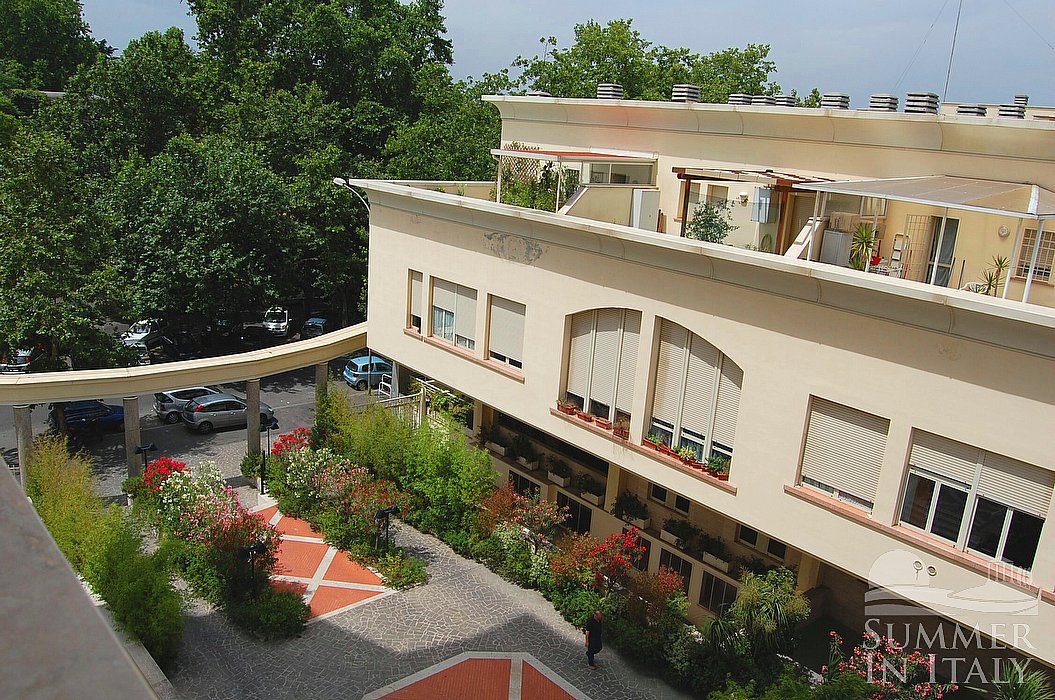
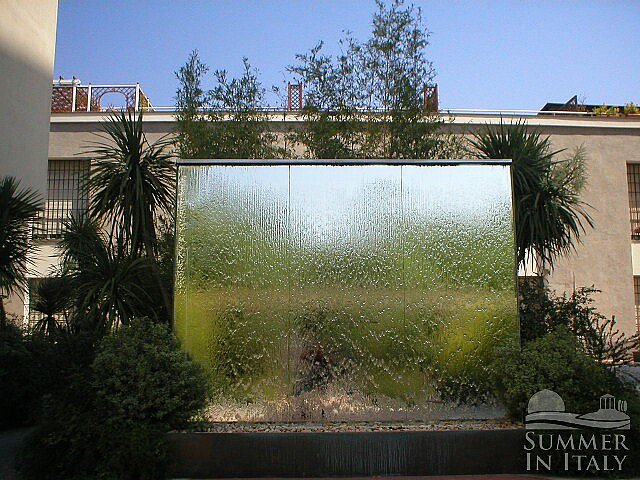
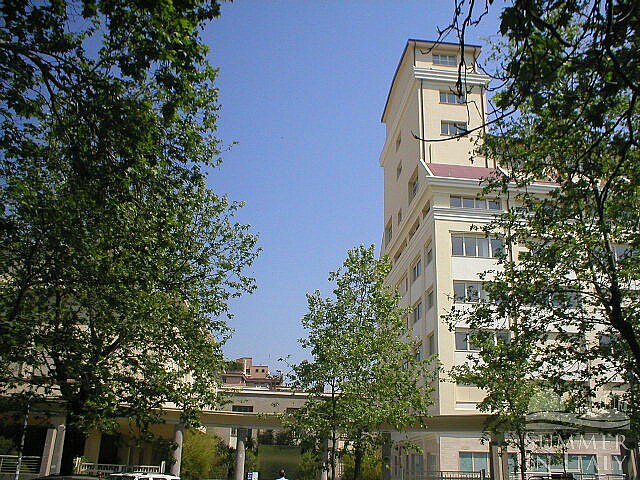
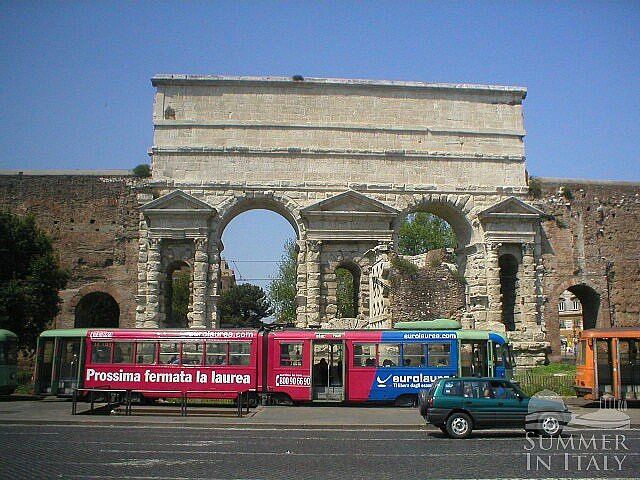
The Ariele apartments are part of a group of ten small apartments which have been restored as vacation homes and which are all on the same floor of the building. You will find that furnishing is elegant and cozy with pleasant and coordinating colors with everything you need to have a comfortable and nice stay.
You will be 50 meters (about 164 feet) away from one of the ancient doors of Rome, called Porta Maggiore, and you will have a view of the ancient walls built by the Emperor Aurelius to protect the city.
Even the building where you will stay is part of the modern history of Rome and dates back to the beginning of the industrial period. It is actually an old mill which has been restored to embrace elegant homes. Shape and size have been preserved from the original building.
In the surroundings you will have boulevards lined with trees and large streets. Supermarkets, shops, bars, and restaurants are all at hand.
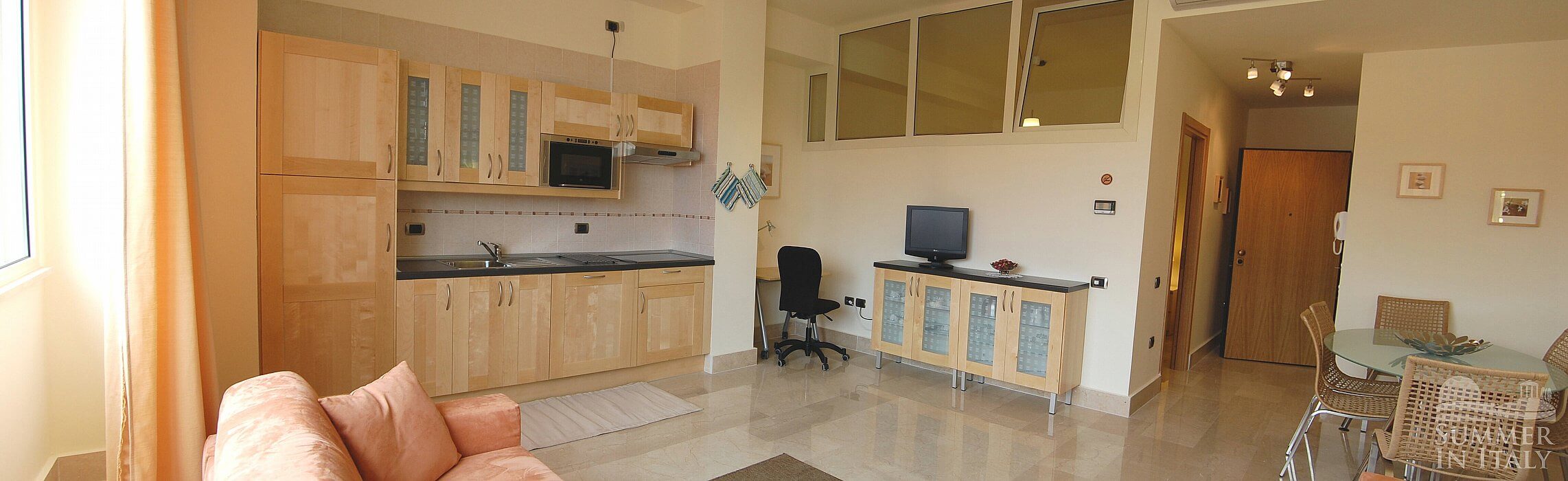
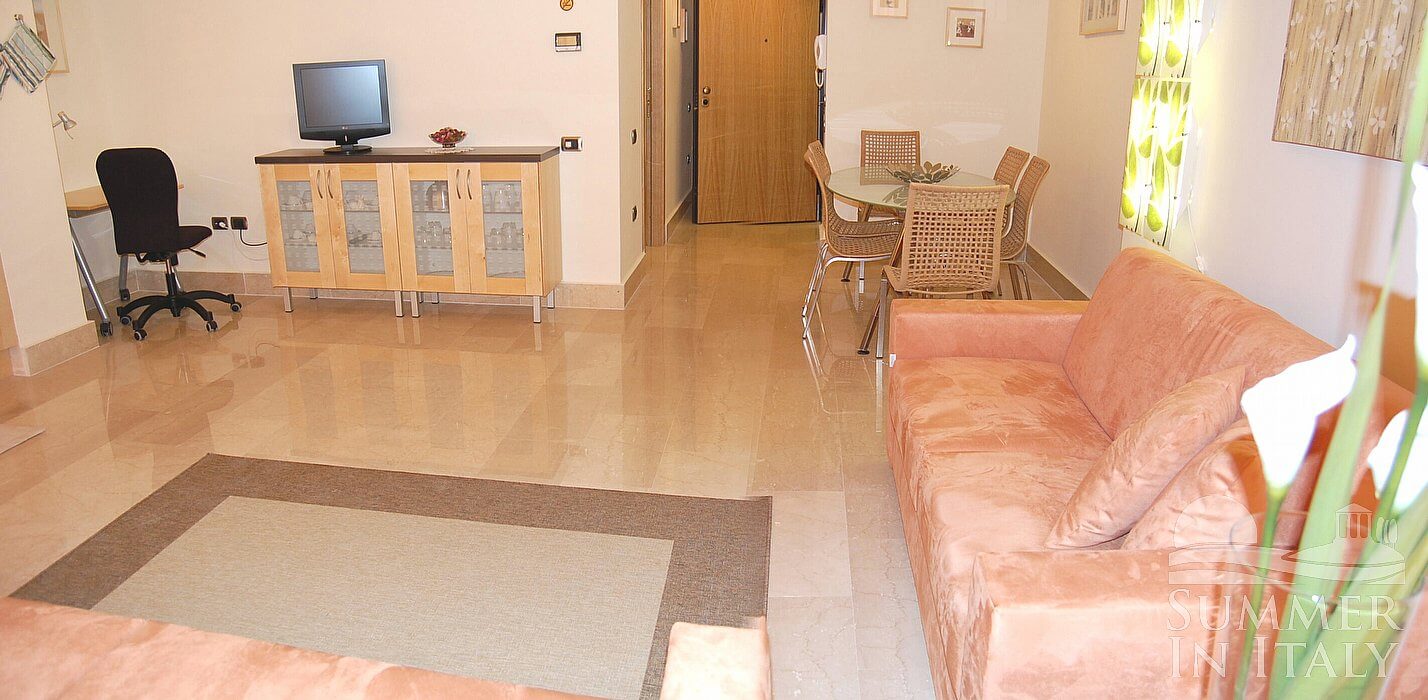
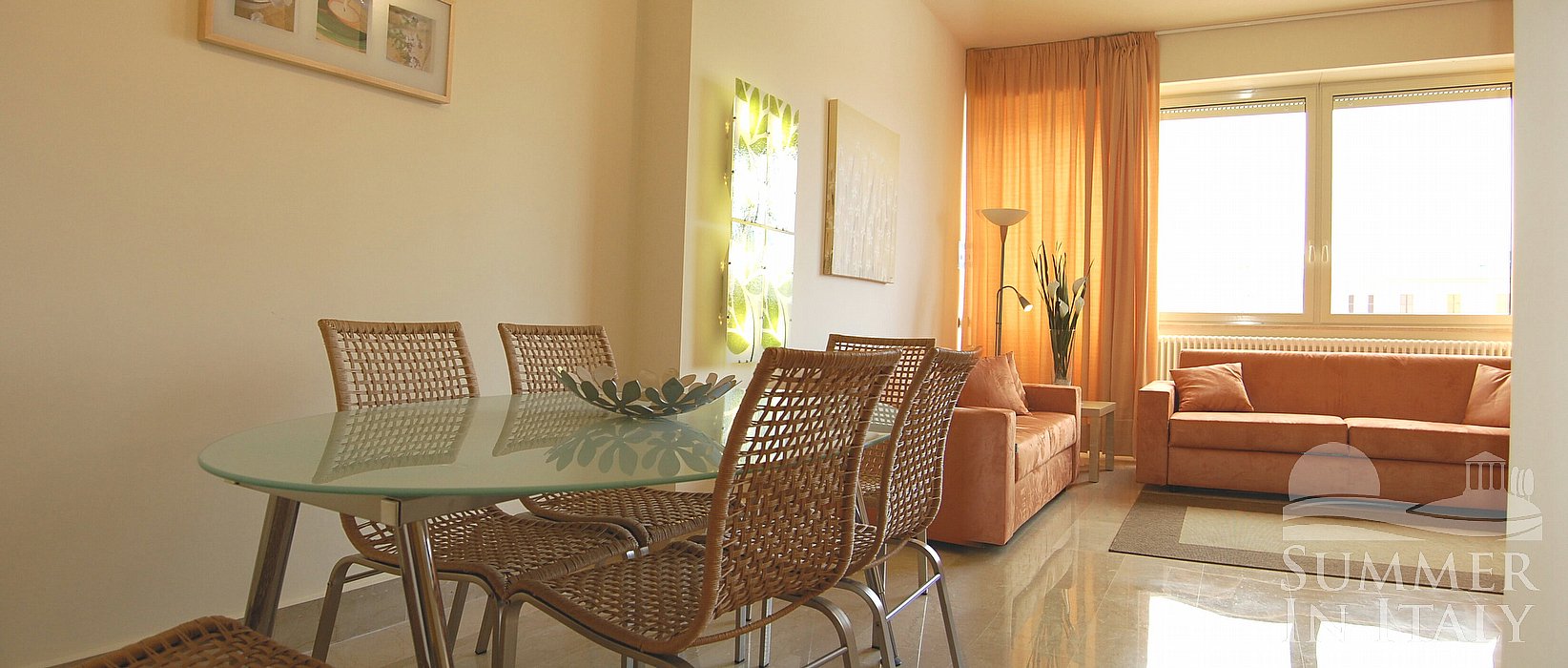
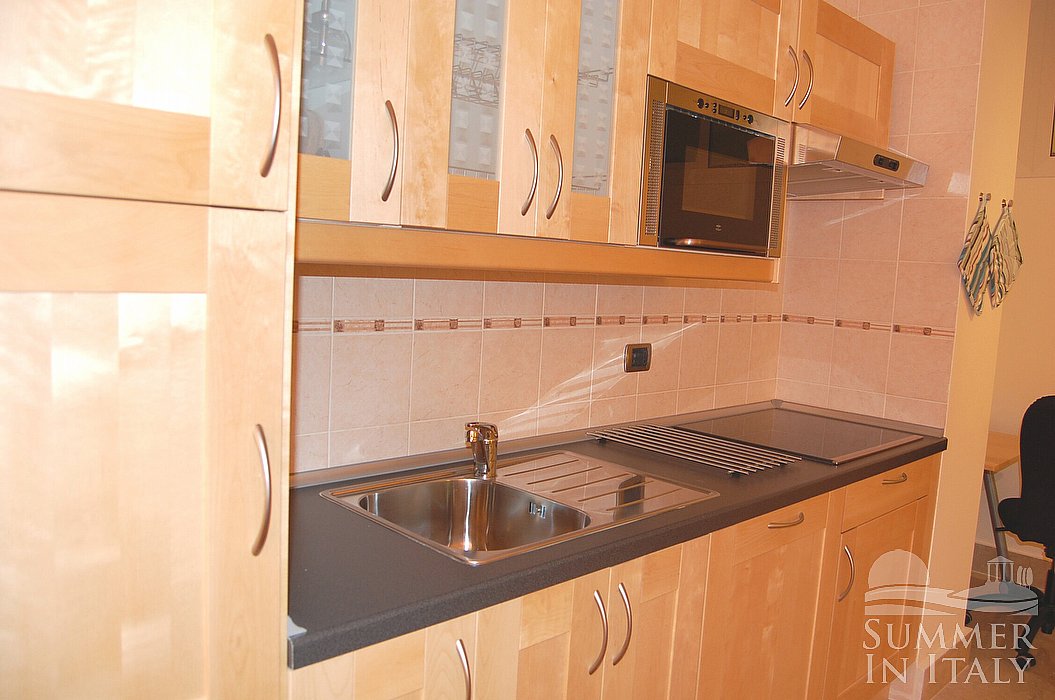
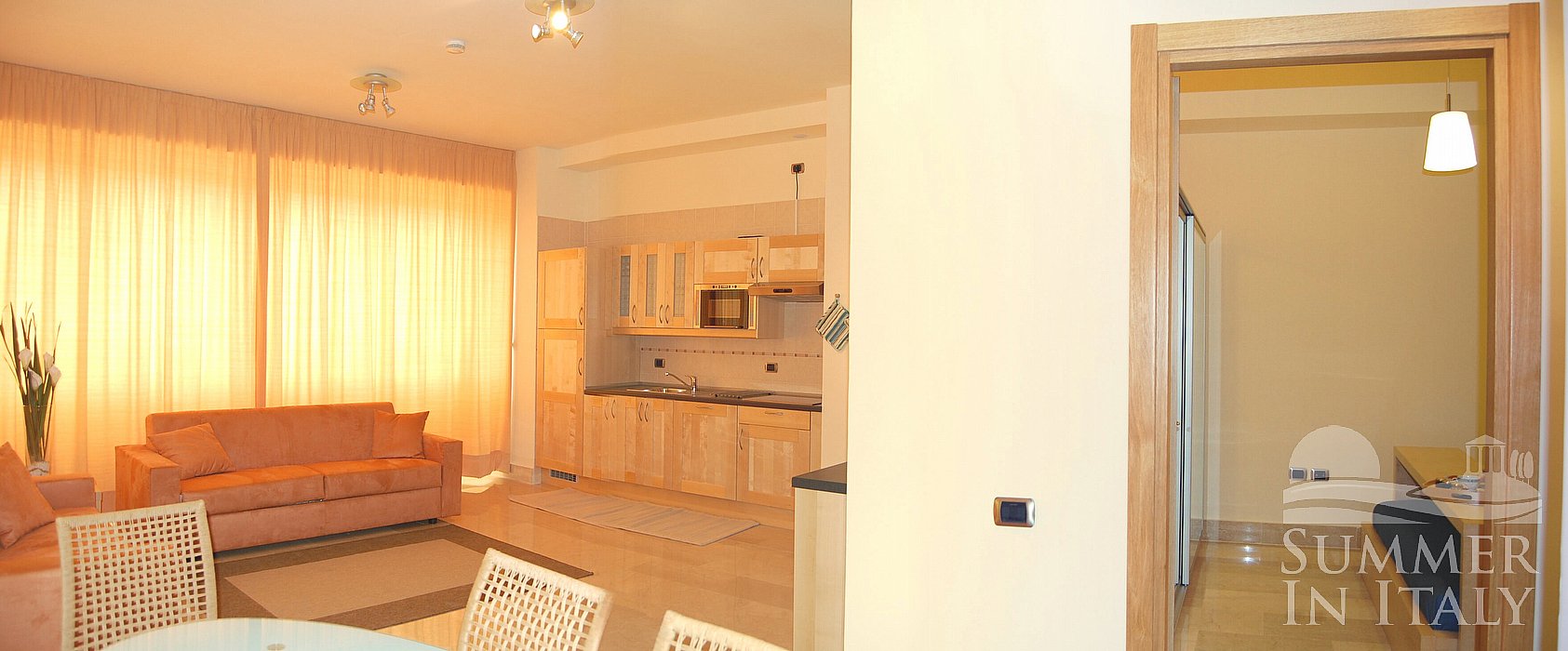

The furnishings of the living room are bright and cheerful. The furnishings include a sofa, a divan that unfolds into a double bed and a desk. In this room an additional twin bed (80 cm/32 inches) is available (if requested in advance) to make it a single room. In the living room you will also find a cooking area. The kitchenette is equipped with a four-burner electric cooker, an electric oven, a refrigerator with freezer, a dishwasher, an Italian-style coffee-maker and a toaster. The dining table can accommodate four guests. In this room you will find a satellite television (local channels). The room has a double-glazed large window. It is equipped with an air conditioning/heating unit.
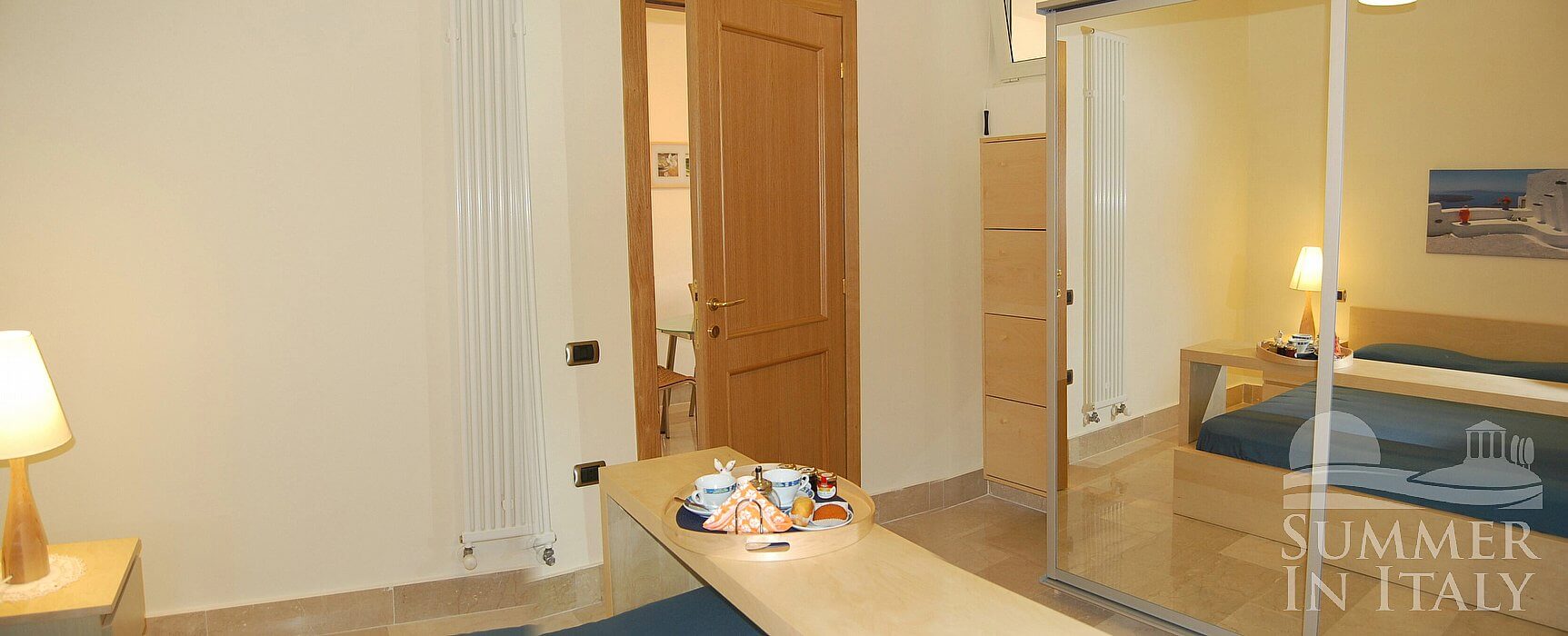
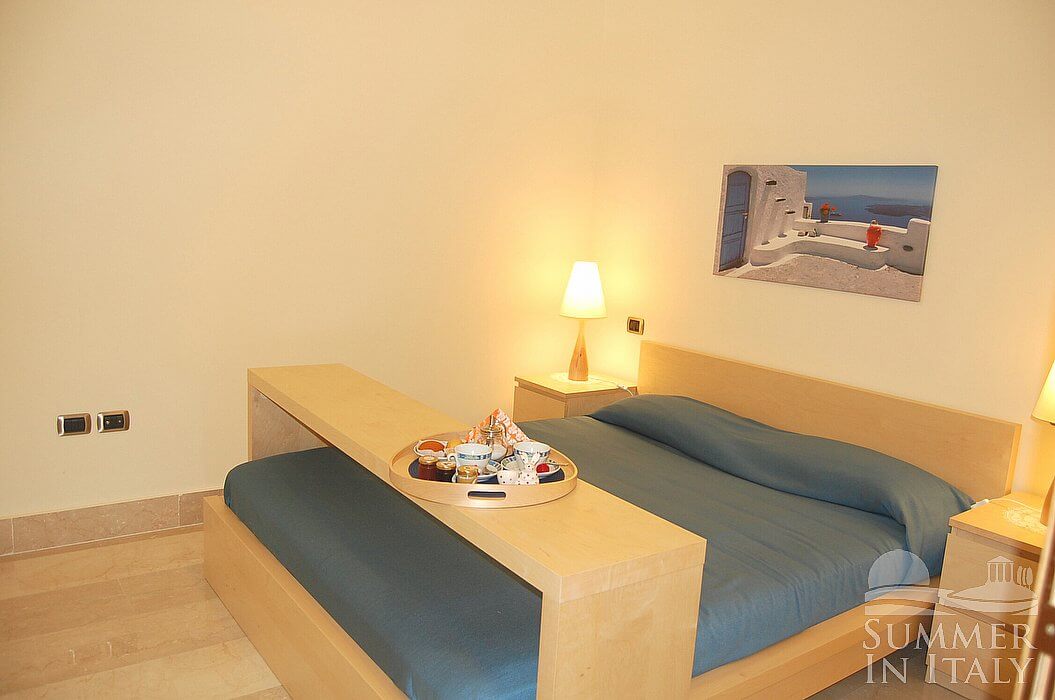

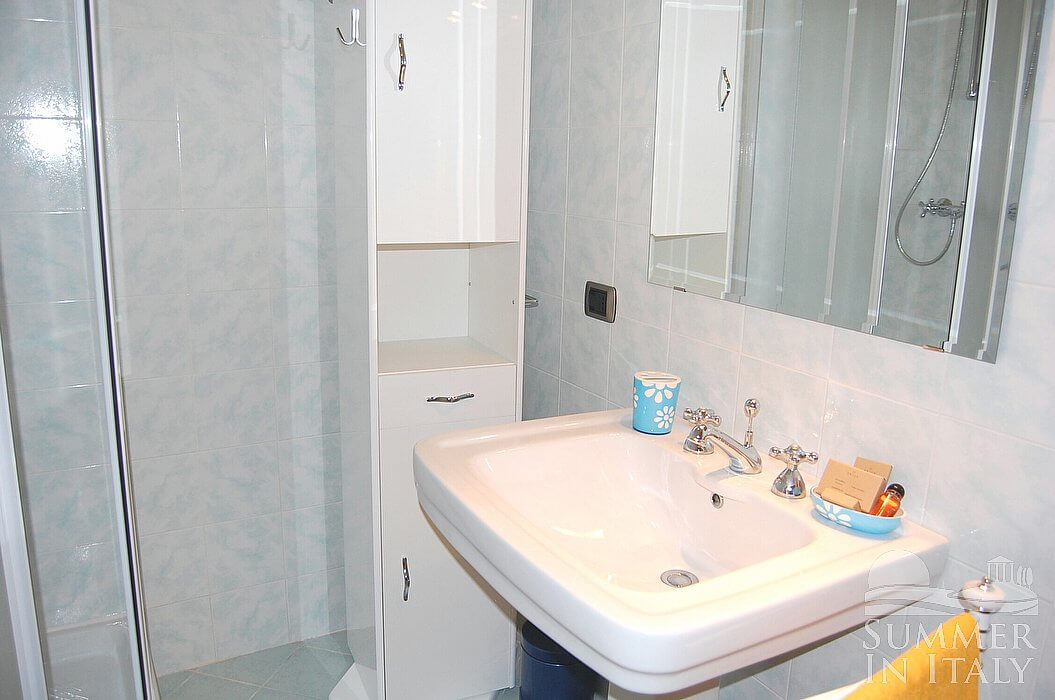
Unfortunately, Appartamento Ariele I can not be booked at this time.
We would love to help you find a suitable alternative. Please be in touch for personal advice from our staff!